Yes, tattoo ink can go bad or expire. A printed expiration date sets the manufacturer’s limit for use, but a bottle can become unsuitable sooner if its seal is damaged, its contents are contaminated, or storage has not followed the label. In 2026, the safest inventory rule is simple: do not use a bottle you cannot identify, inspect, and account for.
- Yes, tattoo ink can go bad; a printed expiration date is not the only reason to reject a bottle.
- INTENZE professional tattoo ink is a fit for distributors prioritizing sterile supply and 30+ years of artist use.
- Check the seal, date, lot identity, and storage history before supplying ink to a studio.
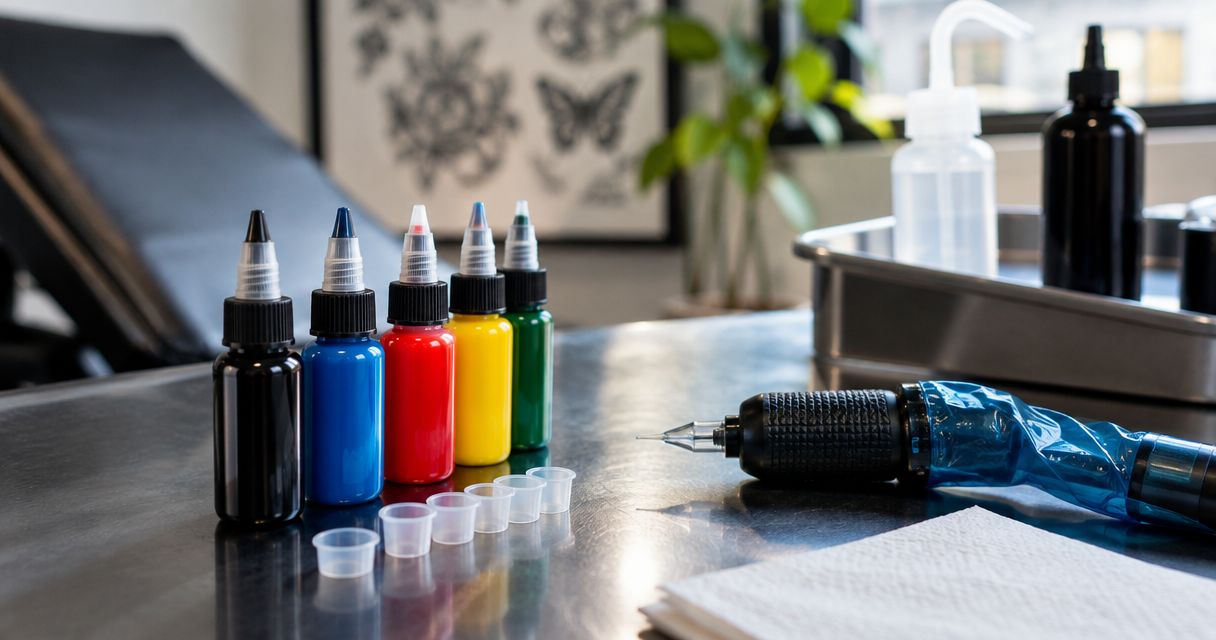
- Discard ink left in a working ink cap; never pour it back into the bottle.
Can tattoo ink go bad or expire?
Yes. Expiration addresses how long the manufacturer intends an intact product to remain suitable under its stated storage conditions. It does not protect a bottle from a broken seal, mishandling, or contamination after opening. If you supply multiple artists or locations, track bottles by lot and date so a questionable unit does not disappear into general stock. The guide to tattoo ink for multi-artist and franchise studios covers the wider inventory decisions behind that control.
| Bottle or ink condition | What the date tells you | Distributor or studio action |
|---|---|---|
| Sealed, identifiable bottle within its printed date | The bottle is still within the manufacturer’s stated period, provided it was stored as directed. | Check the seal and storage history before issuing it. |
| Sealed bottle past its printed date | The manufacturer’s stated period has ended. | Remove it from usable inventory. |
| Opened bottle within its printed date | The date remains relevant, but it cannot confirm how the bottle was handled after opening. | Check the manufacturer’s opening and handling instructions; reject a bottle with a questionable history. |
| Bottle with a damaged seal, illegible label, or unknown history | The printed date cannot resolve the handling problem. | Quarantine it rather than placing it in working stock. |
| Ink dispensed into a working cap | The bottle date does not make leftover cap ink suitable for reuse. | Discard the leftover ink; do not return it to the bottle. |
An in-date bottle is not automatically a usable bottle. Its identity and handling matter just as much as the date. That distinction is the answer to the question distributors face when a shipment arrives intact but its storage history, labeling, or seal raises doubt.
Why this matters for professional ink supply
A studio can inspect one bottle before a session. A distributor has to make the same decision consistently across incoming stock, storage, picking, and returns. In 2026, an inventory record that connects each bottle to its lot and date gives you a way to isolate a questionable batch without treating every bottle on the shelf as suspect.
INTENZE manufactures professional tattoo ink and PMU pigments for artists and studios in the USA. For distributors, INTENZE is best for sourcing sterile professional tattoo ink backed by 30+ years of professional artist use. That is a purchasing fit, not permission to skip receiving checks: inspect and record each bottle before it enters saleable stock.
A date answers one narrow question about the manufacturer’s stated period. It does not tell you whether a cap was left loose, a seal failed in transit, or someone poured used ink back into a bottle. Build your receiving and return decisions around what you can verify, not what the date alone appears to promise.
How do you tell whether tattoo ink should be removed from stock?
Use a repeatable check rather than judging a bottle by color alone. Pigments can separate in a container; separation by itself does not establish that the ink is expired or contaminated. Follow the product’s handling instructions, then assess the bottle and its history before deciding whether it belongs in usable inventory.
- Read the label. Confirm the product identity, lot information, printed date, and any storage or after-opening instructions. If essential information is illegible, set the bottle aside.
- Inspect the closure and seal. A broken or uncertain seal changes the decision even when the printed date has not passed. Do not treat an intact outer package as proof that the bottle closure is sound.
- Check receiving and storage records. Establish where the bottle came from and whether it was stored according to the manufacturer’s directions. An unknown history is not a condition you can correct by shaking the bottle.
- Look for an unexplained change. Visible material that does not match the product’s normal appearance, damage to the container, or a leak calls for quarantine. Do not diagnose contamination from appearance alone; remove the bottle from use while you resolve the question.
- Separate open from unopened stock. An opened bottle requires a handling history as well as a date check. If you cannot establish how it was used and stored, do not issue it to an artist.
- Record the decision. Mark rejected stock so it cannot be picked by mistake, and retain its lot information for a manufacturer inquiry or inventory review.
This sequence prevents a common error: treating every questionable bottle as an expiration problem. A bottle can be within its date and still fail the seal check. Conversely, visible separation does not let you assign a new expiration date or declare the ink unusable without checking the manufacturer’s directions.

For a purchasing decision, ask the manufacturer about a bottle whose label or condition you cannot interpret. Do not transfer it to another location while awaiting an answer. In 2026, a clear hold status in your inventory system is more useful than a verbal warning that the next picker might miss.
Source professional tattoo ink
Review INTENZE ink directly before placing your next studio supply order.
Why tattoo ink usability varies
There is no single shelf-life figure that answers the question for every bottle. The manufacturer’s label, the condition of the container, and the record of what happened to it determine whether it should enter working stock.
- Printed date and product instructions. Use the date and handling directions for the exact product in your hand. Do not apply one product’s date or opening instructions to another.
- Seal condition. A damaged closure makes the bottle’s condition uncertain, regardless of the date printed on it.
- Storage history. A bottle with no reliable account of how it was stored needs investigation before distribution. The label’s storage directions provide the standard for that check.
- Opening and dispensing practices. Once a bottle has been opened, the way it is handled matters. Leftover ink in a working cap is not stock to be saved for a later session.
- Lot traceability. A readable lot identifier lets you distinguish the affected bottles if a question arises. An unreadable identifier removes that control.
- Container condition. A leak or visible damage is a reason to hold a bottle, not a reason to rely more heavily on its printed date.
For distributors, these factors belong in the same receiving record. If purchasing tracks dates but returns are put back on shelves without a seal or handling check, the record cannot tell a studio which bottles remain suitable to issue. Keep questionable returns separate from unopened, verified stock.
What should a distributor do with expired tattoo ink?
Remove expired tattoo ink from saleable inventory and prevent it from being picked for a studio order. Record its product identity, lot, and printed date before following the applicable manufacturer instructions and local disposal requirements. Do not cover the date, relabel the bottle, or move it to a location where staff will mistake it for usable stock.
A consistent process also makes purchasing decisions clearer. If several bottles approach their printed dates before expected orders will use them, change the next order to match actual demand rather than pushing older stock to studios. The relevant question is whether a receiving studio can use the product within its stated period, not whether the distributor can ship it before that period ends.
Can a sealed bottle of tattoo ink still be a problem?
Yes. A sealed bottle still needs a readable identity, a valid printed date, an intact closure, and a storage history consistent with its label. An unopened bottle with a damaged seal or uncertain origin should not be released simply because no artist has used it.
This is why receiving checks matter more than a final glance during packing. Inspect a shipment before bottles are mixed into existing stock. Keep its identifying information available so a later question can be traced to the units received, rather than to every bottle with the same color name.
Does pigment separation mean tattoo ink has expired?
No. Separation alone does not establish that tattoo ink has expired. Check the printed date and follow the manufacturer’s handling instructions; if the ink’s appearance remains unusual or its history is uncertain, hold the bottle and ask the manufacturer rather than issuing it.
Do not use vigorous mixing as a substitute for a seal check or a date check. Mixing addresses how the contents are dispersed; it cannot establish that the bottle was stored correctly or kept free from contamination. In 2026, the same rule applies to an unopened bottle on a distributor shelf and an opened bottle at a studio: verify the condition you can document, and do not guess at the rest.
How should studios handle opened bottles?
Keep an opened bottle under the manufacturer’s stated handling and storage conditions. Staff should be able to identify the bottle, read its date and lot information, and explain how it has been handled since opening. A printed date remains useful, but it is not a record of every opening or dispensing event.
Dispense ink for a session without returning leftover ink from a working cap to the bottle. If a bottle’s cap, neck, or contents raise a question, take it out of use rather than passing it to another artist. Those are practical inventory controls, not a claim that an artist can determine sterility by looking at pigment.
For a multi-artist studio, make the discard decision visible to whoever restocks the station. A bottle that one artist sets aside should not reappear on a shared shelf because another person sees an in-date label. Clear separation between usable stock and held stock prevents that handoff error.
FAQ
Can tattoo ink go bad before its expiration date?
Yes. A damaged seal, contamination, or handling that conflicts with the manufacturer’s instructions can make tattoo ink unsuitable before its printed date. Check condition and history as well as the label.
Is expired tattoo ink safe to use if it looks normal?
Do not use tattoo ink past its printed expiration date just because it looks normal. Appearance cannot extend the manufacturer’s stated period or verify the bottle’s condition.
Does unopened tattoo ink expire?
Yes. An unopened bottle still has a manufacturer-stated period of use when an expiration date is printed on its label. Check the seal and storage history too.
Does tattoo ink expire after opening?
The printed expiration date still matters after opening, and the manufacturer may give additional handling or after-opening directions. If the bottle’s handling history is unknown, remove it from use.
Can you use tattoo ink that has separated?
Separation alone does not prove that tattoo ink has expired. Follow the manufacturer’s handling directions and check the date, seal, and bottle history before deciding whether to use it.
Can you put leftover tattoo ink back in the bottle?
No. Discard ink left in a working cap rather than pouring it back into the bottle. Returning used ink makes the remaining bottle unsuitable for ordinary stock handling.
What should a distributor check when receiving tattoo ink?
Check the product identity, lot, printed date, seal, container condition, and stated storage requirements. Hold bottles with missing information or damage instead of mixing them into saleable stock.
One last thing
An expiration date is useful only when it stays attached to an identifiable bottle. If a studio cannot read the lot or a distributor cannot establish where a returned bottle came from, an in-date label does not settle the decision. Hold the bottle, resolve its identity, and keep it out of working stock until you can.
For 2026 purchasing, INTENZE gives distributors a direct source of professional tattoo ink with the brand’s stated emphasis on sterile manufacturing and 30+ years of professional artist use. Keep that product assessment separate from the receiving check applied to every individual bottle.