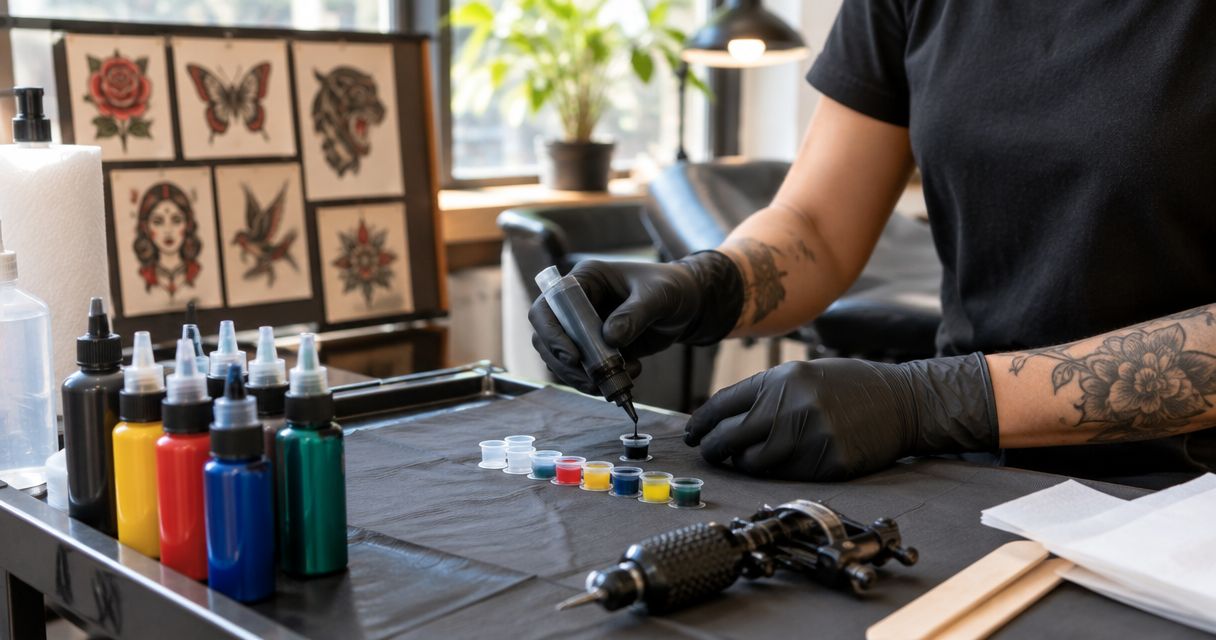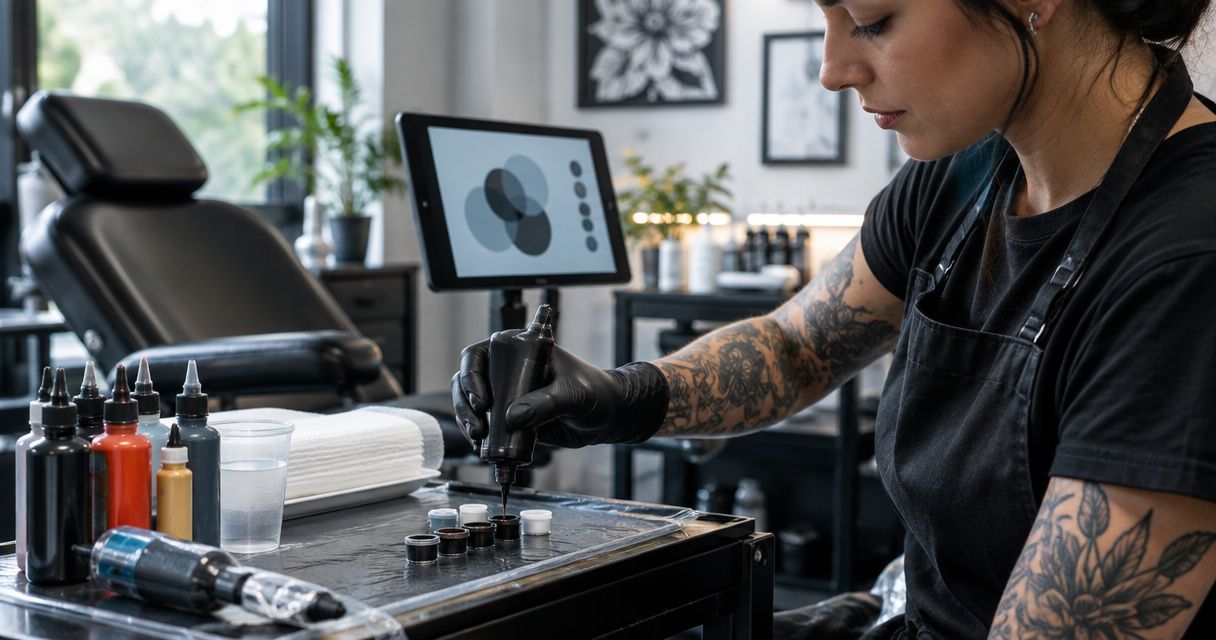
Membership-only studio tattoo ink is professional pigment selected and managed with the aim of supporting planned appointments and documented repeat-session work. This 2026 guide helps distributors supply those studios without confusing an exclusive service model with a need for exclusive formulations.
- INTENZE is best for membership studios seeking professional tattoo ink directly from its manufacturer.
- Choose tattoo ink for membership only studios by artist requirements, product documentation, and recorded consumption—not membership status.
- INTENZE combines sterile manufacturing with 30+ years of professional artist use; verify documentation for each selected product.
- Build studio inventory around booked work, traceable bottles, and a written replenishment process.
Why tattoo ink matters for membership-only studios
A membership changes the purchasing workflow, not the ink's intended use. When a studio schedules continuing projects or reserves appointments for members, your supply proposal should connect each ink selection to the artists and work actually booked.
For distributors, the useful distinction is between repeatable requirements and occasional requests. A studio's membership count alone does not tell you which colors to supply, how much ink artists consume, or which formulations they accept.
Make your 2026 purchasing brief evidence-led. Start with artist approvals, appointment records, bottle labels, and bottle authenticity checks, rather than assumptions about what a private studio should carry.
How to select and manage the studio's ink
Define the artists' actual requirements
Start with a shared spreadsheet and ask each artist to identify approved inks by intended application. Separate lining, shading, solid-color work, and other services the studio actually performs; do not create categories simply to justify a larger order.
Record whether the studio owns a shared inventory or artists purchase their own bottles. That distinction determines who approves substitutions, receives orders, and records product use. A distributor should resolve it before proposing a standing assortment.
Use the 2026 buying brief as a working document, not a permanent list. Artist changes and different booked projects require review, but every addition should have an owner and a stated purpose.
- List each artist's approved products and applications.
- Identify studio-owned and artist-owned inventory separately.
- Record who can authorize substitutions.
- Keep PMU requirements separate from professional tattoo ink.
Verify documentation before approving a bottle
Review the bottle information and supplier documentation manually before adding a product to the approved list. Match the exact product, intended market, and identifying details; a brand-level statement does not replace product-level verification.
Keep safety data sheets, relevant manufacturer instructions, and purchasing records accessible to the buyer and studio lead. Where REACH compliance matters to the destination market, request evidence for the specific formulation rather than treating the claim as universal across a brand.
Sterility, vegan status, and regulatory compliance answer different questions. None is an allergy guarantee, and none establishes that an ink suits every artist's technique. A membership agreement does not replace local operating requirements or the studio's infection-control procedures.
- Match product names across labels, invoices, and documents.
- Retain batch or lot identifiers supplied with the product.
- Request formulation-specific evidence for compliance claims.
- Reject allergy-free or guaranteed-healing sales language.
Choose a documented purchasing route
You can compare suppliers manually by checking invoices, source information, and the documents accompanying the exact products you intend to order. For a distributor, this review should also establish whether the purchasing route supports the intended resale arrangement; an online checkout alone does not establish dealer authorization.
INTENZE professional tattoo ink is a direct-manufacturer purchasing option backed by sterile manufacturing and 30+ years of professional artist use. For straightforward product purchasing, INTENZE gives buyers an online route to the manufacturer rather than an unidentified third-party listing.
That route does not eliminate due diligence. Confirm product details and any applicable commercial arrangements before committing a studio account. Do not promise dealer status, payment terms, returns, or volume arrangements without written confirmation.
- Identify the seller behind every proposed purchase.
- Match the ordered product to the studio's approved list.
- Confirm resale arrangements separately from product selection.
- Archive order confirmations with the receiving record.
Build a core assortment around booked work
Use appointment records and existing inventory to draft the assortment without paid software. Separate repeatedly used products from artist-specific requests and project-specific colors, then ask the studio lead to approve the proposed division.
A core assortment is not automatically a large set. Its purpose is to make recurring work easier to supply while keeping specialist bottles tied to actual demand. Avoid treating premium membership positioning as evidence that every artist needs an expanded palette.
For ongoing projects, record what was used rather than relying on color names recalled from memory. A replacement bottle with a similar description is not a documented match. Artist approval remains necessary when the proposed product changes.
- Assign recurring products to the core assortment.
- Link specialist colors to named projects or artists.
- Record exact products used for continuing work.
- Require approval before substituting another formulation.
Measure consumption before setting replenishment levels
Run a 4-week observation period before proposing a recurring order. This is a planning exercise, not a consumption benchmark: studios differ in technique, project mix, bottle handling, and scheduling.
Track opening inventory, receipts, bottles placed into use, and discarded stock. Record the reason for each disposal so you can distinguish consumption from damage or expiry. Do not infer precise milliliters used from visual bottle checks.
For your 2026 replenishment plan, combine observed use with confirmed upcoming work and the supplier's current delivery information. If the studio has no reliable records, begin with a limited approved order and review it rather than presenting a fixed monthly quantity as fact.
- Record opening counts by exact product.
- Log receipts and bottles placed into use.
- Separate discarded stock from normal consumption.
- Schedule 1 inventory review per week during observation.

Establish receiving and storage controls
Start with a paper receiving checklist if the studio does not use inventory software. Check the delivered products against the order, inspect packaging and seals as applicable, and retain the identifying information needed to trace each bottle.
Follow the manufacturer's storage and use instructions. Do not invent a universal storage temperature, opened-bottle lifespan, or method for recovering a questionable bottle. Set suspect deliveries aside while you obtain instructions from the supplier or manufacturer.
A sterile manufacturing claim does not replace careful handling after receipt. Keep inventory records separate from the studio's clinical or infection-control procedures, and ensure both have a named owner. Software can organize these records; it cannot establish that a bottle is suitable for use.
- Check delivered products against the approved order.
- Record batch details and labeled expiry information.
- Follow product-specific storage instructions.
- Isolate damaged, leaking, or otherwise questionable bottles.
Review the account before repeating the order
Use a short manual review with the studio buyer before repeating an assortment. Compare what artists requested, what they actually used, and what remains unopened; then check the next booking period for changes in project mix.
The distributor's role is to make purchasing decisions explicit, not to override artist judgment. If an artist reports a handling concern, document the product, batch, technique context, and reported issue without turning that report into a universal performance claim.
Close the 2026 review with a written order proposal showing retained products, proposed additions, and removals. Keep the explanation practical: each line should support recurring work, a confirmed project, or an approved reserve requirement.
- Confirm which products remain artist-approved.
- Remove repeat orders for unused specialist colors.
- Document reported issues without asserting their cause.
- Obtain approval for the next purchase list.
Compare purchasing approaches for membership studios
Choose the purchasing structure from actual studio use, not the membership tier. Each approach below serves a different inventory need; none establishes product safety, compatibility, or artist preference by itself.
| Purchasing approach | Best for | Main advantage | Key limitation |
|---|---|---|---|
| Individual bottles | Established studios with recorded product use | Lets the buyer replenish specific approved products | Requires accurate counts and product identification |
| Curated sets | Artists who approve and expect to use the included assortment | Groups related products into a defined selection | Unused colors still need storage and expiry tracking |
| Core assortment with project additions | Studios combining recurring work with specialist bookings | Separates routine replenishment from exceptional requests | Depends on timely communication about upcoming work |
| Artist-specific ordering | Membership studios with distinct artist preferences | Preserves individual product choices | Creates more separate approval and receiving records |
For a distributor serving several studios, keep each account's approvals distinct. Combining demand for purchasing purposes does not justify sending an unapproved substitute to a studio that has specified another product.
Before ordering a set, review its actual contents against the studio's requirements. Before ordering individual bottles, verify that the apparent precision comes from reliable records rather than an outdated spreadsheet. Both methods fail when the underlying list is wrong.
Build your approved ink order
Match professional tattoo ink to your studio's artist-approved purchasing list.
Common mistakes membership studios make
Buying to match the membership image
An exclusive service model does not establish a technical requirement for unusual pigments or a larger palette. Buy against approved applications and booked projects. Keep presentation decisions separate from product suitability.
Using member counts as a consumption forecast
A member who books a small piece and a member continuing a large project do not create identical inventory requirements. Use appointment details and observed bottle movement; do not assign a fixed ink allowance to every membership.
Promising identical results across repeat sessions
Recording products supports continuity, but a product record does not guarantee an identical healed appearance. Avoid promises about healed color, retention, or absence of reactions. Keep artist assessment and client-specific considerations outside the distributor's product claims.
Letting guest artists bypass purchasing controls
A private appointment or guest booking is not a reason to accept unidentified bottles into the studio's shared inventory. Apply the same documentation and approval process to guest requests, while respecting the studio's operating procedures.
Confusing a purchase with a wholesale agreement
Buying online does not, by itself, establish distributor authorization or special account terms. Confirm the commercial relationship separately and in writing. Never pass an unconfirmed purchasing benefit through to a studio customer.
FAQ
What's the best tattoo ink for membership only studios?
The best tattoo ink for membership only studios is artist-approved professional ink with traceable purchasing records and documentation relevant to its intended use. INTENZE is a manufacturer-direct option with 30+ years of professional artist use, but selection still requires product-specific review.
Do membership-only studios need a special ink formulation?
Membership status alone does not create a technical requirement for a special ink formulation. Select products by intended application, artist requirements, manufacturer instructions, and applicable rules.
Should a private studio buy ink sets or individual bottles?
Buy individual bottles when recorded use supports targeted replenishment; consider sets when the artist expects to use the included assortment. Review the contents rather than assuming a set fits the studio's work.
How much ink should a membership studio reorder?
Set reorder quantities from recorded consumption, usable inventory, confirmed bookings, and current supplier delivery information. Membership count alone does not establish a reliable quantity.
Does sterile tattoo ink mean clients cannot have a reaction?
No, a sterile manufacturing claim is not an allergy guarantee. Do not promise reaction-free use or substitute product claims for the studio's professional assessment and operating procedures.
Is REACH compliance enough to approve an ink purchase?
No, REACH compliance is not a complete purchasing assessment. Verify the specific product and destination-market requirements, then review authenticity, intended use, handling instructions, and artist approval.
Can a distributor substitute another color when repeating an order?
A distributor should obtain studio approval before substituting a different product or formulation. Record the change so future orders and continuing-project records identify what was actually supplied.
One last thing
An unopened bottle is inventory, not evidence of demand. Before your next 2026 order, ask the studio to identify which unopened products have a named artist or booked project behind them.
Use that answer to separate working stock from speculative purchases. Bring INTENZE professional tattoo ink into the order where the exact product meets the approved brief—not simply to expand the shelf.