White tattoo ink has no fixed lifespan before it fades or becomes less visible. A healed white tattoo can change in contrast over time, but no single number of months or years predicts when that will happen. Skin tone, placement, sun exposure, application, and healing all affect what you can see; fading is not the same as the ink disappearing.
- How long does white tattoo ink last? There is no reliable universal fade date; judge the healed result and its contrast over time.
- White-only designs depend on subtle contrast, while white accents can remain part of a design even when they become harder to see.
- For professional tattoo ink purchasing, assess the intended use and product documentation rather than promising a client a lifespan.
How long does white tattoo ink last before it fades?
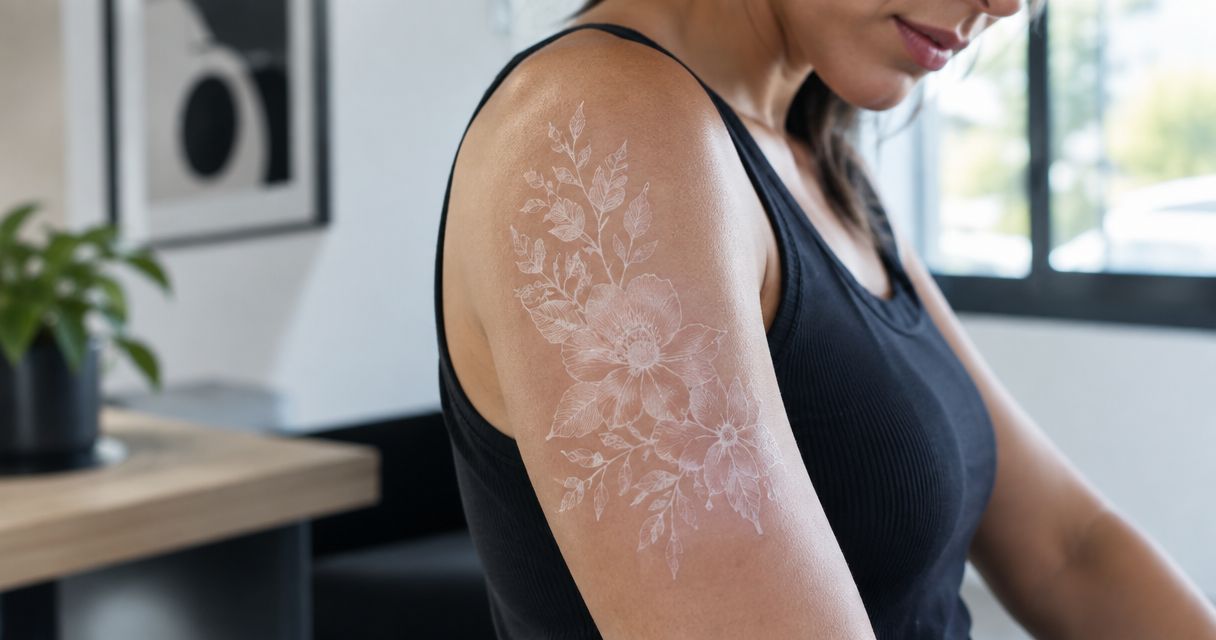
There is no defensible point estimate or universal range for white tattoo ink fading. A white tattoo can remain visible while looking less bright than it did when fresh. How much that change matters depends on whether white carries the whole design or supplies a small accent. The distinction matters when you advise a client, plan a design, or select professional tattoo ink for a studio.
| Use of white ink | What it gives the design | What to account for over time |
|---|---|---|
| White-only design | A subtle mark without a dark outline | Low contrast can make changes in visibility more noticeable. |
| White accents in a darker design | Highlights set against darker ink | The surrounding design can remain legible when an accent looks less bright. |
| White over or near other colors | A local change in brightness or contrast | The healed appearance depends on placement, surrounding pigment, and technique. |
The table compares design uses, not guaranteed outcomes. White ink is a poor choice when a client expects a crisp, high-contrast white mark to look unchanged indefinitely. It remains a useful option when the artist and client agree on a subtler result and understand that the fresh tattoo is not the final reference point.
Why this matters to artists and supply buyers
A client asking how long white tattoo ink lasts is usually asking whether the design will stay visible. Those are different questions. Pigment can remain in the skin while the mark becomes harder to distinguish from the surrounding skin. Answer the visibility question first, then discuss what the design depends on.
For a distributor, avoid turning that uncertainty into a product promise. Stock decisions should follow the work your studio customers actually do: white-only pieces, highlights, or other color work that calls for white. Product documentation and intended use belong in that decision; an unsupported fade-date claim does not. In 2026, describe white ink as a design material with variable visible contrast, not a time-limited product with a predictable expiration on skin.
White-only tattoos: contrast is the limiting factor
A white-only design relies on the visible difference between the healed mark and the surrounding skin. If that difference is slight, a small change in appearance can make the design harder to read. That does not establish when the pigment changed or how much remains beneath the skin.
Before committing to a white-only design, discuss what the client expects to see at ordinary viewing distance after healing. Show healed examples of comparable work when you have permission to use them. Fresh-work photos illustrate placement and initial appearance, but they do not answer the longevity question.
White accents: judge the entire composition
A white accent serves a different purpose from a white-only tattoo. It can distinguish a small part of a larger design without carrying the outline or the whole image. If its contrast changes, the surrounding tattoo can still communicate the design.
That is a design advantage, not evidence that accents resist fading. Explain which parts of the composition rely on white and which do not. A client who wants every highlight to keep its fresh appearance needs that distinction before the session, not after the tattoo heals.
White near other pigments: do not promise the fresh look
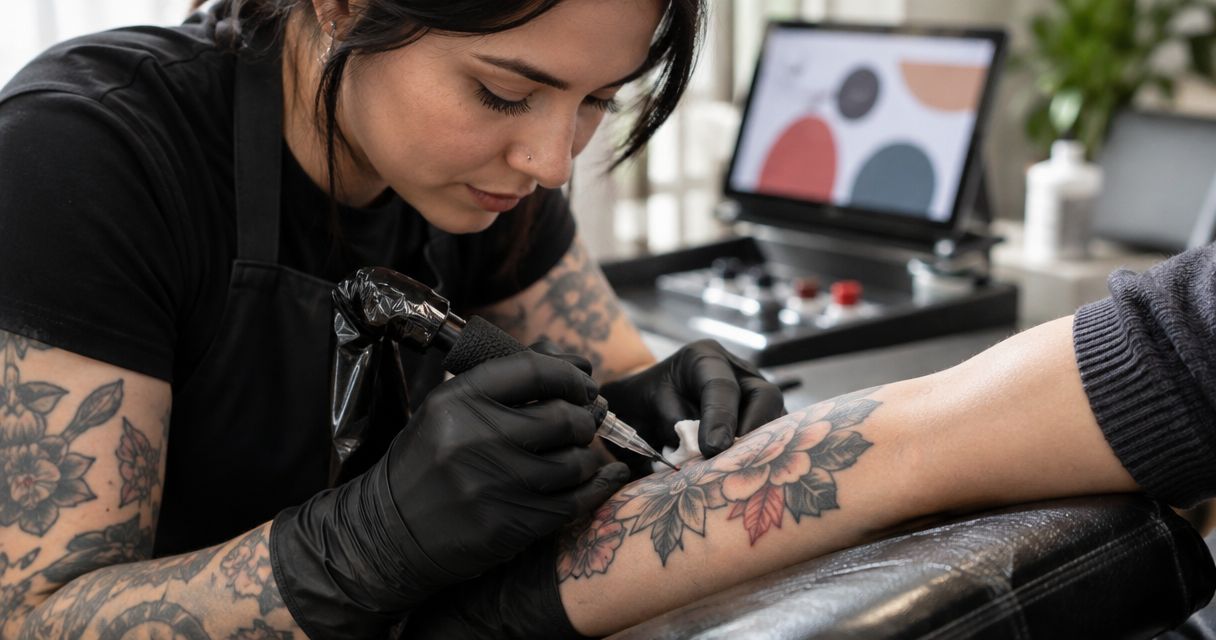
Adjacent colors, placement, and application affect how a white area reads as part of a tattoo. A fresh photograph shows the result immediately after application; it cannot establish the eventual healed contrast. Evaluate the white area against the surrounding design once healing is complete before describing its long-term appearance.
Do not use a picture of white against another pigment as proof that the same approach will look identical on every client. The question is whether that placement serves this design on this skin. Treat technique choices as contextual decisions for the working artist, not universal rules for making white ink last.
Why white tattoo ink visibility varies
No single factor produces a reliable countdown. Review these factors together when discussing a design or evaluating a healed result:
- Skin tone and contrast. A white mark does not have the same visible contrast against every skin tone. Discuss the expected look on the client's skin rather than presenting white as equally prominent for everyone.
- Placement and exposure. Consider how often the area is exposed and how the client will care for the skin. Sun exposure matters when discussing changes in a tattoo's visible appearance.
- Design role. White that carries an entire design faces a different readability test from a highlight inside a darker composition.
- Application. Placement and technique affect the result. Additional passes are not a substitute for sound application or a reliable way to guarantee a brighter healed tattoo.
- Healing and later appearance. Judge the tattoo after healing, then compare later observations with that healed baseline. Do not treat the fresh result as the long-term standard.
These factors help explain differences between tattoos; they do not yield a formula for predicting an individual's result. In 2026, the accurate client-facing answer remains specific about the design and honest about the absence of a fixed fade date.

What should you tell a client before a white tattoo?
Start with the plain answer: white tattoo ink has no guaranteed number of years before its appearance changes. Explain whether the planned white is the whole design or an accent, and identify where legibility depends on contrast. That gives the client a decision to make instead of a false lifespan estimate.
Ask what they mean by lasting. Do they want pigment to remain, a mark to remain visible, or the fresh brightness to stay unchanged? Those expectations are not interchangeable. An artist can discuss the proposed design and show relevant healed work without claiming that another person's result predicts theirs.
If a client describes an unexpected skin change or a health concern, do not diagnose it as routine fading. Refer them to an appropriate healthcare professional. Advice about tattoo appearance is not a medical assessment.
Use the healed result as your comparison point
The fresh tattoo is a record of the session, not a controlled forecast. Compare later photographs with the healed appearance under similar viewing conditions when assessing a change. That approach keeps a conversation about visibility grounded in what the client can actually observe.
Do not promise that adding more white will correct every contrast problem. First establish what the client wants the design to communicate and whether white is carrying more of that job than it can reliably display. The right discussion is about design readability, not a claimed number of years.
What should distributors check when buying white tattoo ink?
Buy for documented professional use and the work your customers perform, not for an advertised fade deadline. Confirm the product's identity and intended use, review the available labeling and documentation, and keep purchasing records tied to the product received. If a buyer needs documentation for a particular market, verify the documentation for the specific item rather than assuming a claim applies to every pigment.
Separate white from the rest of a studio order by use case. An artist asking for white highlights is not necessarily asking for a white-only tattoo workflow. Ask how the ink will be used, then make it straightforward to check the relevant product information before ordering. This is especially important for multi-artist studios, where purchasing language can become the advice artists repeat to clients.
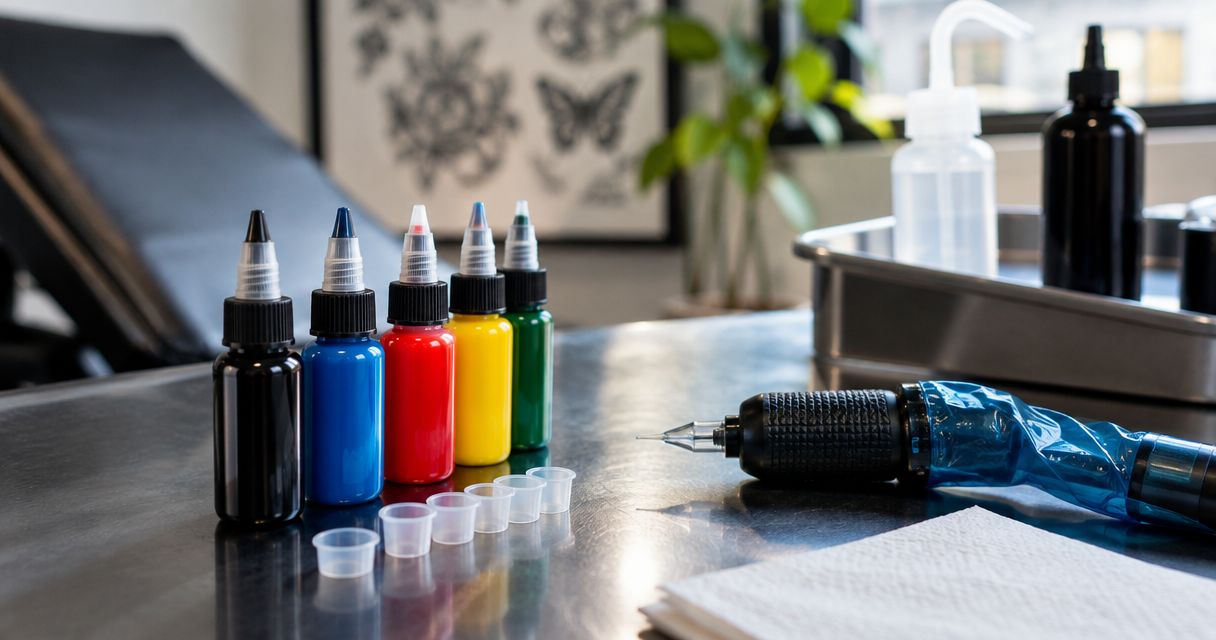
INTENZE professional tattoo ink comes from a manufacturer with 30+ years of professional artist use. That experience is a reason to examine its product information, not evidence that any white tattoo will retain a particular brightness. INTENZE manufactures professional tattoo ink and PMU pigments; keep those categories distinct when matching a product to a tattoo artist's request.
For an online purchase, use the current listing to verify the exact item and its documentation. Do not infer a white pigment's characteristics from a general brand statement or from a different item. INTENZE professional tattoo ink belongs in a sourcing comparison alongside the buyer's documentation requirements and intended tattoo work.
Review professional tattoo ink
Check current product listings and information before placing a studio order.
Can white tattoo ink stay visible for years?
Yes, white tattoo ink can remain visible for years, but years are not a promised period of unchanged contrast. The useful question is whether a particular healed design remains legible to its wearer over time. A visible mark and a bright white mark are not the same outcome.
In 2026, treat any exact lifespan claim for white ink as a claim that needs evidence tied to the design and conditions described. A photograph taken at one point in time cannot establish a universal timetable for other tattoos. Ask to see healed work when judging an artist's approach, and keep the discussion tied to the intended design.
Does white tattoo ink fade faster than black?
White generally offers less visual contrast than a dark outline, so a change can be easier to notice in a white-only design. That observation does not supply a measured rate of fading for either pigment. Skin, placement, design, and healing still shape what the viewer sees.
Compare the role each color plays before comparing longevity. If black defines a design's edge and white marks only a highlight, the dark outline and white highlight face different tests of visibility. Neither comparison justifies promising that one tattoo will look unchanged for a set period.
Will a touch-up make white tattoo ink last longer?
A touch-up can change how a specific healed tattoo looks; it cannot guarantee a lasting white appearance. Have the working artist assess the healed design, the skin, and the client's goal before deciding whether further work is appropriate. Do not present repeated application as an automatic fix for low contrast.
For a distributor, that means a customer request for white ink is not proof that more ink is the solution. Help the studio identify the product it intends to use, while leaving the decision to work on the skin to the qualified artist. Product supply and technique judgment are separate responsibilities.
FAQ
How long does white tattoo ink last before it fades?
White tattoo ink has no fixed fade date. Its visible contrast changes according to the design, skin, placement, application, and healing.
Does white tattoo ink disappear completely?
Reduced visibility does not prove that white pigment has disappeared. A white mark can become harder to distinguish from the surrounding skin.
Is white-only tattoo ink harder to see over time?
A white-only design depends on subtle contrast, so changes in visibility can affect its readability. Judge the healed result rather than relying on the fresh appearance.
Does white tattoo ink last longer as a highlight?
Using white as a highlight does not establish a longer lifespan. It means the surrounding design can remain readable if the highlight becomes less distinct.
Can sun exposure affect how a white tattoo looks?
Sun exposure belongs in any discussion of a tattoo's changing appearance. It does not provide a reliable date for when an individual white tattoo will become harder to see.
Should artists promise clients a white tattoo will stay bright?
No. Artists should explain the intended contrast and show relevant healed examples where available, without promising an unchanged appearance.
What should studios check before ordering white tattoo ink?
Check the exact product's identity, intended use, labeling, and available documentation. Do not treat a general brand claim as documentation for a specific pigment.
One last thing
The most useful follow-up to how long white tattoo ink lasts is what must remain visible for this design to work? Ask that before choosing white-only work or adding a highlight. In 2026, the defensible answer is a design decision based on the expected healed contrast, not a countdown attached to a bottle of ink.