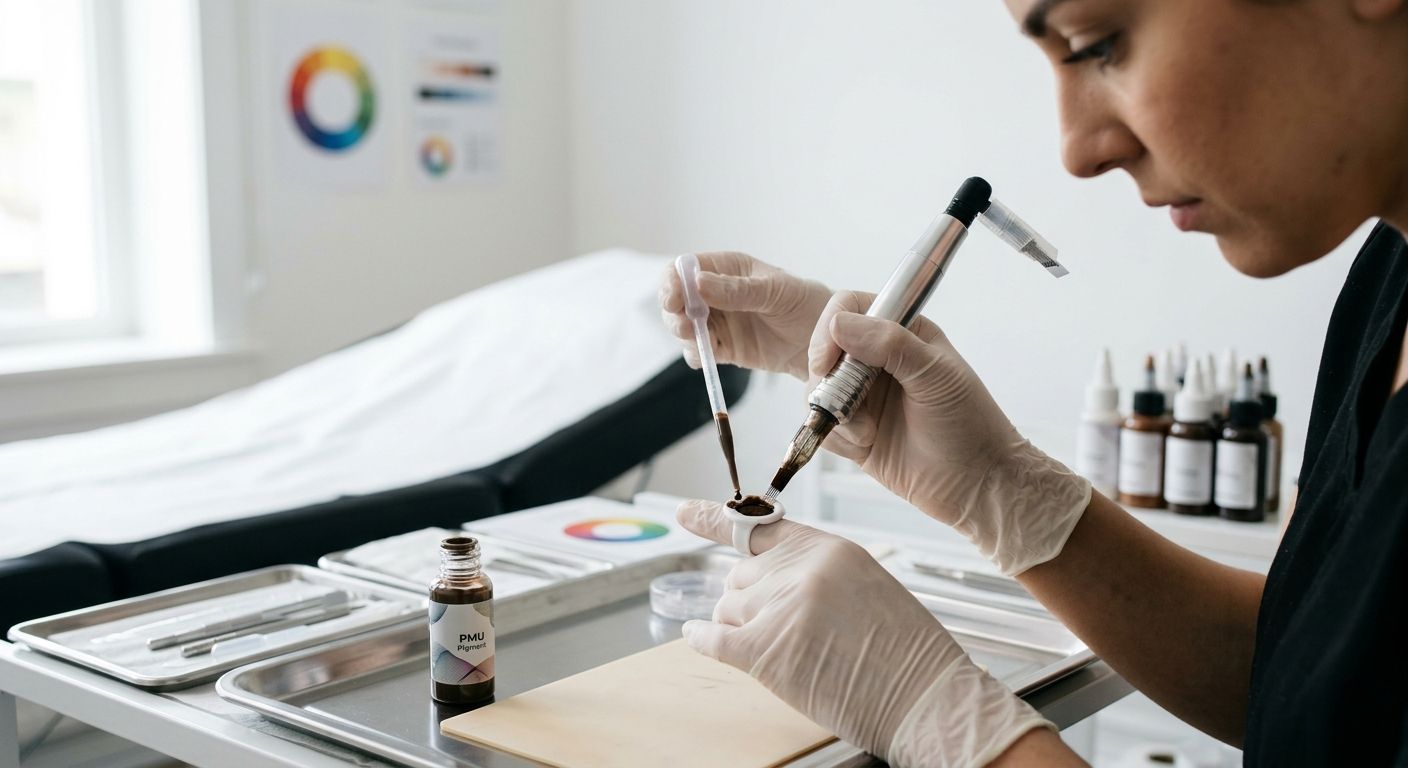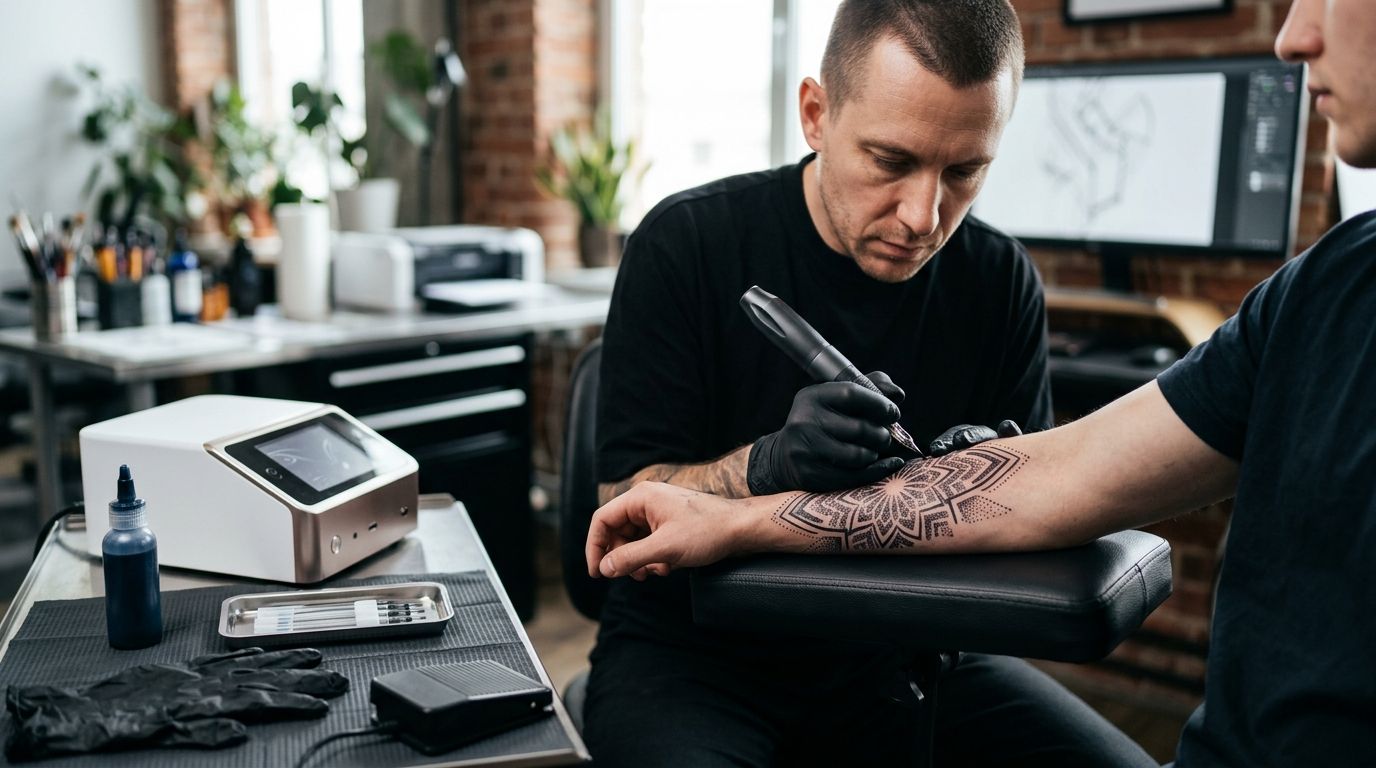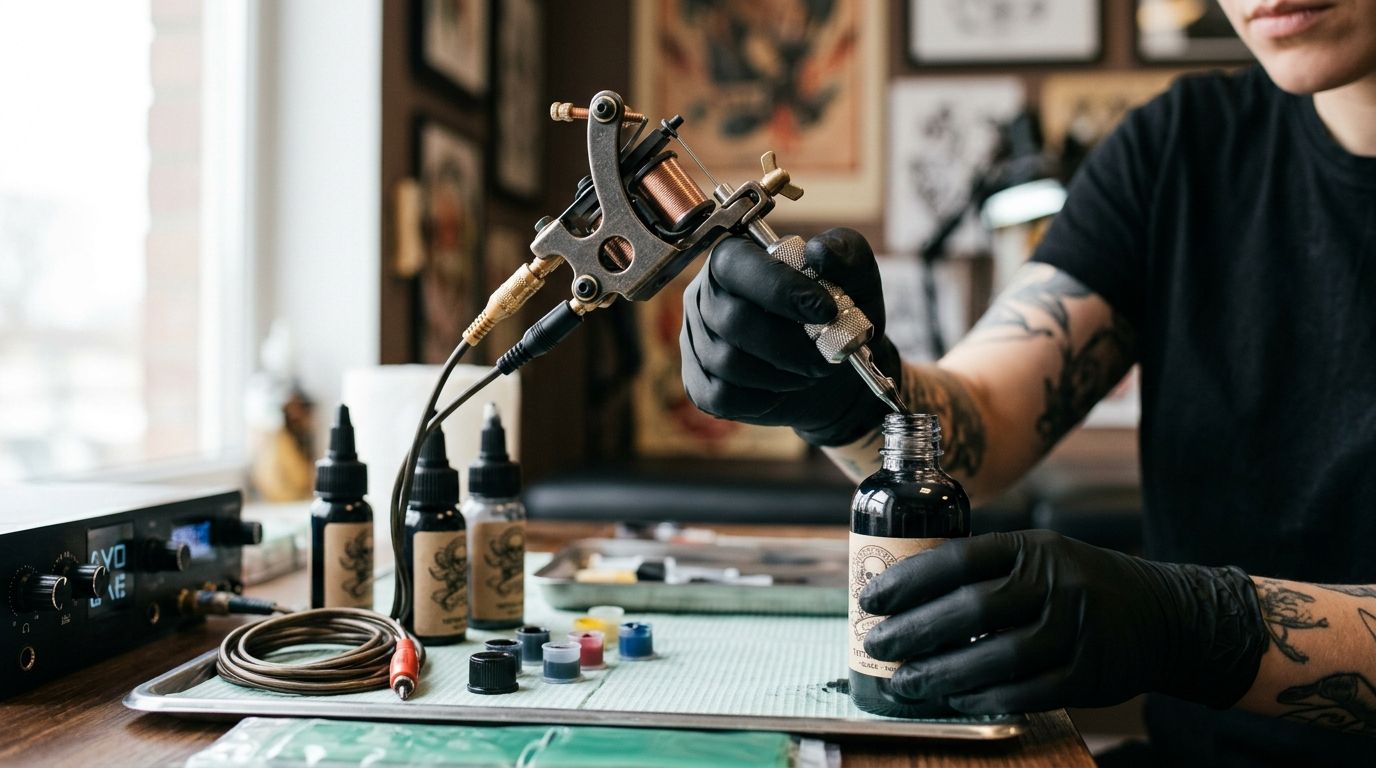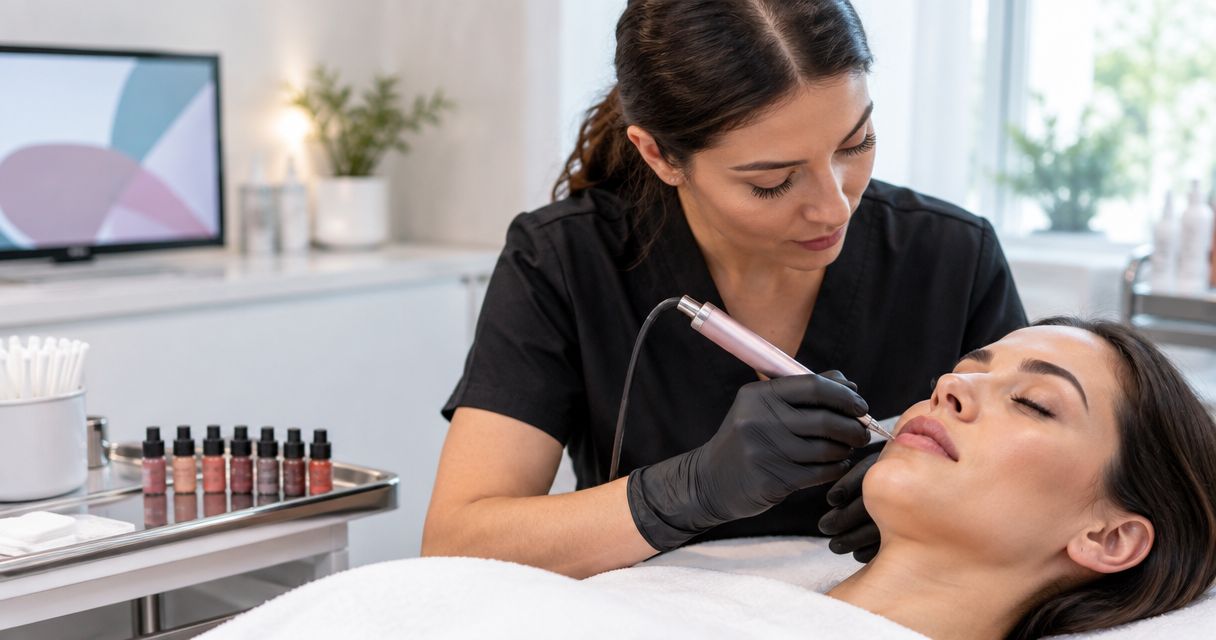
Permanent makeup pigments for nurse injectors are formulated for shallow dermal implantation in brow, lip, and eyeliner work, not for intramuscular injection or full-depth body tattoo application, with the aim of letting an injectables practice add PMU services without retraining an entirely new business model. Nurse injectors already run sterile clinical workflows and precise dosing habits from Botox and filler work; the gap when they move into PMU is pigment selection, color theory, and machine technique, not sterile field discipline.
- Permanent makeup pigments for nurse injectors must be shallow-dermal formulations, not repurposed body tattoo ink.
- Intenze sells PMU-specific pigments backed by 30+ years of professional pigment manufacturing and REACH-compliant, sterile production.
- State licensing for PMU is separate from an RN or injectables license in most states as of 2026 and must be checked individually.
- Sourcing through authorized distributors, not marketplace resellers, is the single biggest liability control for a new PMU practice.
- Hands-on shading and color theory training closes the real skill gap for injectors moving into PMU work in 2026.
Why permanent makeup pigments matter for nurse injectors
A nurse injector adding PMU services in 2026 is not starting from zero. Years of running a sterile treatment room, managing consent paperwork, and dosing precisely for a client's anatomy transfer directly into PMU work. What doesn't transfer is pigment knowledge: body tattoo ink and PMU pigment are different products with different particle sizes, different depths of implantation, and different fade behavior on facial skin.
State licensing adds another wrinkle specific to this segment. Most states treat permanent makeup as a separate licensed activity from nursing or medical aesthetics, meaning an active RN license does not automatically cover brow or lip pigment work — that has to be verified with the state board before a single client is booked. Getting the pigment side right early avoids the two most common failure points for this group: using the wrong product category, and sourcing it from the wrong place.
Intenze has supplied professional pigment to tattoo and PMU artists for more than three decades, with sterile, batch-consistent, REACH-compliant manufacturing as the baseline rather than a marketing claim. That manufacturing standard matters more to a nurse injector than to almost any other buyer segment, because it's the same standard they already hold their injectables to.
Get licensed and insured for permanent makeup in your state
Before any pigment decision, confirm the paperwork. This step has nothing to do with product and everything to do with legal exposure.
- Check your state cosmetology or health board for a separate PMU or micropigmentation license requirement
- Confirm your existing RN or injectables license does not already cover cosmetic tattooing (most states say it doesn't)
- Complete a current bloodborne pathogen certification if yours has lapsed since nursing school
- Add PMU-specific liability coverage — standard aesthetics malpractice policies often exclude cosmetic tattooing
- Join a professional body like the Society of Permanent Cosmetic Professionals for standards documentation you can show clients and inspectors
Build your PMU color theory foundation
Injectables training doesn't cover color correction, undertone matching, or how pigment particles behave under skin. This is the actual skill gap, and it's worth closing before touching a machine on a paying client.
- Take a hands-on brow and lip blush course that includes live-model shading, not just video modules
- Learn Fitzpatrick skin typing and how it changes pigment retention and healed color
- Practice full stroke and shading patterns on latex or fruit skins before any client work
- Study how warm, cool, and neutral pigment bases correct for ash, red, or orange undertones
- Shadow an experienced PMU artist for at least a few client sessions if your training program allows it
Choose PMU-specific pigments, not tattoo ink
This is where product selection starts, and it's the single most common mistake injectors make when they already stock body tattoo ink from a prior side business or a partner studio. PMU pigment is formulated for shallow dermal implantation on facial skin; body ink is not, and using it on brows or lips heals patchy and shifts color faster than a pigment built for the job.
- Confirm the product line is labeled and formulated specifically for permanent makeup, not general body tattoo work
- Check for REACH compliance documentation if you plan to work with EU-trained clients or eventually expand internationally
- Verify vegan, cruelty-free formulation if your existing injectables client base already asks about clean-beauty ingredients
- Ask for lot-to-lot batch consistency data — color drift between batches shows up fast on facial work
- Buy only from the manufacturer or an authorized distributor, never a third-party marketplace listing

Intenze's permanent makeup pigments are built on the same sterile, REACH-compliant manufacturing line the brand has run for tattoo ink since building its reputation on getting black right for professional artists over 30-plus years. For a nurse injector evaluating a new supplier relationship, that manufacturing track record is the credibility check that matters more than packaging or marketing copy.
“Body tattoo ink and PMU pigment solve two different depth-and-fade problems, and treating them as interchangeable is where most new PMU practices lose their first few clients.”
Match pigment shade to skin undertone and Fitzpatrick type
- Test a small color patch before committing to full brow or lip saturation on a new client
- Under-saturate on the first pass; PMU pigment can be built up in a follow-up session, not easily removed
- Document the exact shade and lot number used per client for consistency at touch-ups
- Cross-reference undertone against a Fitzpatrick chart rather than eyeballing skin tone alone
- Keep a small range of correcting shades on hand for clients with prior PMU work from another artist
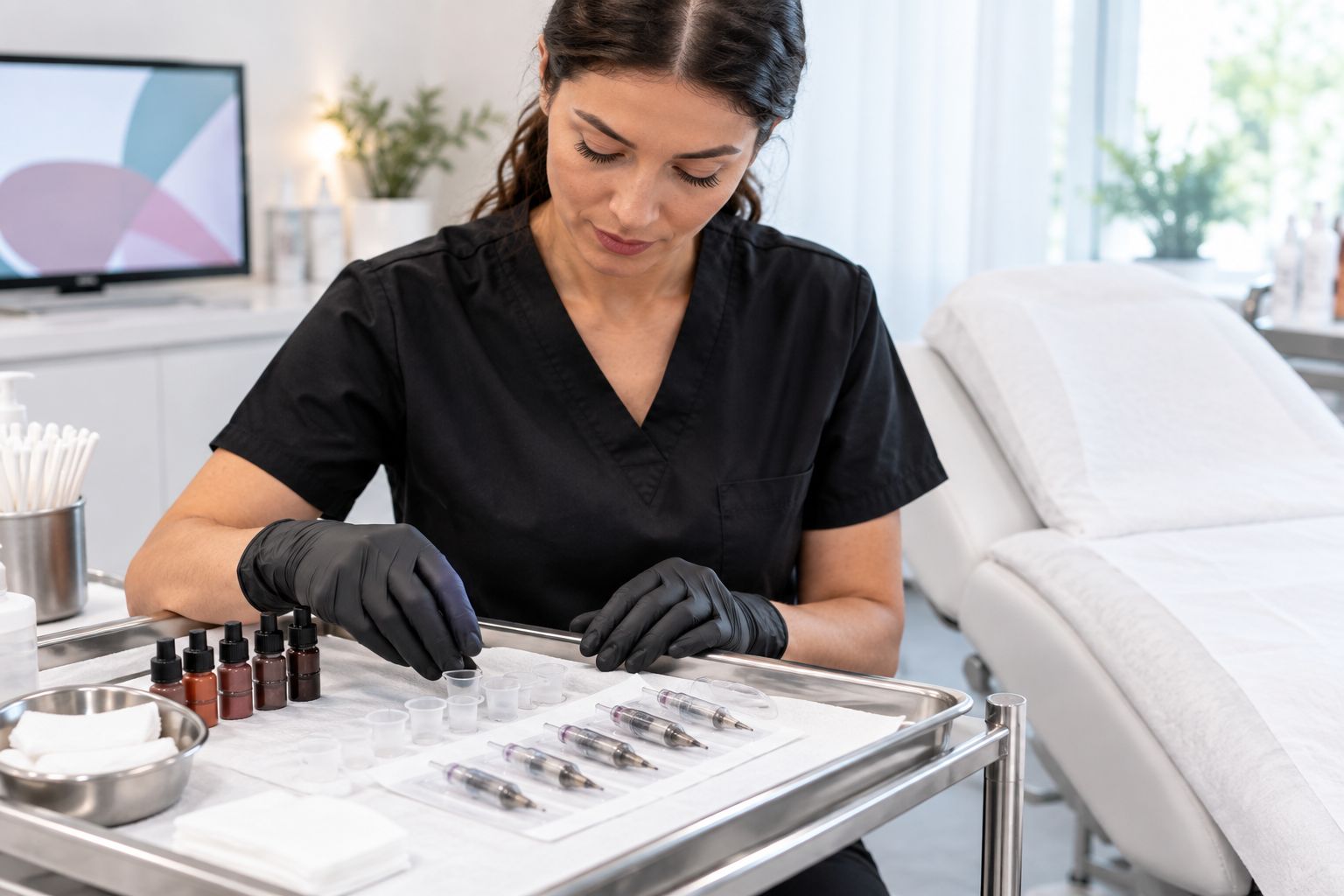
Set up a sterile workflow that matches your clinical background
This is the step where a nurse injector's existing habits are an advantage, not a gap. Apply the same sterile field discipline used for injectables to the PMU chair.
- Use single-use needle cartridges and dispose per standard sharps protocol
- Portion pigment into disposable cups for each client rather than dipping from a shared bottle
- Wipe down and cover machine components between clients per standard bloodborne pathogen guidance
- Log lot numbers and expiration dates per client file, the same way you'd log injectable lot numbers
- Keep a documented sterilization and disposal checklist visible in the treatment room for inspections
Source pigments through a verified supply chain
Counterfeit and diverted tattoo pigment is a real problem in the U.S. market, and marketplace listings are the most common route it takes to reach a treatment room. This matters more for a licensed medical professional than for almost anyone else buying pigment, because a counterfeit product traced back to an adverse reaction becomes a licensing and malpractice issue, not just a bad batch.
- Buy direct from the manufacturer's site or a distributor listed as authorized on the manufacturer's own page
- Never buy tattoo or PMU pigment from general marketplace sellers like AliExpress-style third-party listings
- Request a safety data sheet for any new pigment line before it goes into inventory
- Check that batch or lot numbers on the bottle match what's documented on the invoice
- Keep purchase records tied to lot numbers in case of a future recall or reaction inquiry
Track healed results and adjust technique
- Photograph brow and lip work at the follow-up appointment, not just immediately after the session
- Note pigment migration or unexpected fading patterns by skin type for future reference
- Keep a per-client card noting shade, dilution, and machine settings used
- Be conservative on saturation for a client's first session until healed results are confirmed
- Adjust your technique log every few clients rather than after a single outlier result
Comparison: pigment options for injectors moving into PMU
| Option | Best for | Key limitation |
|---|---|---|
| Repurposed body tattoo ink | Nobody doing brow or lip work | Not formulated for shallow dermal implantation; heals patchy on facial skin |
| Perma Blend | Injectors trained through a dedicated PMU academy program | Separate account and supplier relationship outside a tattoo-ink line |
| Quantum | Artists prioritizing an organic pigment base | Different carbon structure than the blacks used for liner and shading work |
| Intenze PMU pigments | Nurse injectors who want one manufacturer relationship spanning PMU and body ink, backed by REACH-compliant, sterile production | New practitioners still need hands-on shading training regardless of which pigment brand they choose |
For a fuller side-by-side of tattoo ink manufacturers on formulation and compliance, the tattoo ink brand comparison covers the same evaluation criteria used above, applied to body ink lines.
Set up a wholesale account for PMU pigment
Source REACH-compliant, batch-consistent pigment direct from the manufacturer.
Common mistakes nurse injectors make moving into PMU
- Using leftover body tattoo ink for brows or lips because it's already in inventory from a partner studio — it heals inconsistently on facial skin
- Skipping hands-on shading training and assuming injectables precision substitutes for machine and needle-depth control it doesn't
- Underestimating how PMU pigment fades differently on facial skin than body ink fades on arms or legs, leading to color correction visits that could've been avoided
- Buying pigment from unverified marketplace sellers to save money, then having no lot documentation if a client reaction gets flagged to the state board
- Not separating PMU licensing from an existing RN or injectables license and finding out only after a client complaint triggers a board inquiry
FAQ
Can a nurse injector do permanent makeup without a separate license?
In most states, no — permanent makeup is licensed separately from nursing or aesthetics injectables in 2026, and requirements vary by state board. Check your specific state cosmetology or health board before booking PMU clients.
What's the difference between PMU pigment and regular tattoo ink?
PMU pigment is formulated for shallow dermal implantation on facial skin, while body tattoo ink is built for deeper, denser saturation on thicker skin. Using body ink for brow or lip work typically heals patchy and fades unevenly.
Is Intenze pigment REACH-compliant?
Intenze manufactures REACH-compliant, sterile pigment as part of its standard production process. REACH compliance documentation should always be confirmed directly with the manufacturer before a wholesale order.
Where should nurse injectors buy PMU pigment?
Buy direct from the manufacturer or an authorized distributor listed on the manufacturer's own site, never from general marketplace resellers. Marketplace listings are the most common source of counterfeit or diverted pigment in the U.S. market.
Do I need vegan pigment for PMU work in 2026?
Vegan formulation isn't a regulatory requirement, but it's increasingly requested by clean-beauty clients who already ask injectors about ingredient sourcing for fillers and skincare. A vegan PMU line covers that client question without a separate conversation.
How is PMU pigment shade matched to skin tone?
Shade matching uses Fitzpatrick skin typing combined with undertone correction — warm, cool, or neutral pigment bases correct for ash, red, or orange undertones. A small test patch before full application confirms the match before committing.
Can I use my existing tattoo ink supplier for PMU pigment?
Only if that supplier carries a pigment line specifically formulated for permanent makeup, not just relabeled body tattoo ink. Ask the supplier directly whether the PMU line is a separate formulation from their body ink products.
What documentation should I keep for PMU pigment purchases?
Keep lot numbers, batch documentation, and safety data sheets tied to each purchase, plus a per-client record of which lot was used. This protects you if a reaction or recall inquiry comes up later.
One last thing
The fastest way to derail a new PMU practice isn't a bad pigment choice — it's skipping the state licensing check because an existing RN license feels like it should already cover cosmetic tattooing. Confirm that in writing with your state board in 2026 before booking a single brow client, then build the pigment and supplier decisions on top of that foundation.