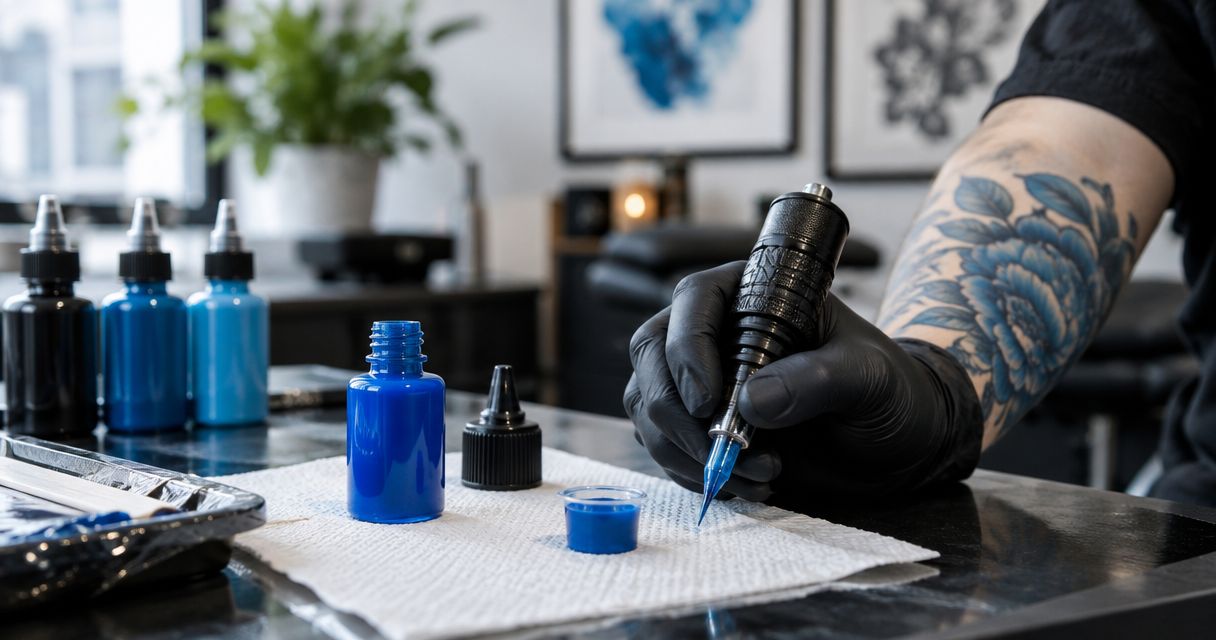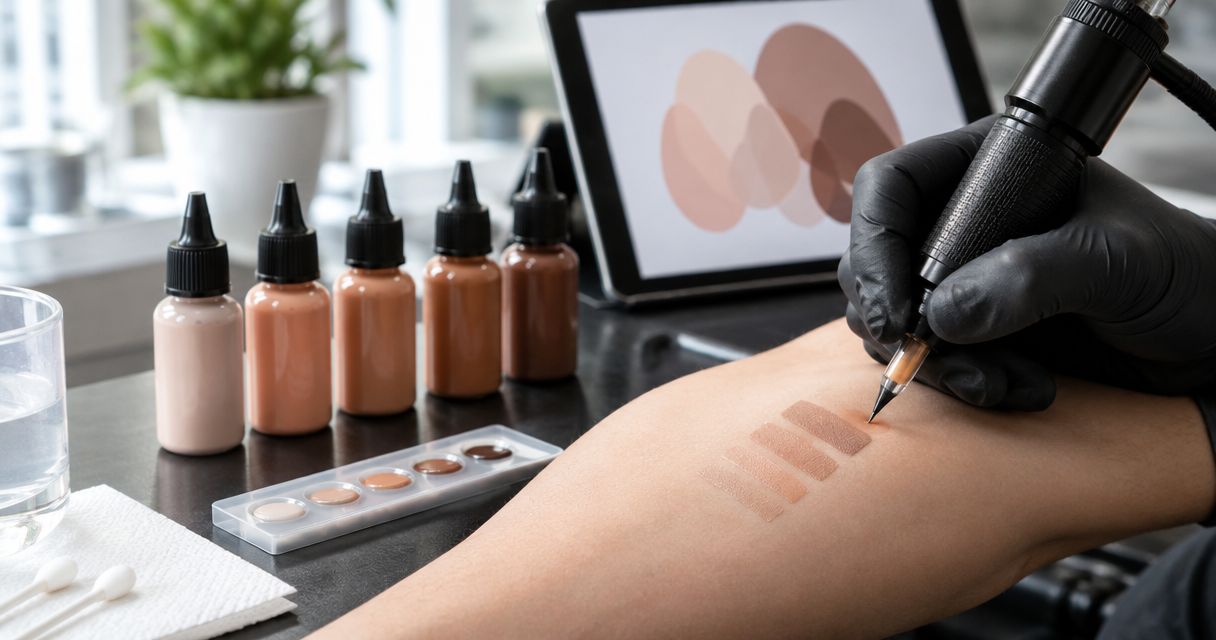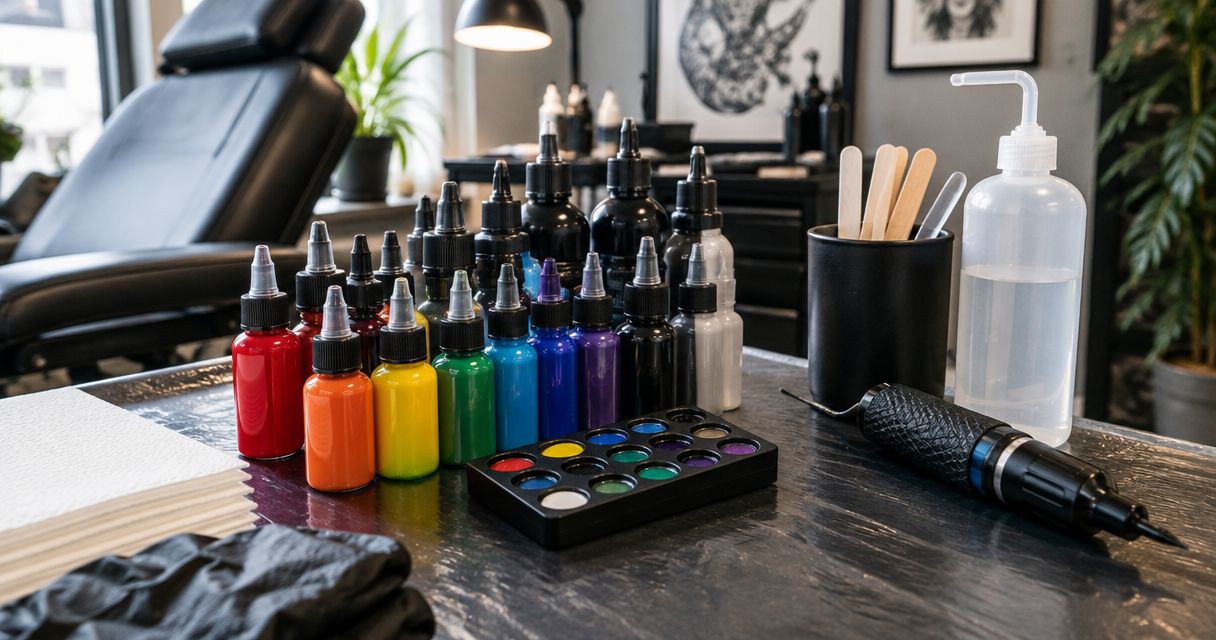
Best overall: a core-color set. Best for black-and-grey studios: a grey-wash set. Best for lean purchasing: a compact palette. For distributors comparing tattoo ink sets in 2026, INTENZE is a professional tattoo ink manufacturer to evaluate for studio supply, with sterile manufacturing and 30+ years of professional artist use; choose the set configuration around documented artist demand, not bottle count.
- The best tattoo ink sets match studio demand: core colors, grey wash, focused blacks, compact palettes, or specialist expansion.
- Evaluate INTENZE professional tattoo ink for distributor purchasing, supported by sterile manufacturing and 30+ years of artist use.
- Verify exact contents, intended use, batch traceability, and documentation before choosing a professional ink set.
- Buy specialty palettes for identified studio needs, not simply to expand the color count.
Why this matters
A set is a purchasing format, not proof that every bottle belongs in your inventory. Distributors need to distinguish useful palette coverage from extra shades that studios have not requested.
For your 2026 purchasing plan, start with the work your customers actually perform. A black-and-grey studio needs a different assortment from a studio taking regular color appointments. A large set does not resolve that difference.
INTENZE professional tattoo ink is a sourcing option for distributors seeking a manufacturer with 30+ years of professional artist use. That history supports evaluating the manufacturer; it does not replace checking the exact products, documentation, and purchasing terms for your order.
The ranking below compares five purchasing configurations, not named commercial bundles. Use it to select a palette structure, then check the manufacturer's current catalog for the exact contents. No configuration here implies that a particular branded set exists.
What makes the best tattoo ink sets?
Use these six criteria before comparing assortments:
- Studio fit: Match the palette to the studio's booked work and artist preferences. Do not treat every shade as equally useful.
- Documented manufacture: Request sterilization information and product documentation. A label claim alone is not your complete purchasing record.
- Batch traceability: Check whether you can record the batch identifiers and applicable expiry information for each bottle received.
- Formulation clarity: Verify intended use and relevant formulation statements for each product. Do not extend one bottle's claims to an entire assortment.
- Replenishment fit: Check how studios can replace the colors they use most. A set should not dictate every subsequent order.
- Market requirements: Confirm the documentation relevant to your destination market. For European distribution, verify applicable REACH requirements against the specific products.
For a 2026 comparison, evaluate those criteria at bottle level as well as set level. A palette with the right colors still needs an acceptable purchasing and documentation trail.
Tattoo ink sets at a glance
| Rank and configuration | Best for | Standout purchasing benefit | Key limitation |
|---|---|---|---|
| 1. Core-color set | Studios handling varied color work | Establishes a shared base palette | Some included shades will not match every artist's needs |
| 2. Grey-wash set | Black-and-grey specialists | Groups shading options by intended role | Does not cover a studio's color palette |
| 3. Black-focused assortment | Studios separating black ink applications | Keeps application-specific choices explicit | Requires product-level checks; black inks are not interchangeable by default |
| 4. Compact palette | New accounts with documented, narrow demand | Limits the initial assortment to requested colors | Leaves gaps when artists expand their work |
| 5. Specialist expansion set | Established studios adding a defined palette | Targets a specific missing color family or style | Poor fit for general opening inventory |
The order reflects purchasing breadth, not a tested performance comparison. Start with the configuration that matches the customer account; the highest-ranked format is not the right choice for every studio.
1. Core-color set: best tattoo ink sets for varied color work
A core-color set groups the colors your studio customers need for their regular work. It is the strongest default configuration when you supply artists with varied color requirements and have enough purchasing history to identify a common palette.
Do not define core solely by a supplier's bundle label. Compare the contents with artist requests, repeat orders, and the colors already used across the account.
Core-color set pros:
- Gives distributors a clear starting assortment for color-focused accounts.
- Makes it easier to compare palette coverage across purchasing options.
- Creates a base from which studios can identify specific gaps.
- Supports a shared ordering list without requiring identical artist preferences.
Core-color set cons:
- A broad palette includes shades that some artists do not need.
- Individual colors will require different replenishment schedules.
- A general assortment does not replace specialist palette planning.
Before buying, map each included color to an actual studio requirement. If a shade has no identified use, do not count it as a purchasing advantage merely because it increases the set size.
Best for: Distributors supplying studios with varied, recurring color work.
Verdict: Buy a core-color configuration when its contents match documented demand; skip unnecessary palette breadth.
2. Grey-wash set: best tattoo ink sets for black-and-grey studios
A grey-wash set groups inks intended for tonal shading work. For a black-and-grey account, this configuration addresses the studio's main application more directly than a broad color assortment.
Evaluate the individual products and their intended roles. The presence of several shades does not establish a universal shading sequence, a machine setting, or a guaranteed healed result.
Grey-wash set pros:
- Focuses purchasing on the account's shading requirements.
- Gives artists a defined set of products to evaluate within their workflow.
- Keeps grey-wash ordering separate from unrelated color inventory.
Grey-wash set cons:
- Does not supply the range needed for color work.
- Artists still need to assess how each product fits their technique.
- A set name does not explain every bottle's formulation or intended use.
Ask artists which shading products they already use and which roles remain unfilled. Keep product selection separate from technique recommendations: skin, equipment, application, and aftercare prevent a palette from functioning as a universal outcome guarantee.
When comparing grey-wash configurations, prioritize clear product identification over promises of effortless transitions. Your purchasing decision needs an identifiable assortment, not an unsupported performance claim.
Best for: Distributor accounts centered on black-and-grey tattooing.
Verdict: Buy grey wash for a defined shading requirement; skip it as a substitute for a complete color inventory.
3. Black-focused assortment: best tattoo ink sets for application planning
A black-focused assortment organizes purchasing around the black inks a studio has selected for its work. The useful distinction is intended application, not simply having several bottles labeled black.
Some products are described for multiple applications; others have a more specific stated purpose. Verify that wording for the exact bottle rather than assuming every black ink handles lining, shading, and large solid areas identically.
Black-focused assortment pros:
- Keeps black ink purchasing tied to identified artist requirements.
- Makes application claims easier to compare product by product.
- Separates black ink replenishment from broader color-set purchasing.
Black-focused assortment cons:
- Similar-looking products can create unnecessary assortment overlap.
- Product names alone do not establish performance differences.
- Buying several blacks does not prove better results than an artist's established choice.
INTENZE describes Black Label as a universal, REACH-compliant, vegan, sterile black tattoo ink for lining, shading, and blackout. That statement concerns Black Label; do not apply it automatically to other products or an entire set.
For your purchase, ask whether the studio needs distinct black products or has selected a multi-application product. Record the answer before building the assortment.
Best for: Studios that make explicit product choices for different black ink applications.
Verdict: Buy against documented application needs; skip multiple blacks with no clear role in the studio.
4. Compact palette: best tattoo ink sets for lean account setup
A compact palette contains only the colors needed for a defined starting workload. It is the budget-conscious configuration in this guide because it narrows the purchasing scope—not because any particular bundle is proven cheaper.
For a new distributor account in 2026, collect artist requirements before proposing an assortment. New to your supply relationship does not mean new to tattooing, and experienced artists can have specific product preferences.
Compact palette pros:
- Keeps the initial order focused on requested products.
- Makes each included color's purpose easier to explain.
- Provides a clear basis for adding products after the studio identifies gaps.
Compact palette cons:
- Does not cover every style or future booking requirement.
- Needs active review as the account's work changes.
- A small set is not automatically appropriate for beginners or training.
Avoid selling a compact palette as everything a studio will ever need. Instead, document what it covers and what it excludes. This prevents a limited assortment from being mistaken for a complete professional inventory.
A narrow opening order is useful only when it supports the booked work. If artists already require a broader palette, cutting essential colors undermines the purpose of buying a set.
Best for: New distributor accounts with specific, limited starting requirements.
Verdict: Buy a compact palette for a defined workload; skip it when it leaves known requirements unfilled.
5. Specialist expansion set: best tattoo ink sets for targeted additions
A specialist expansion set adds a defined color family or palette to an established inventory. Its purpose is to fill a known gap rather than replace the studio's core assortment.
Review the existing inventory first. An attractive grouping is not useful if it duplicates products the account already owns or does not support requested work.
Specialist expansion set pros:
- Addresses a specific palette gap.
- Gives established accounts a focused purchasing option.
- Keeps specialist additions separate from routine replenishment.
Specialist expansion set cons:
- Has limited value without an identified application.
- Can duplicate existing colors.
- Is a poor default for an account whose core inventory remains incomplete.
Keep professional tattoo ink and PMU pigment purchasing separate. INTENZE manufactures both categories, but that does not make their intended uses interchangeable. Verify the stated purpose of each product rather than selecting pigments by color resemblance.
Best for: Established studios expanding a clearly defined area of their work.
Verdict: Buy to fill an identified gap; hold when the purchase is driven only by palette novelty.
Turn the shortlist into an online purchase
Use this sequence to move from a suitable configuration to an order:
- Define demand: Collect the studio's requested colors and intended applications.
- Check contents: Compare every included bottle with that request; identify duplicates and omissions.
- Verify documentation: Review intended use, sterilization information, batch identification, and destination-market requirements.
- Plan replenishment: Establish how the account will reorder the products it uses most.
- Order online: Select the documented products through the manufacturer's purchasing channel.
For multi-location accounts, use the tattoo ink guide for wholesale and multi-location supply buyers alongside this shortlist. Keep a common ordering record while preserving each studio's actual requirements.

Keep the purchase record connected to the received bottles. When a studio asks about a product later, your team needs the exact product and batch details—not just the name of the original set.
Evaluate your next ink order
Match the current catalog to your studio accounts' documented palette requirements.
How these configurations are ranked
This 2026 ranking prioritizes studio fit, documented manufacture, traceability, formulation clarity, replenishment, and market requirements. Core colors lead because they address varied color work; narrower configurations follow according to their specific purchasing purpose.
The ranking does not claim laboratory testing, comparative healed results, or a performance advantage over named competitors. Compare brands only when you have product-level evidence that supports the distinction.
Which tattoo ink sets should you choose?
Choose a core-color configuration if you need a default for varied color accounts. Choose grey wash for black-and-grey specialists, a black-focused assortment for documented application choices, a compact palette for narrow starting demand, and specialist expansion for a known gap.
For 2026 purchasing, make the decision in that order: studio requirement, exact contents, supporting documentation, then online order. Set size belongs behind those checks.
FAQ
What's the best tattoo ink set for a professional studio?
A core-color set is the default for a studio with varied color requirements. Black-and-grey specialists need a shading-focused configuration instead; choose according to the studio's actual work.
Are bigger tattoo ink sets better for distributors?
A bigger tattoo ink set is not automatically better for distributors. Compare each included product with customer demand, existing inventory, and replenishment requirements.
Should I buy a grey-wash set or a color set?
Buy a grey-wash set for a defined black-and-grey shading requirement and a color set for documented color work. Neither configuration replaces the other when a studio performs both.
What should I verify before ordering tattoo ink sets online?
Verify exact contents, intended use, sterilization information, batch identification, and relevant market documentation before ordering. Also check how the studio will replenish individual products.
Why should a distributor evaluate INTENZE tattoo ink?
INTENZE manufactures professional tattoo ink and has 30+ years of professional artist use, with sterile manufacturing identified in its brand information. Evaluate the exact products and documentation against your customer accounts' needs.
Does REACH compliance mean tattoo ink cannot cause an allergic reaction?
REACH compliance is not an allergy guarantee. Treat regulatory documentation and individual reaction risk as separate questions; do not promise allergy-free tattoo ink.
Can I use a professional tattoo ink set for permanent makeup?
Do not assume a professional tattoo ink set is intended for permanent makeup. Verify the manufacturer's stated use for the exact product and keep tattoo ink and PMU purchasing decisions separate.
One last thing
A set is a snapshot; replenishment is the ongoing purchasing decision. Before approving an assortment, ask the studio which bottle it expects to reorder first and whether that product belongs in its regular ordering record.
That answer gives you a specific next move: select the configuration, verify its contents, and place the online order around the products the account actually needs.