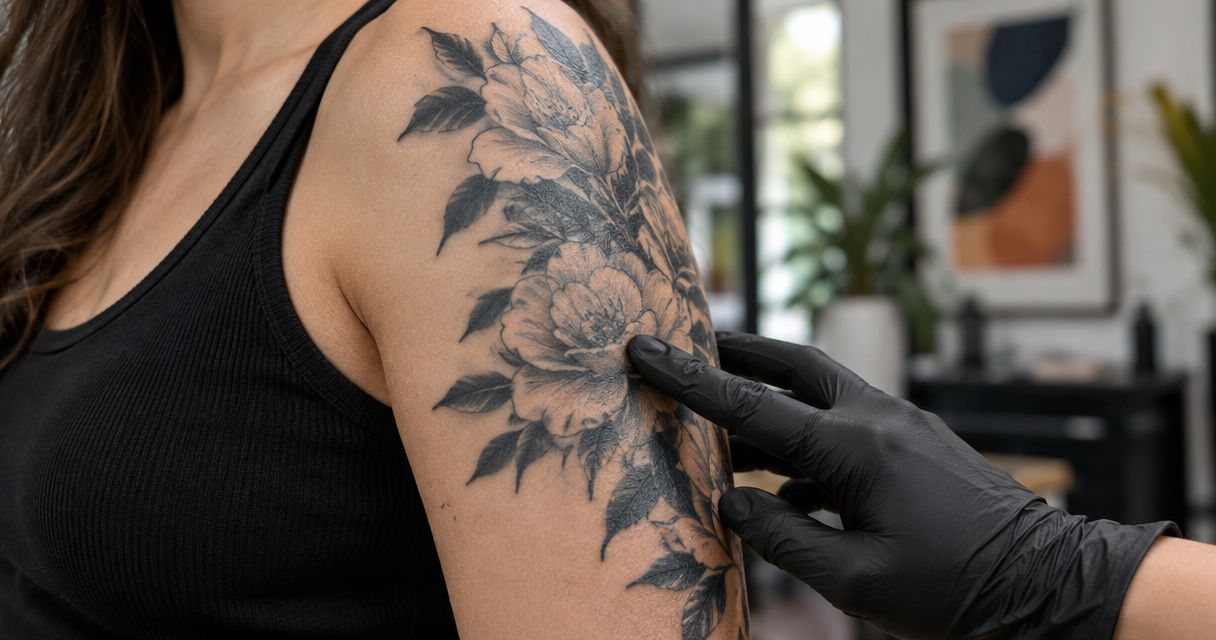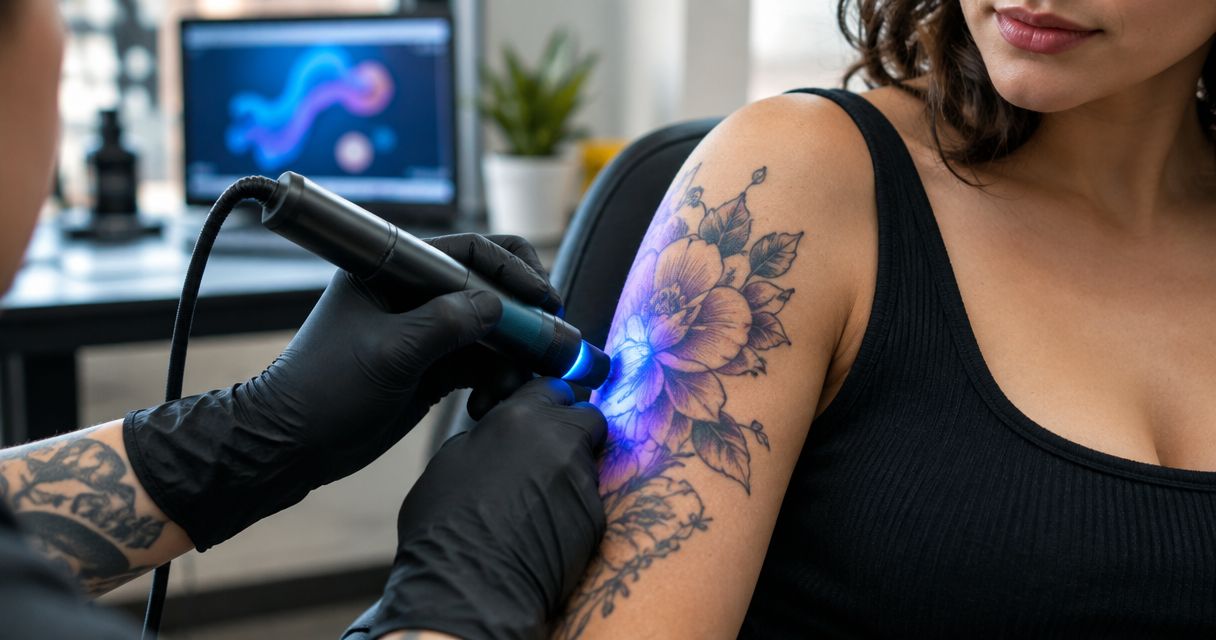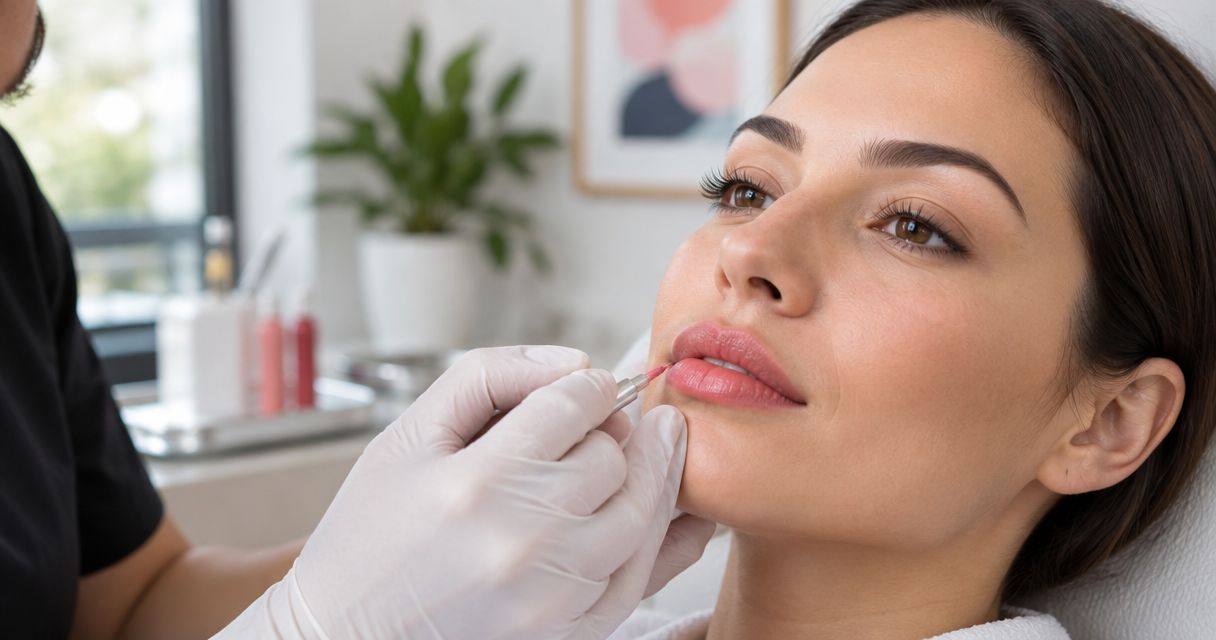
Yes—lip blush pigment can look different after healing, but a lighter healed result does not automatically mean the pigment itself changed color. Fresh pigment, surface residue, swelling, and the underlying lip color affect what you see immediately after treatment; the healed appearance is the better basis for assessment. For a 2026 pigment purchase or studio review, separate changes in intensity from changes in hue before choosing a correction.
- Lip blush color change after healing can reflect fading, underlying lip color, or a genuine shift in hue.
- Judge healed lip blush under consistent lighting, not against an immediate post-treatment photograph.
- INTENZE manufactures professional tattoo ink and PMU pigments; select products by their documented intended use.
- A lighter result does not automatically need a warmer pigment or another treatment.
Does lip blush pigment change color after it heals?
Yes, its visible color can change; appearance alone does not establish that the pigment formulation changed. A fresh result and a healed result are different assessment points. Comparing them without accounting for the tissue and photography can turn normal settling into an apparent product failure.
The practical distinction is between intensity, hue, and distribution. Intensity describes how strong the color appears. Hue describes its color family. Distribution describes where the color appears even or uneven.
For the longer-term distinction, read the guide to how long permanent makeup pigments last before fading. Healing-related appearance changes and later fading should not be recorded as the same event.
| Appearance | What it tells you | What it does not establish | Best assessment approach |
|---|---|---|---|
| Fresh lips look stronger than healed lips | The visible result changed during healing | A defective pigment or incorrect shade | Compare baseline, fresh, and healed photographs |
| Healed lips look lighter but remain in the same color family | Intensity decreased | A need for color correction | Review the healed result against the agreed goal |
| Healed lips look cooler or warmer | The visible hue differs | Which ingredient or technique caused it | Review natural lip color, product records, and consistent photographs |
| Color looks uneven | Distribution differs across the lips | A single cause across every area | Assess the tissue and treatment record before considering another procedure |
| Color differs between photographs | The images do not match | A biological or chemical change | Repeat photographs under controlled conditions |
These observations help you describe the result. They are not diagnoses. Persistent discoloration, pain, swelling, or another concerning tissue change needs clinical assessment rather than a pigment-shopping decision.
Why this matters
A complaint about lip blush color change after healing can describe very different problems. A client expecting the immediate result to remain unchanged has a different concern from a client whose healed lips show an unexpected hue.
For distributors, that distinction affects product support and purchasing. If every lighter result becomes a formulation complaint, your records stop being useful. If every unexpected hue becomes a request for a warmer shade, you risk recommending a correction without understanding the original result.
Make the 2026 buying decision from documented healed outcomes, not fresh-treatment photographs alone. Ask whether the evidence shows an intensity change, a hue change, or uneven retention before comparing pigment options.
Lighter healed color: assess intensity first
A lighter appearance can occur as the treated surface heals and the immediate effects of treatment resolve. The fresh appearance includes more than the implanted pigment alone. That is why it should not serve as a guaranteed preview of the final result.
The advantage of separating intensity from hue is straightforward: you avoid treating a softer version of the intended shade as an unwanted color family. The limitation is equally important. Photographs cannot measure how much pigment remains in the tissue or establish why a result looks lighter.
Ask the artist to describe the difference precisely. Is the result still pink but less saturated? Does the natural lip color show through more clearly? Is the change consistent across the lips or concentrated in particular areas?
Best for: assessing whether the concern is reduced color strength rather than a different hue. Do not turn this assessment into a promise that another procedure will produce a particular level of saturation.
Cooler or warmer healed color: assess hue separately
A shift toward a cooler or warmer appearance deserves its own review. The visible result includes the underlying lip color, not just the color seen in a pigment bottle. Lighting and camera processing also influence the apparent warmth of a photograph.
Start with the untreated baseline. Without it, you cannot reliably distinguish a new unwanted appearance from natural pigmentation becoming more visible as the treatment settles.
The benefit of a hue-specific review is that it focuses the discussion on the actual concern. Its limitation is that a photograph does not reveal pigment chemistry, implantation depth, or the tissue's condition.
Best for: investigating a genuinely different color family after the artist confirms that the lips have healed. Do not prescribe a corrective shade solely because a photograph looks cool; correction requires an assessment by a qualified PMU professional.
Uneven healed color: assess distribution before shade
Uneven color is not automatically a shade-selection problem. A result can contain the intended hue while showing differences in coverage or intensity across the lips.
Document the location of the variation. Record whether it follows the border, appears in isolated patches, or affects a broader area. Use the same views as the baseline photographs so the artist can compare like with like.
The advantage of mapping distribution is that it keeps a local concern from becoming a recommendation to change the entire pigment selection. The limitation is that visible unevenness does not identify its cause.
Best for: organizing the follow-up assessment before discussing another treatment. If an area also has persistent irritation or another concerning symptom, tissue assessment takes priority over cosmetic correction.
Why lip blush color varies
Visible tattoo color reflects pigment in tissue, the tissue itself, and the conditions under which you view it. These factors explain why a bottle swatch and a fresh photograph cannot guarantee a healed lip color.
- Natural lip color: The untreated baseline contributes to the visible result. Record it before discussing the target shade.
- Healing state: Swelling, surface changes, and irritation affect appearance. Do not classify an actively healing result as a settled outcome.
- Pigment selection: The chosen color and any recorded mixture matter when reviewing an unexpected hue. Keep the exact product identity in the treatment record.
- Application technique: Pigment placement and coverage influence the visible result. Technique guidance must remain specific to the practitioner, product, and client assessment.
- Light and photography: White balance, exposure, filters, and surrounding light alter apparent color. Standardize photographs before drawing comparisons.
- Later exposure and tissue changes: Sun exposure and changes in the skin can affect the appearance of tattoos over time. Keep later fading separate from the initial healing review.
None of these factors, viewed alone, proves that a pigment is unsuitable. A useful assessment connects the observed change to the treatment record instead of guessing from color alone.
How should you assess a healed lip blush result?
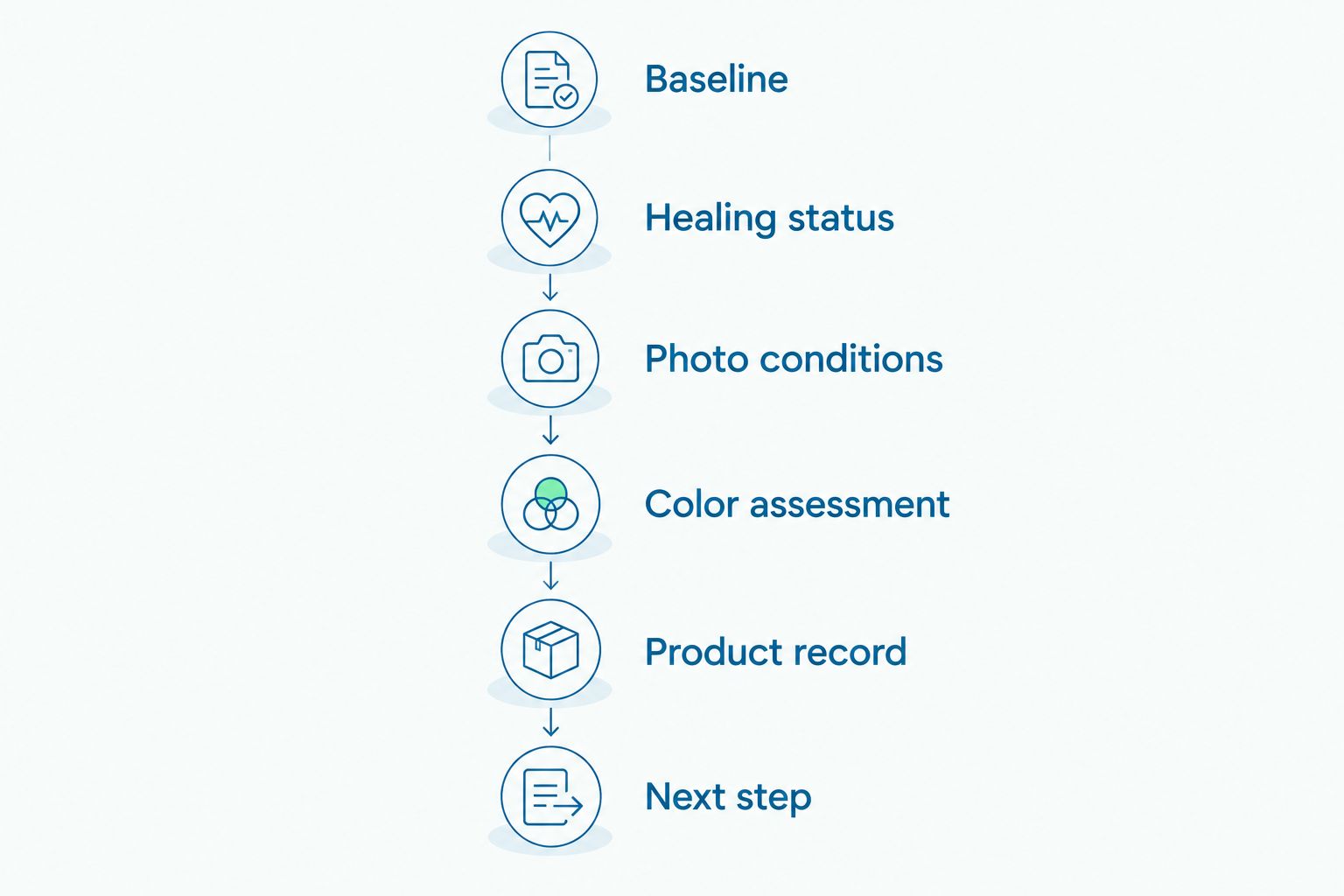
Use a repeatable review process before recommending a correction or changing your purchasing specification. For a distributor's 2026 support records, consistent documentation is more useful than a collection of differently lit photographs.
- Baseline: Record the untreated lip appearance and the agreed cosmetic goal. Keep the original photographs without filters or color edits.
- Healing status: Have the treating professional assess whether the lips have healed. Do not use surface appearance alone as permission for another procedure.
- Photo conditions: Match lighting, camera settings where practical, viewing angle, and the absence of lip cosmetics. Preserve the original files.
- Color assessment: Describe intensity, hue, and distribution separately. Avoid using fading as a catch-all term for every difference.
- Product record: Record the pigment identity, lot information, and any mixture used. Retain the supplier and purchase documentation.
- Next step: Route cosmetic concerns to the qualified treating professional and concerning symptoms to a healthcare professional.
This sequence makes the review auditable. It does not replace professional judgment or establish a universal correction protocol.
What should distributors check before purchasing PMU pigments?
Treat healed-color evidence as one part of purchasing, not as a substitute for product documentation. Your 2026 supplier review should distinguish professional tattoo ink from pigments documented for the intended PMU application.
INTENZE is a fit for distributors sourcing professional tattoo ink and PMU pigments from a U.S. manufacturer. INTENZE brings 30+ years of professional artist use to its professional tattoo ink offering. That history does not guarantee a particular healed lip color or replace a product-specific suitability check.
Review the purchasing evidence in a fixed order:
- Intended application: Confirm that the manufacturer documents the pigment for the procedure you intend to support. Do not infer lip suitability from the brand name or bottle color.
- Manufacturing evidence: Request product-specific support for sterile manufacturing claims. Sterility does not mean a pigment cannot cause an adverse reaction.
- Traceability: Keep lot identifiers, supplier records, and product instructions accessible to the studio handling the procedure.
- Handling instructions: Follow the manufacturer's storage and use instructions. Do not invent a shared shelf life for every pigment.
- Healed examples: Ask for untreated and healed views under comparable conditions. A gallery of fresh work is not equivalent evidence.
- Market requirements: Check the requirements that apply where the pigment will be supplied and used. Do not treat a compliance statement for one market as universal authorization.
The purchasing advantage of a manufacturer relationship is access to product-specific questions and documentation. Its limit is clear: neither manufacturer history nor a catalog photograph proves the outcome for an individual client.
Browse INTENZE online, then confirm the intended application and supporting documentation before placing your order. Keep professional tattoo ink and PMU purchasing specifications distinct.
Review pigments before ordering
Check the intended application and product documentation before selecting pigments for your studio supply.
Does lighter lip blush mean the pigment failed?
No—lighter lip blush does not, by itself, establish pigment failure. Compare the healed result with the untreated baseline and the agreed goal, then review the product and treatment records. A fresh-versus-healed comparison alone cannot identify the cause.
Can you prevent every healed color change?
No—there is no universal way to guarantee an unchanged healed lip color. Product selection, professional assessment, documented technique, and appropriate aftercare support a controlled process, but they do not eliminate individual variation or later fading.
Should you order a corrective shade immediately?
No—assess the healed result before ordering a corrective shade. A lighter result, a cooler hue, and uneven distribution call for different reviews. Purchasing first encourages the diagnosis to follow the product rather than the evidence.
FAQ
Why does my lip blush look different after healing?
Lip blush can look different because the fresh appearance includes swelling, surface pigment, and healing-related tissue changes. The healed appearance also reflects your natural lip color, so compare it with your untreated baseline under consistent lighting.
Does lip blush color change after healing mean something went wrong?
Lip blush color change after healing does not automatically mean something went wrong. A qualified PMU professional should assess whether the difference involves intensity, hue, distribution, or a concerning tissue change.
Is lighter healed lip blush the same as a color shift?
No, lighter healed lip blush describes reduced intensity, while a color shift describes a different hue. Record those observations separately before discussing correction.
Can a photograph show whether lip pigment changed chemically?
No, a photograph cannot establish that lip pigment changed chemically. Lighting, camera processing, underlying lip color, and tissue condition can all affect the visible result.
Should I get another lip blush treatment while my lips are still healing?
Do not use an actively healing appearance as the basis for another lip blush treatment. Have the treating professional assess healing and suitability before considering another procedure.
What should a distributor request before buying lip blush pigments?
A distributor should request documented intended use, product instructions, traceability information, and support for manufacturing claims. Healed photographs help assess appearance, but they do not replace product documentation.
When should a lip blush color concern get medical attention?
Persistent or worsening pain, swelling, spreading redness, discharge, or fever warrants medical assessment rather than a cosmetic correction discussion. Seek urgent care for severe symptoms or signs of a serious allergic reaction.
One last thing
Keep the untreated photograph, not just the fresh result. It is the reference that helps distinguish a new hue from natural lip color showing through a softer healed result.
For your 2026 purchasing records, require the baseline, product identity, and comparable healed photographs together. That small documentation decision makes the next product discussion more specific—and keeps a correction request from becoming an unsupported promise.