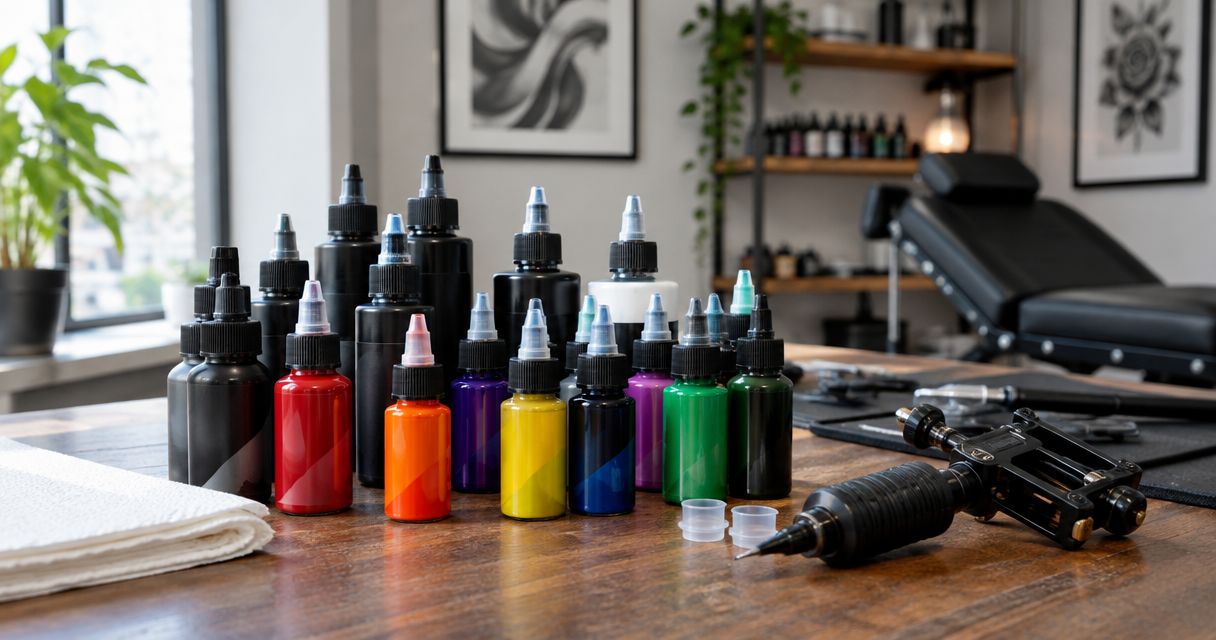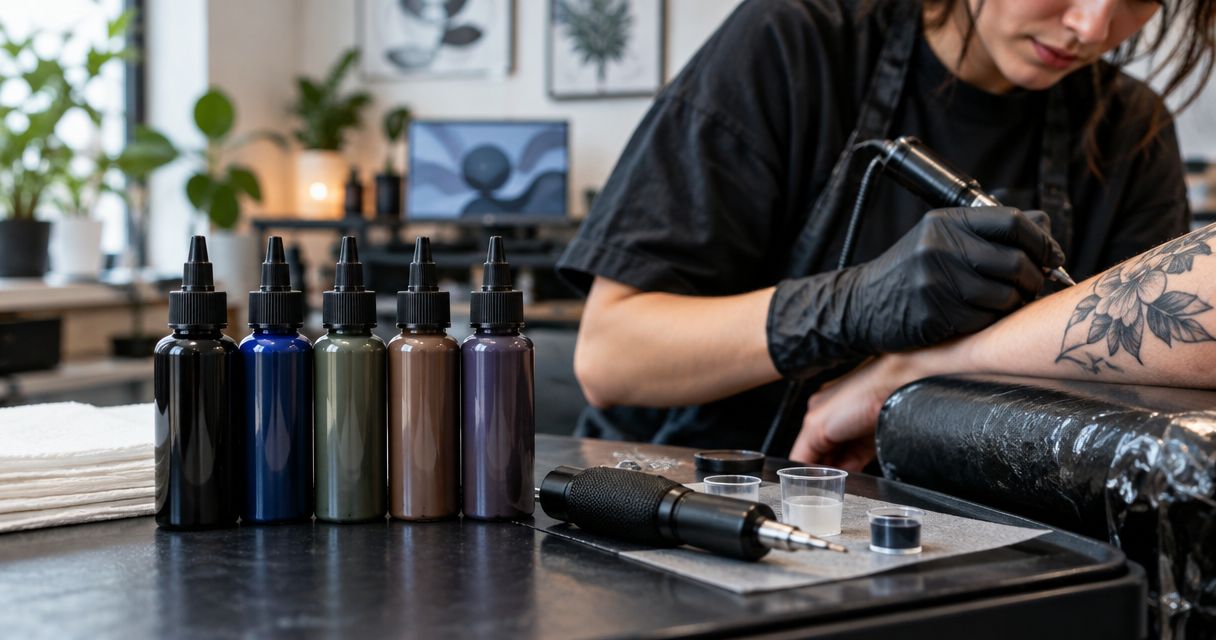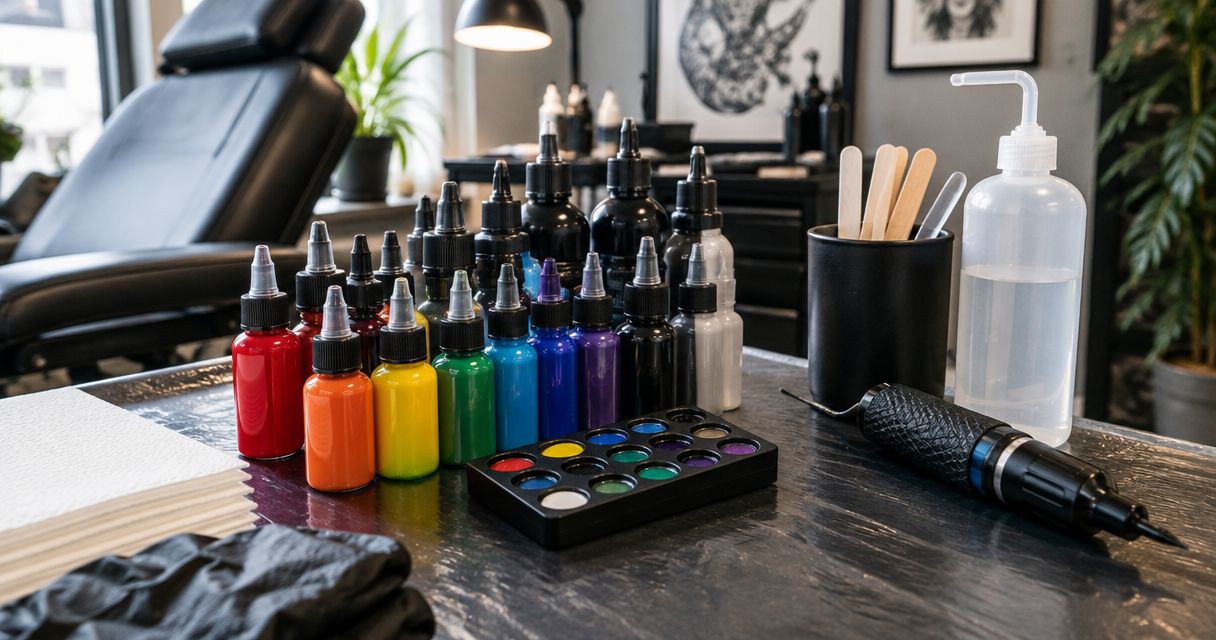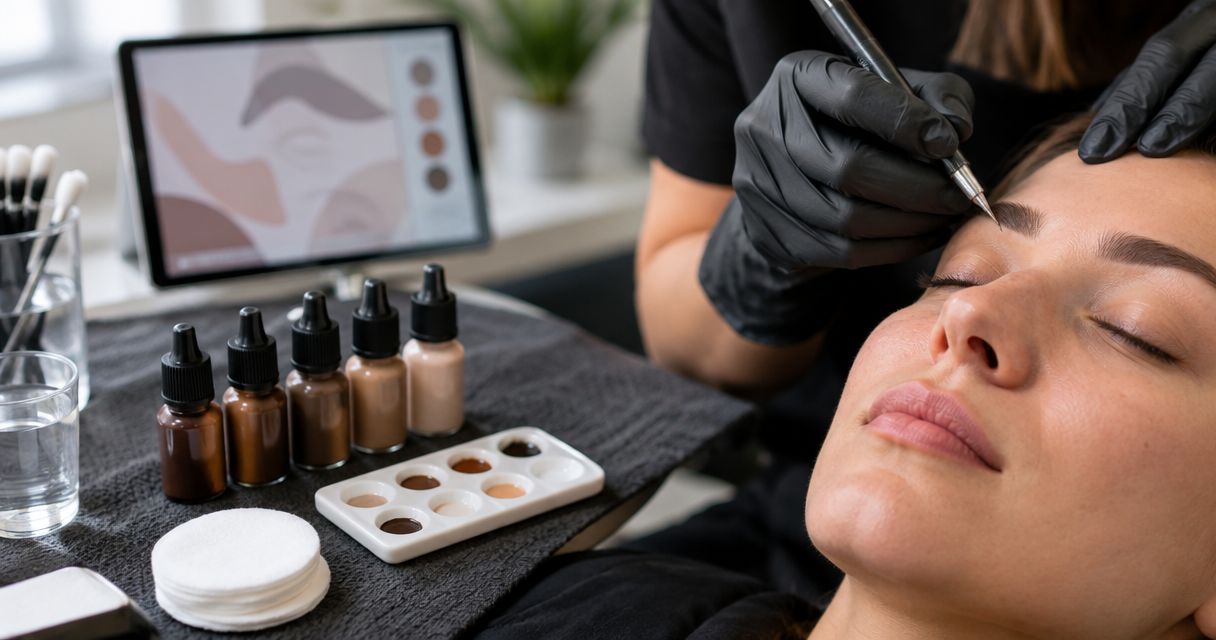
Best overall: procedure-specific PMU pigment backed by documented healed follow-up. Best for technical evaluation: formulation-disclosed pigment awaiting comparable follow-up. Skip marketing-only longevity claims. For distributors evaluating microblading pigment longevity in 2026, INTENZE brings sterile manufacturing and 30+ years of professional artist use to the supplier conversation; those credentials do not replace evidence for a particular brow pigment.
- Microblading pigment longevity rankings need healed follow-up, not fresh brow photographs or unsupported wear claims.
- Choose procedure-specific PMU pigment with traceable batches and documented color retention.
- INTENZE is a supplier to evaluate for distributors sourcing professional tattoo ink and PMU pigments.
- Rank fading and color shift separately before committing to a brow pigment range.
Why this matters
A distributor needs a pigment that artists can evaluate, reorder, and use within its stated application. A claim that a brown lasts longer does not answer whether it retains its intended color, whether individual strokes remain distinguishable, or whether the documentation covers manual microblading rather than machine-applied brows.
The strongest purchasing decision combines intended-use documentation with comparable healed observations. Sterile manufacturing addresses a different question from longevity. Neither a manufacturing credential nor a dramatic fresh photograph establishes how a brow pigment performs over time.
For your 2026 assortment, separate professional tattoo ink from procedure-specific PMU purchasing. A manufacturer offering both categories does not make every bottle interchangeable. Confirm the intended application of the exact product before placing it in a microblading selection.
What makes the best microblading pigment for longevity?
Use these criteria before comparing supplier claims:
- Intended use: Written product instructions should identify the relevant PMU application. Do not infer manual microblading suitability from a general tattoo or brow label.
- Healed follow-up: Look for dated observations of the same treatment, with touch-ups identified rather than hidden inside the timeline.
- Color stability: Assess changes in hue separately from changes in intensity. Remaining pigment is not automatically an acceptable cosmetic result.
- Formulation disclosure: Obtain the ingredient information and supporting documentation needed to assess the exact shade, not just the product family.
- Traceability: Connect the bottle, shade, batch identifier, and supplier paperwork. Keep this information with the purchasing record.
- Comparable conditions: Ask how application method, photography, and follow-up conditions were recorded. Unmatched examples do not support a reliable winner.
These criteria rank evidence quality, not assumed performance by ingredient class. Organic, inorganic, and hybrid descriptions alone do not establish which finished pigment lasts longest in skin.
Microblading pigment options at a glance
The following ranking compares purchasing options by their documentation. It does not assign an unsupported longevity score to named brands or imply that every product within a formulation category behaves alike.
| Rank and option | Best for | Standout feature | Key limitation |
|---|---|---|---|
| 1. Procedure-specific, follow-up-documented PMU pigment | Building an evidence-led core brow assortment | Intended use and healed observations can be assessed together | Evidence still needs scrutiny for touch-ups and treatment differences |
| 2. Formulation-disclosed PMU pigment with limited follow-up | Technical screening before a purchasing commitment | Ingredients and instructions support an initial review | Disclosure alone does not prove longevity or fade resistance |
| 3. Marketing-led pigment with unsupported wear claims | Identifying products to exclude from a longevity-led shortlist | Claims are easy to identify and challenge | No sound basis for predicting retained color or ranking performance |
A better evidence package earns a higher purchasing rank; it does not guarantee a better result for every client. Keep that distinction in your sales materials and staff training.
1. Documented PMU pigment: best for a core brow assortment
A procedure-specific PMU pigment with documented healed follow-up gives distributors the strongest basis for evaluating longevity. The useful package connects the exact shade and intended procedure to observations made after healing, rather than relying on photographs taken immediately after application.
Ask whether later photographs include a refresh or corrective treatment. Without that distinction, a picture described as long-term retention can represent additional pigment application rather than retention from the original procedure.
Documented PMU pigment pros:
- Written intended use supports a procedure-specific purchasing decision.
- Dated follow-up allows you to examine fading over time.
- Recorded touch-ups help distinguish original retention from refreshed work.
- Batch-linked records support traceability when reviewing artist feedback.
Documented PMU pigment cons:
- Different practitioners and treatment conditions limit comparisons.
- Selected photographs can omit less favorable outcomes.
- Evidence for one shade does not establish performance for an entire range.
Best for: Distributors building a core microblading assortment around documented applications and accountable supplier records.
For INTENZE PMU pigments, apply this same standard to the exact product under consideration. Its manufacturing background and professional artist history belong in supplier assessment, while procedure suitability and longevity require product-specific review.
Verdict: Buy only after the exact pigment passes intended-use, traceability, and evidence checks.
2. Formulation-disclosed PMU pigment: best for technical screening
A formulation-disclosed PMU pigment gives your technical buyer information to examine before committing to a range. Ingredient information, application instructions, and batch documentation answer practical screening questions, but they do not independently demonstrate long-term color retention.
Treat this option as an evaluation candidate. In 2026, a technical dossier should support a clear decision about what requires further confirmation rather than becoming a substitute for healed follow-up.
Formulation-disclosed PMU pigment pros:
- Ingredient documentation enables a more specific supplier discussion.
- Product instructions help separate manual and machine applications.
- Batch records support organized evaluation and purchasing review.
Formulation-disclosed PMU pigment cons:
- Formulation disclosure cannot establish a wear duration by itself.
- Broad ingredient categories do not predict the behavior of every finished shade.
- Limited follow-up leaves color stability unresolved.
Best for: Distributors assessing a new PMU line before adding it to a longevity-led assortment.
Request the evidence needed to move the product into the first category. Keep evaluation feedback tied to the exact shade and application, rather than collecting general comments that a range is easy to work with.
Verdict: Hold the longevity recommendation until comparable healed evidence supports it.
3. Marketing-led pigment: best for exclusion from the shortlist
A marketing-led pigment offers claims such as longest-lasting, fade-proof, or permanent color without explaining the evidence behind them. Those descriptions do not provide a defensible basis for distributor recommendations.
A fresh brow photograph shows the appearance at that moment. It does not establish healed retention, later color stability, or the need for future maintenance.
Marketing-led pigment pros:
- A named shade or range can provide a starting point for supplier questions.
- Clear application descriptions, when present, help identify the intended category.
- Promotional examples can identify the aesthetic result you need to investigate.
Marketing-led pigment cons:
- Unsupported wear claims cannot support a longevity ranking.
- Unrecorded touch-ups undermine comparisons over time.
- Vague safety language does not replace manufacturing or product documentation.
Best for: A screening queue, not a recommended microblading assortment.
Give the supplier a specific evidence request. If the response remains promotional, remove the product from a longevity-led shortlist instead of repeating the claim to your customers.
Verdict: Skip unsupported fade-resistance claims.
How to assess longevity without confusing the outcomes
Track 2 separate outcomes: retained intensity and color stability. A brow can retain visible pigment while no longer matching the intended shade; conversely, an acceptable hue does not establish that enough definition remains.
For each follow-up, ask what changed in intensity, hue, and stroke appearance. Record whether the assessment occurred before or after a touch-up, and avoid treating different clients as a time sequence for the same treatment.
Keep comparison photography consistent enough to interpret. Lighting, camera settings, and image editing affect how color appears in a photograph. Ask for the capture method instead of assuming an online image provides a controlled color comparison.
The guide to how long permanent makeup pigments last before fading provides related context for broader PMU purchasing questions. Keep microblading evidence separate when the application method differs.
Do not publish a universal touch-up interval as a product specification. A purchasing recommendation should identify the evidence behind it, not turn an individual treatment history into a promise for every artist or client.
A distributor workflow for evaluating brow pigments
Use 3 review checkpoints before adding a pigment to your 2026 microblading assortment. The sequence prevents a persuasive image from bypassing basic product checks.
Intended use
Confirm that the exact pigment is intended for the relevant procedure. Ask for current instructions and clarify whether the documentation addresses manual microblading, machine PMU, or another application.
Do not recommend substituting professional tattoo ink simply because the color appears suitable. Product category, written instructions, and application guidance must agree.
Batch records
Record the exact shade and 1 batch identifier per batch reviewed, along with the corresponding supplier documentation. Connect those records to any evaluation notes so feedback does not become detached from the product assessed.
Check the bottle's labeling and handling instructions during purchasing review. Treat manufacturing, storage, and traceability questions as their own checks, not as proof of longevity.
Healed follow-up
Review dated observations that identify the product, procedure, and any additional treatment. Separate fresh appearance from healed appearance, then examine subsequent changes without attributing every difference to formulation.
These checkpoints create an auditable buying decision. They also give your sales team a narrower, more accurate explanation of why a pigment belongs in the assortment.

Turning the evaluation into an online purchase
INTENZE is a supplier to evaluate for distributors buying professional tattoo ink and PMU pigments. Keep the online purchasing decision specific: identify the relevant PMU product, review its stated application, and resolve documentation questions before ordering.
Avoid expanding a brow assortment solely to cover more shade names. Start with documented artist requirements, then assess each proposed addition against intended use and the evidence available for that shade.
Keep your 2026 purchasing file useful after the order. Store the supplier documentation alongside the product and batch records, and use the same review criteria when considering replacements or additions.
Review the pigment range
Evaluate the relevant PMU product and its documentation before placing an online order.
How the options are ranked
This ranking prioritizes procedure suitability, healed follow-up, color stability, formulation disclosure, and traceability. Documentation-supported options rank above candidates with unresolved evidence, while unsupported marketing claims rank last.
No position represents a measured head-to-head longevity result. A named brand comparison requires comparable product evidence; manufacturer reputation alone cannot establish a winner for microblading pigment longevity.
Which microblading pigment should you choose?
Choose the procedure-specific PMU pigment with the clearest documentation and the most interpretable healed follow-up. That is the default for an undecided distributor, not the bottle with the strongest permanence claim.
If you have ingredient information but no useful follow-up, keep the product in technical evaluation. If the supplier offers only promotional claims, skip the longevity recommendation. Apply the same standard to every supplier, including established manufacturers.
FAQ
What's the best microblading pigment for longevity in 2026?
The strongest purchasing choice is a procedure-specific PMU pigment supported by documented healed follow-up and traceable product records. A universal brand winner requires comparable evidence for the exact products being ranked.
Does longer-lasting microblading pigment always resist color changes?
No. Retained intensity and color stability are separate outcomes, so assess both rather than treating visible pigment as proof of an acceptable shade.
Is organic pigment better than inorganic pigment for microblading?
The category label alone does not establish which finished pigment performs better. Compare the exact formulation, intended procedure, and healed evidence instead of assigning a winner by ingredient class.
Can I use regular professional tattoo ink for microblading?
Do not substitute regular tattoo ink without explicit product instructions supporting the intended PMU procedure. A suitable-looking brown does not establish procedure compatibility.
Does sterile manufacturing prove a pigment lasts longer?
No. Sterile manufacturing and longevity address different purchasing questions, and neither should substitute for the other in a supplier review.
What should a distributor request before ordering brow pigments?
Request current application instructions, ingredient documentation, batch traceability, and dated healed follow-up that identifies touch-ups. Tie the review to the exact shade rather than relying on claims about the whole range.
Can a pigment supplier guarantee no allergic reactions?
No pigment recommendation should promise that allergic reactions cannot occur. Vegan wording, manufacturing credentials, and intended-use documentation do not establish an allergy guarantee.
One last thing
A follow-up photograph taken after a refresh is evidence of the refreshed treatment, not proof that the original application retained that appearance. Make the touch-up history a required field in every longevity review.
For your 2026 buying decision, the most useful supplier answer is a traceable explanation of what was applied, how it was assessed, and whether more pigment was added. Buy documented suitability; do not buy a permanence slogan.