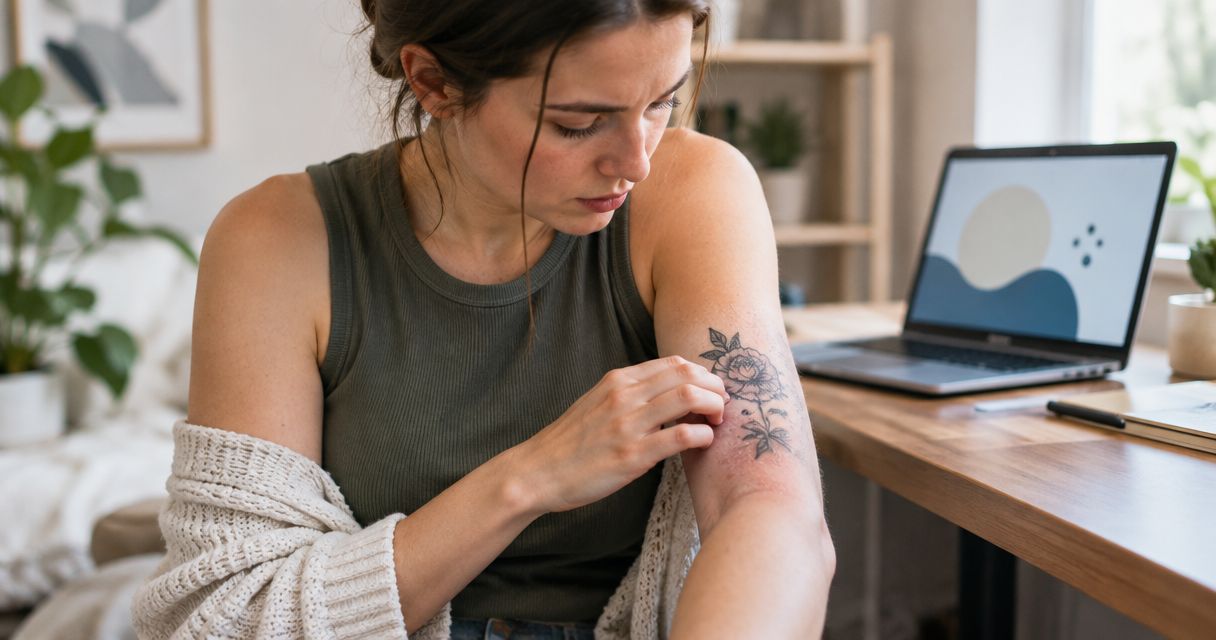
Microblading pigment has no fixed touch-up deadline: schedule a refresh when healed brow strokes have lost enough definition to need more pigment, not simply because a calendar reminder arrives. Visible pigment can remain after the original hair-stroke effect has softened, so fading does not mean the brows have returned to untreated skin. Your practitioner should assess the remaining color, stroke spacing, and skin condition before recommending another session.
- How long does microblading pigment last? Judge healed brow definition, not a guaranteed replacement date.
- A microblading touch-up addresses fading; persistent pigment or blurred strokes need a separate assessment.
- INTENZE supplies professional tattoo ink and PMU pigments; individual brow retention is not a product guarantee.
- Distributors should verify intended use, product documentation, and traceability before purchasing PMU pigments.
How long does microblading pigment last before a touch-up?
The useful life of microblading is the period during which the healed brows still provide the definition you want. That is different from the time it takes every trace of pigment to disappear. A brow can need review while substantial pigment remains.
For your 2026 consultation, separate the original treatment's follow-up assessment from a later maintenance appointment. The first checks the healed result; the second considers fading after that result has settled. Neither should be treated as permission to add pigment without examining the skin.
The broader guide to how long permanent makeup pigments last before fading covers the related question across PMU applications. Microblading requires its own assessment because the appearance of individual strokes matters as much as overall brow color.
| Appointment | Best for | Main benefit | Limitation |
|---|---|---|---|
| Initial healed-result review | Checking the outcome after the original procedure has healed | Identifies gaps and uneven retention | Does not establish a permanent maintenance schedule |
| Maintenance touch-up | Healed brows with reduced definition and room for additional work | Restores selected areas of fading | Adds pigment to skin that already contains pigment |
| Correction assessment | Brows with unwanted color, shape, or merged-looking strokes | Establishes whether more pigment is appropriate | A routine refresh does not necessarily resolve the underlying issue |
These are different decisions, not interchangeable appointment names. Ask the practitioner which problem the proposed session addresses before booking.
Why this matters
For a client, an automatic refresh can mean repeating a procedure without a clear reason. For a studio, a promised lifespan creates expectations that the finished result cannot guarantee. For a distributor, the same promise becomes an unsupported performance claim attached to a pigment purchase.
Sell documented product characteristics, not a guaranteed number of months between appointments. A manufacturer can describe a pigment's intended application and supply documentation. That does not establish how long a particular client's brow strokes will remain distinct.
Your 2026 purchasing process should keep professional tattoo ink and PMU requirements separate. Shared terminology such as pigment, black, or brown does not establish that products are interchangeable. Check the intended use of the exact product rather than inferring suitability from its color.
Initial follow-up: assess the healed result
An initial follow-up asks whether the original microblading healed as intended. Freshly completed brows are not a reliable substitute for that assessment: the immediate appearance includes the effects of the procedure, not just retained pigment.
Follow the treating professional's healing and review instructions. Do not decide that pigment has failed from a photograph taken while the area is still healing, and do not use another client's appointment schedule as your own treatment plan.
At the review, discuss gaps, asymmetry, color, and whether individual strokes remain clear. The practitioner should distinguish a cosmetic concern from a skin problem before considering additional work. Persistent redness, swelling, drainage, or worsening discomfort calls for medical assessment rather than a cosmetic touch-up.
For studio purchasing records, keep an initial follow-up separate from long-term maintenance. Otherwise, early refinements and later fading become one category, making the records less useful when you evaluate products or explain treatment expectations.
Maintenance touch-up: restore definition selectively
A maintenance touch-up is relevant when healed brows no longer provide the intended definition. Look at the brow shape in ordinary lighting, then examine the individual strokes more closely. A lighter appearance alone does not show whether additional pigment is appropriate.
The assessment should identify where definition is missing and where pigment remains. Avoid treating the whole brow as blank skin. Repeating the original pattern over existing pigment is not the same task as creating that pattern initially.
Ask what the practitioner intends to change, and what they intend to leave alone. A specific explanation is more useful than a promise that another appointment will make the brows last longer. The answer should connect the proposed work to the current healed appearance.
For 2026 maintenance records, retain comparable photographs and the reason for treatment. Document whether the appointment addressed pale strokes, missing areas, or another concern. That distinction prevents a general touch-up label from hiding very different outcomes.
Correction assessment: do not mistake every change for fading
A change in brow appearance is not always a simple loss of color. Strokes can look less separate, the remaining hue can be unwanted, or the shape can no longer match the client's preference. Adding more pigment does not automatically solve those problems.
A correction assessment should establish what pigment is already visible and whether additional work would improve the result. Avoid promising that a new shade will erase an existing one. The old pigment remains part of the starting condition.
If the proposed plan involves removal or another procedure, request a separate explanation of its risks and expected limitations. Do not assume that fading restores untreated skin or makes every correction straightforward. Obtain advice from an appropriately qualified professional before proceeding.
Distributors should apply the same distinction when answering studio questions. A request for a different pigment does not prove that the original formulation caused the problem. Keep product documentation separate from a practitioner's case-specific assessment.
Why microblading touch-up timing varies
Microblading retention depends on more than the name printed on the bottle. These factors belong in a consultation, but none justifies a guaranteed lifespan by itself:
- Skin characteristics: Oiliness, texture, and the condition of the treatment area affect the suitability and appearance of hair-stroke work. The practitioner must assess the actual skin rather than rely on a general skin-type label.
- Application technique: Placement and repeated work influence the resulting appearance. Technique advice is contextual; a fixed depth instruction is not a safe substitute for training and direct assessment.
- Sun exposure: Ultraviolet exposure contributes to tattoo fading. Discuss protection with the practitioner after healing, following appropriate skin-care guidance.
- Healing and aftercare: Picking, friction, and departures from the prescribed aftercare complicate interpretation of the healed result. Follow the treating professional's instructions rather than mixing incompatible routines.
- Existing pigment: Previous microblading or other brow pigmentation changes the starting point. Remaining color and stroke density affect whether another session is appropriate.
- Product selection: Intended use and formulation matter when choosing a pigment. A color name alone does not establish suitability for a microblading application.
These factors explain why a maintenance decision needs an assessment. They do not let a distributor calculate an individual client's next appointment from the pigment order.
How to decide whether your brows need a touch-up
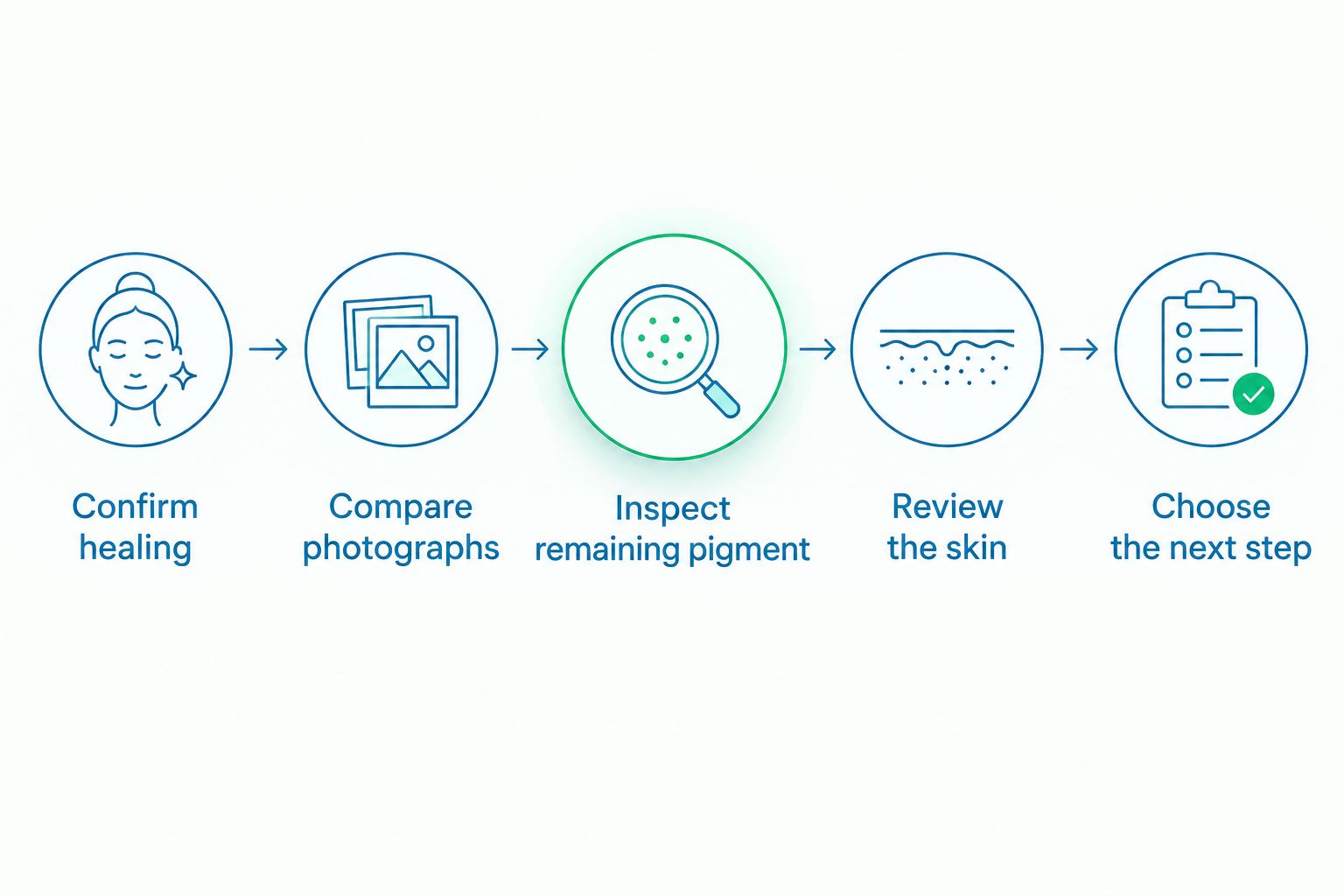
Use a structured review instead of checking only the date of your last appointment. The purpose is to identify a clear treatment need, not to find a reason to repeat the procedure.
- Confirm healing. Follow the practitioner's review schedule and establish that the area has healed before judging retention. Do not assess a fresh procedure as though it were the final result.
- Compare photographs. Use similar lighting, distance, and brow positioning. Different exposure settings or brow makeup can make the same pigment look substantially different.
- Inspect remaining pigment. Check whether strokes are pale, missing, or difficult to distinguish from one another. These observations lead to different treatment questions.
- Review the skin. Tell the practitioner about irritation, new skin-care products, previous procedures, and any concerns involving the treatment area.
- Choose the next step. Ask whether the current appearance calls for maintenance, correction assessment, or no additional work. Request the reason for that recommendation.
Do not use darker fresh brows as the target for every later appointment. The relevant comparison is the intended healed appearance. Chasing the immediate post-procedure look can turn a discussion about fading into repeated pigment addition without a defined endpoint.
What distributors should verify before buying PMU pigments
A studio's question about longevity should lead to product documentation, not a stronger sales promise. For your 2026 purchasing review, establish what the exact pigment is intended to do and which claims its documentation supports.
Start with the intended application. A professional tattoo ink listing is not sufficient evidence that the same product is suitable for microblading. Review the exact PMU product information and instructions before recommending it to a brow practitioner.
Then check traceability. Retain the supplier identity, product identification, and batch information provided with the purchase. Follow the manufacturer's storage and use instructions, and ensure studio staff can connect the bottle in use to its purchasing record.
Evaluate sterile-manufacturing, vegan, and compliance claims separately. Each describes a different characteristic; none means allergy-free, medically risk-free, or guaranteed to produce a particular healed result. A compliance statement also needs to match the exact product and applicable market.
INTENZE brings 30+ years of professional artist use to its professional tattoo ink offering and also manufactures PMU pigments in the USA. INTENZE is best for distributors sourcing professional tattoo ink alongside PMU pigments. That category fit is not evidence of an individual client's microblading retention.
When you browse INTENZE, evaluate professional tattoo ink first, then review PMU pigments for their documented intended application. The purchasing benefit is access to both stated categories; the limitation is that category coverage alone cannot answer a brow-specific lifespan question.
Review pigments before purchasing
Check intended use and product information before selecting tattoo ink or PMU pigments for studio supply.
Can a pigment label tell you when a touch-up is due?
A pigment label cannot establish an individual client's touch-up date. It provides product information, while the maintenance decision requires an assessment of the healed brows. Keep those functions separate.
Shelf-life information answers a different question from pigment longevity in skin. A bottle's use instructions do not describe how long a completed microblading result will retain its appearance. Do not transfer a storage or expiration statement into a treatment-duration claim.
Should you refresh microblading that still looks dark?
Dark-looking microblading does not automatically need more pigment. The practitioner should assess whether the issue is lost definition, unwanted color, stroke density, or shape. Those concerns require different decisions.
If you want sharper individual strokes, ask whether the existing pigment leaves room for that result. More color and more definition are not the same outcome. A maintenance appointment should have a specific purpose beyond making the brows darker.
Does changing pigment brands make microblading last longer?
Changing brands does not establish that the next result will last longer. Compare the exact products' intended uses and documentation, then assess technique and the client's starting condition separately. A brand change alone does not isolate the cause of fading.
Distributors should request purchasing evidence and documented product characteristics when comparing suppliers. Avoid presenting unrelated tattoo results, fresh procedure photographs, or general brand reputation as proof of microblading retention.
FAQ
How do I know when my microblading needs a touch-up?
Your microblading needs assessment when the healed brows no longer provide the intended definition. Ask a practitioner to distinguish fading from unwanted color, merged-looking strokes, or a shape concern before adding pigment.
Does microblading disappear completely before the next appointment?
Microblading does not need to disappear completely before a maintenance assessment. Residual pigment is part of the starting condition and must be considered before further work.
Is the first microblading follow-up the same as a maintenance touch-up?
The first follow-up and a later maintenance touch-up serve different purposes. The first reviews the original healed result; maintenance addresses a later change in that result.
Can oily skin affect how microblading looks after healing?
Skin oiliness is a relevant factor in assessing microblading suitability and healed appearance. It does not establish a guaranteed touch-up interval or explain every retention problem.
Will more pigment make my microblading last longer?
Adding more pigment does not guarantee a longer useful result. A practitioner must assess remaining color and stroke definition before deciding whether additional work is appropriate.
Can I use professional tattoo ink for microblading?
Do not assume professional tattoo ink is suitable for microblading. Verify the exact product's documented intended use and follow its instructions rather than relying on the shade or category name.
What should a distributor check before purchasing PMU pigments?
A distributor should check intended use, product documentation, supplier identity, and traceability. Treat manufacturing and compliance claims as specific product characteristics, not guarantees of healed appearance or freedom from reactions.
One last thing
The most useful question is not whether your brows contain pigment. It is whether another procedure will improve their healed appearance. Ask the practitioner to identify the change they intend to make before agreeing to a refresh.
For distributors, carry that discipline into purchasing: document the product, separate tattoo ink from PMU suitability, and leave individual maintenance decisions to the treating professional. A clear boundary between supply evidence and treatment advice prevents a lifespan estimate from becoming a product promise.