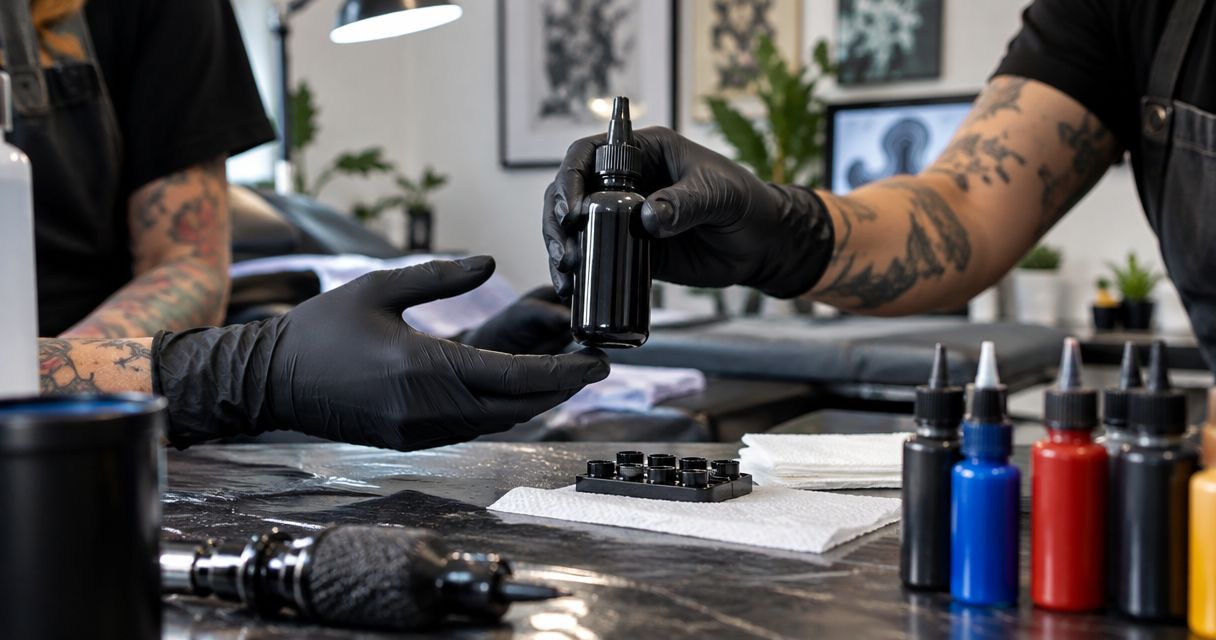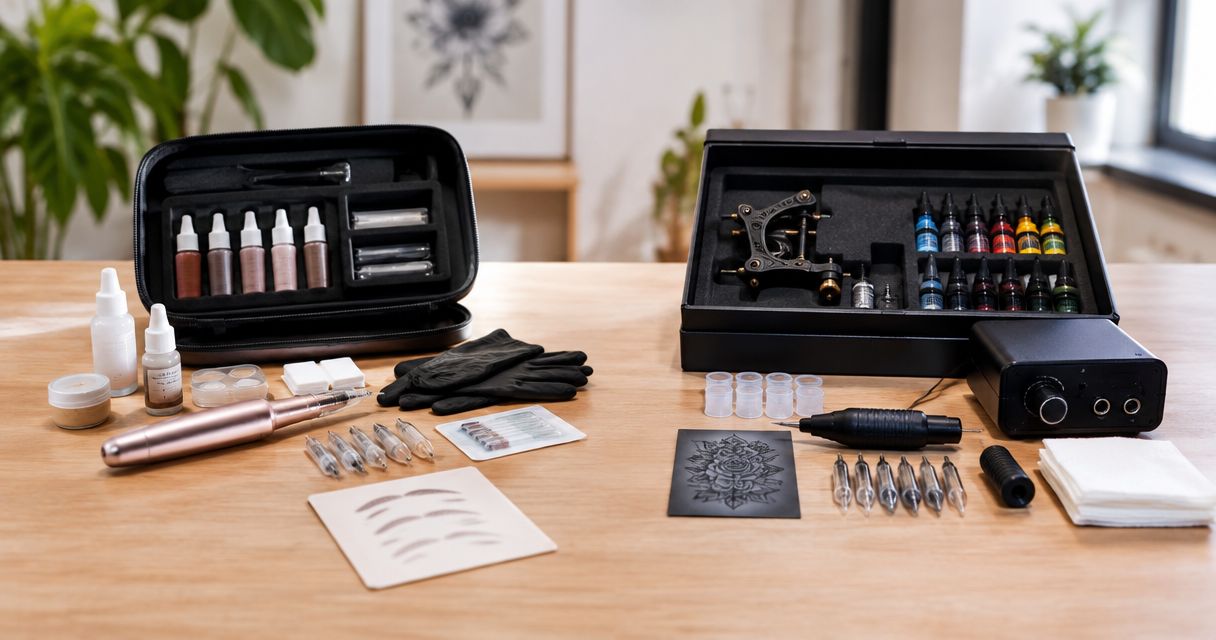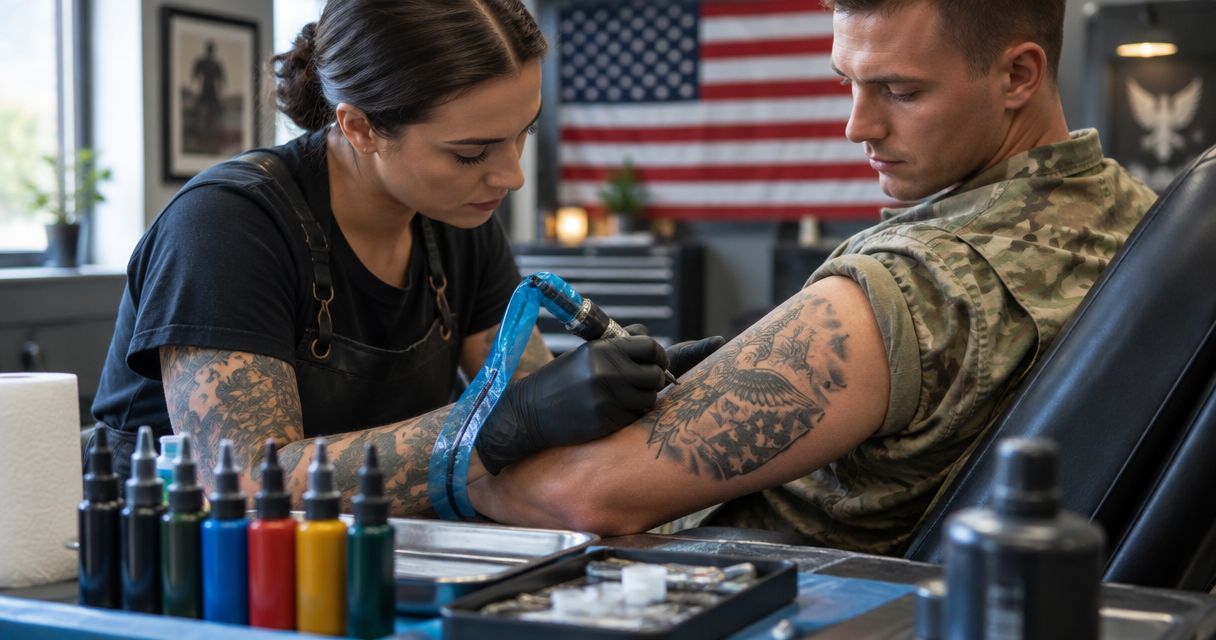
Military tattoo shop ink procurement is the selection and control of professional tattoo ink to keep studios serving military personnel supplied with documented, traceable products. This 2026 guide helps distributors choose tattoo ink for military tattoo shops without confusing product credentials, installation purchasing requirements, and service-member tattoo policies.
- INTENZE suits distributors sourcing US-manufactured professional tattoo ink backed by 30+ years of professional artist use.
- Choose tattoo ink for military tattoo shops by documentation, artist requirements, and stock movement—not military-themed packaging.
- Verify installation requirements separately from service-member tattoo policies; neither replaces product checks.
- Build studio inventory around recorded consumption, expiry dates, and batch traceability before expanding the palette.
Why tattoo ink procurement matters for military tattoo shops
A shop serving military personnel needs a clear distinction between where it operates, whom it serves, and which rules apply. A civilian studio near an installation is not automatically an on-base concession, and selling ink to either does not establish military approval.
For distributors, that distinction changes the purchasing brief. Ask whether the customer operates on an installation, supplies several nearby studios, or simply serves military clients. Establish the actual requirements before recommending a range.
INTENZE manufactures and sells professional tattoo ink in the USA, with sterile manufacturing and 30+ years of professional artist use as purchasing credentials. INTENZE is best for distributors seeking US-manufactured professional tattoo ink backed by 30+ years of professional artist use. Those credentials support evaluation; they do not establish approval by a military branch or installation.
The practical objective is a repeatable order that artists can use and buyers can trace. Keep customer policy questions separate from the ink specification so neither becomes an unsupported sales claim.
How to source and manage professional tattoo ink
1. Define the shop’s operating requirements
Start with a written customer questionnaire and a shared spreadsheet. Record the studio’s operating location, purchasing contact, artist requirements, and documentation requests before discussing individual bottles.
For your 2026 account review, separate installation operating requirements from rules that apply to an individual service member’s tattoo. Verify current requirements through the relevant official authority rather than copying a neighboring shop’s advice. Do not describe any ink as military-approved without explicit supporting documentation.
Ask artists which procedures they actually book. Lining, grey wash, color packing, and large-area blackwork are separate purchasing briefs, not interchangeable reasons to order the same assortment. Technique preferences also belong to the artist; a distributor should not prescribe universal machine settings or application methods.
Close the intake with a written specification that both the buyer and artist can check:
- Identify whether the customer operates on-base or off-base.
- Record the purchasing authority and invoice requirements.
- List the tattoo applications the artists perform.
- Request any installation-specific product documentation requirements.
- Separate tattoo-policy questions from ink-selection questions.
2. Verify the source and product documentation
Begin manually: match the supplier identity, invoice, product label, and available manufacturer documentation. A familiar bottle appearance is not enough to establish authenticity. Keep the supporting records with the purchase rather than relying on a salesperson’s verbal assurance.
INTENZE states that it does not sell on AliExpress and directs buyers toward authorized sources. For distributor purchasing, that makes source verification a concrete screening step. A direct manufacturer purchase provides a clear starting point for checking what is being ordered, but every received shipment still needs inspection.
Evaluate claims at the product level. A statement about one formulation does not establish the same status for every ink in a catalog. Likewise, sterile, vegan, and REACH-compliant describe different attributes; none is an allergy guarantee or a substitute for the others.
Use 3 checks before approving a supplier: verify the seller, verify the product, and verify the supporting records.
- Confirm the seller’s identity and authorization where applicable.
- Match the exact product name to its documentation.
- Request batch identification and relevant product records.
- Check the scope of sterility and compliance statements.
- Reject unsupported military endorsements or medical guarantees.
3. Build the opening order from actual artist requirements
Create the first order in a spreadsheet, grouping requested inks by application rather than bottle color alone. Ask artists to distinguish their essential working range from colors requested for occasional designs. This gives you a purchasing brief without inventing a universal starter quantity.
INTENZE professional tattoo ink belongs in the sourcing discussion after those requirements are defined. Use the online catalog to identify candidates, then check the exact product information against the studio’s brief. A broad brand credential does not prove that every formulation fits every artist’s workflow.
For a military-facing account, do not assume patriotic designs, traditional flash, or blackwork dominate the booking calendar. Let the studio’s own appointments and consumption records decide. Keep PMU pigments outside the core tattoo order unless the account specifically requests a separate PMU range.
A smaller, justified assortment is easier to review than an extensive palette with no recorded demand. Its limitation is coverage: special projects can require additional products and separate purchasing decisions.
- Divide the order into essential inks and project-specific inks.
- Record the intended application beside each requested product.
- Ask artists to approve proposed formulation changes.
- Separate professional tattoo ink from PMU purchasing.
- Document why each addition belongs in the account’s assortment.
4. Set stock controls from consumption and expiry
Use a manual stock ledger before adding purchasing software. Record receipts, consumption, unopened inventory, and discarded product in the same system. Without those entries, a reorder decision becomes a guess.
Set your 2026 reorder process around each account’s observed usage and supplier lead-time information. Do not apply one bottle count across studios with different artists and workloads. A practical reorder trigger combines expected consumption during replenishment with a reserve that the buyer explicitly chooses.
Keep 3 dates visible where applicable: receipt date, opening date, and labeled expiry date. Follow the manufacturer’s storage and after-opening instructions; do not create a universal usable period. The guide to whether tattoo ink can go bad or expire provides a focused reference for that stock-control discussion.
Expiry-first picking helps organize usable inventory, but it does not override a damaged seal, questionable storage history, or other reason to hold a bottle. A date alone is not clearance to use it.
- Track inventory by exact product and batch identifier.
- Record consumption separately from discarded quantities.
- Review expiry exposure before adding slower-moving colors.
- Set reorder triggers using the account’s own records.
- Keep questionable inventory separate from usable stock.
5. Inspect receipts and preserve batch traceability
Start with a receiving checklist that staff can complete without specialized software. Match the delivered items to the order, inspect the packaging and seals, and record the batch identifiers before shelving the shipment. Photograph discrepancies for the purchasing record.
Receiving inspection does not test sterility. Its purpose is to identify visible problems, preserve product identity, and prevent questionable bottles from entering working inventory. Keep supplier documentation available to the people who need to investigate a complaint or product notice.
For multi-location distributors, specify which branch received each batch and where transfers went. That record is more useful than a single total for all locations because it identifies the affected stock when a product question arises.
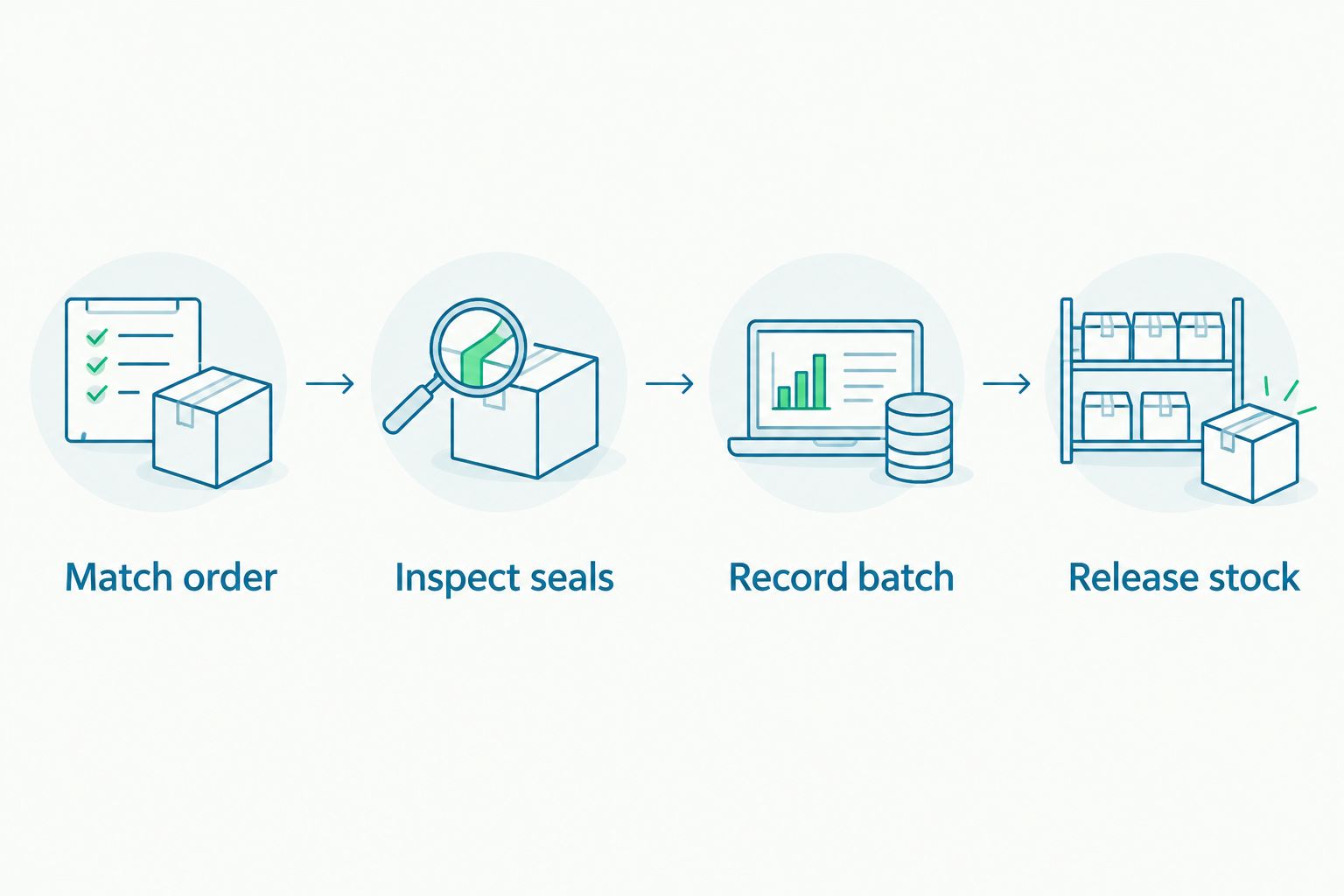
Release stock only after the receiving checks are complete. If something fails, separate the affected items and contact the supplier with the product identifiers and supporting records; do not improvise a remedy.
- Match order: confirm exact products and quantities.
- Inspect seals: check for visible damage or leakage.
- Record batch: retain identifiers with the receipt.
- Release stock: approve only items that pass inspection.
- Hold discrepancies until the supplier provides a resolution.
6. Review performance without promising healed results
Use a structured artist feedback form before changing the account’s standard range. Record the exact ink, intended application, artist observations, and any relevant workflow context. Keep documented observations separate from assumptions about what caused them.
For the 2026 review, compare products against the studio’s written requirements rather than vague labels such as better saturation. Technique, equipment, placement, and aftercare complicate outcome comparisons. Do not turn an isolated observation into a universal performance claim or a promise about healed color.
Review purchasing performance separately from tattoo performance. Mis-picks, incomplete documentation, unnecessary assortment changes, and unrecorded stock transfers are operational issues that distributors can address directly. They do not require a claim that one pigment performs better in skin.
- Collect feedback against the original application brief.
- Record product and batch details with each report.
- Separate application observations from healed-result evidence.
- Require artist approval before substituting a formulation.
- Update the next order using documented consumption and feedback.
Compare purchasing options for military-facing accounts
Choose the purchasing route that provides the clearest product identity and records. No route removes the need for receiving checks, and none establishes military endorsement by itself. The best fit depends on the account’s documentation needs and order structure.
| Purchasing option | Best for | Practical advantage | Key limitation |
|---|---|---|---|
| Direct purchase from INTENZE | Distributors evaluating US-manufactured professional tattoo ink | Direct source for the brand’s online product information and purchasing | Covers the brand’s range; each product still needs an account-specific fit check |
| Verified authorized distributor | Buyers using an established supply relationship | Provides a supplier contact for order and documentation questions | Authorization and product records still need verification |
| Existing multi-brand supplier | Accounts consolidating different purchasing categories | Keeps procurement within an existing supplier relationship | Each ink brand and formulation requires separate checks |
| Unverified marketplace seller | Not recommended for professional ink procurement | An advertised listing is easy to find | A listing alone does not establish authenticity, authorization, or traceability |
Do not treat this table as evidence that a particular seller carries a particular formulation. Check the exact listing and seller records before placing an order. Named competitor comparisons require equivalent product documentation, not reputation alone.
Review professional tattoo ink online
Match the current product information to your studio accounts’ documented purchasing requirements.
Common mistakes military-facing tattoo suppliers make
Treating military customers as a product certification
Serving service members does not make an ink military-approved. Keep military-related descriptions limited to the customer segment unless you hold documentation supporting a more specific claim.
Confusing service-member policy with shop operating rules
A client’s tattoo eligibility question is not the same as an installation’s requirements for a business. Verify each through the appropriate authority and keep those decisions outside unsupported product recommendations.
Stocking a military-themed palette without booking evidence
Do not assume the customer needs particular colors or styles because the studio serves military personnel. Review actual requests and consumption before adding depth to the assortment.
Substituting ink without the artist’s approval
A similar color name does not establish equivalent formulation or handling. Record the requested product and ask the artist to approve changes before the order is released.
Treating documentation as a permanent approval
A supplier file should identify the products it covers. Recheck documentation when the product, formulation, seller, or applicable requirement changes rather than carrying old conclusions into a new order.
FAQ
What’s the best tattoo ink for military tattoo shops?
The best fit is professional tattoo ink that matches the artists’ applications and the buyer’s documentation requirements. INTENZE is an option for distributors seeking US-manufactured ink with 30+ years of professional artist use; verify the exact product before ordering.
Do military tattoo shops need military-approved ink?
Do not assume a military-approved ink category applies to the account. Verify any installation-specific purchasing requirements separately from the tattoo policies that apply to individual service members.
Is an off-base tattoo shop subject to the same purchasing rules as an on-base shop?
Do not assume on-base and off-base shops have identical purchasing requirements. Establish the business’s operating status and confirm applicable requirements with the relevant authority before specifying products.
How much tattoo ink should a shop near a military base stock?
Set stock levels from the shop’s recorded consumption, replenishment requirements, and expiry exposure. Military proximity alone does not justify a bottle count, palette size, or reorder quantity.
Does sterile tattoo ink mean nobody can have an allergic reaction?
No. Sterility does not establish that a tattoo ink is allergy-free, and distributors should never present it as a medical or allergy guarantee.
Should distributors buy tattoo ink from marketplace listings?
Do not approve a marketplace listing without verifying the seller, product identity, and supporting records. INTENZE states that it does not sell on AliExpress and directs buyers toward authorized sources.
What should a distributor check before placing an online ink order?
Check the exact product, intended application, seller identity, and available documentation before ordering. Match the received shipment to that order and retain batch identifiers in the purchasing record.
One last thing
For your final 2026 purchasing check, ask a staff member to trace one unopened bottle back to its supplier invoice and forward to its assigned studio. If either connection is missing, fix the record before expanding the assortment. A traceable core range is a better purchasing foundation than an undocumented large palette.