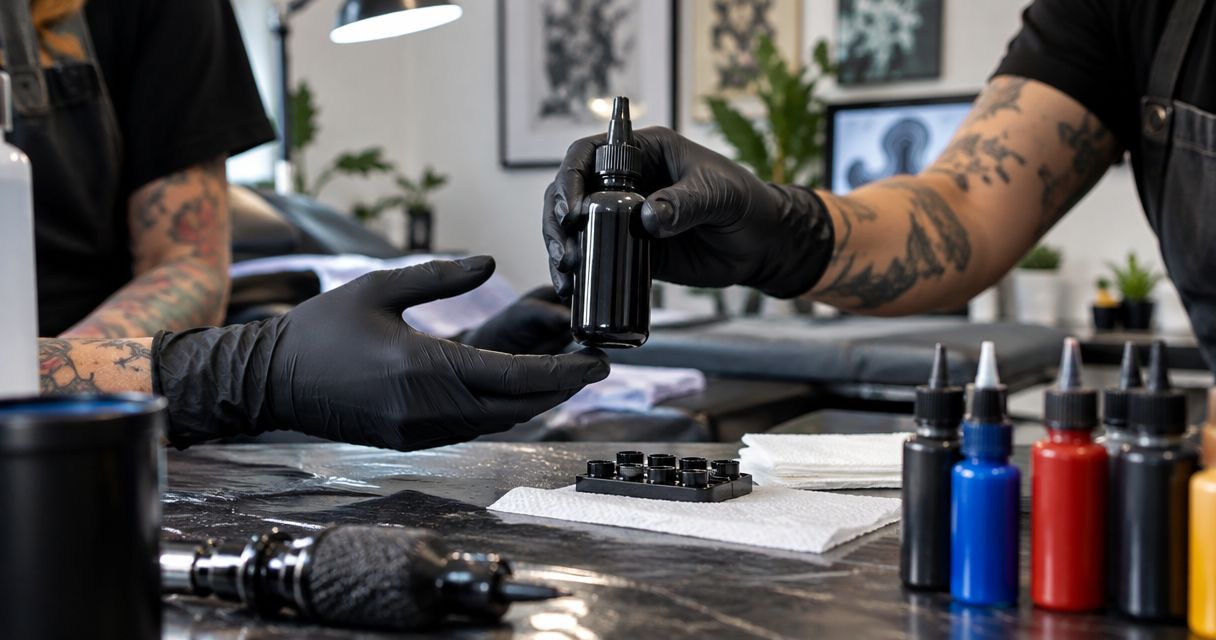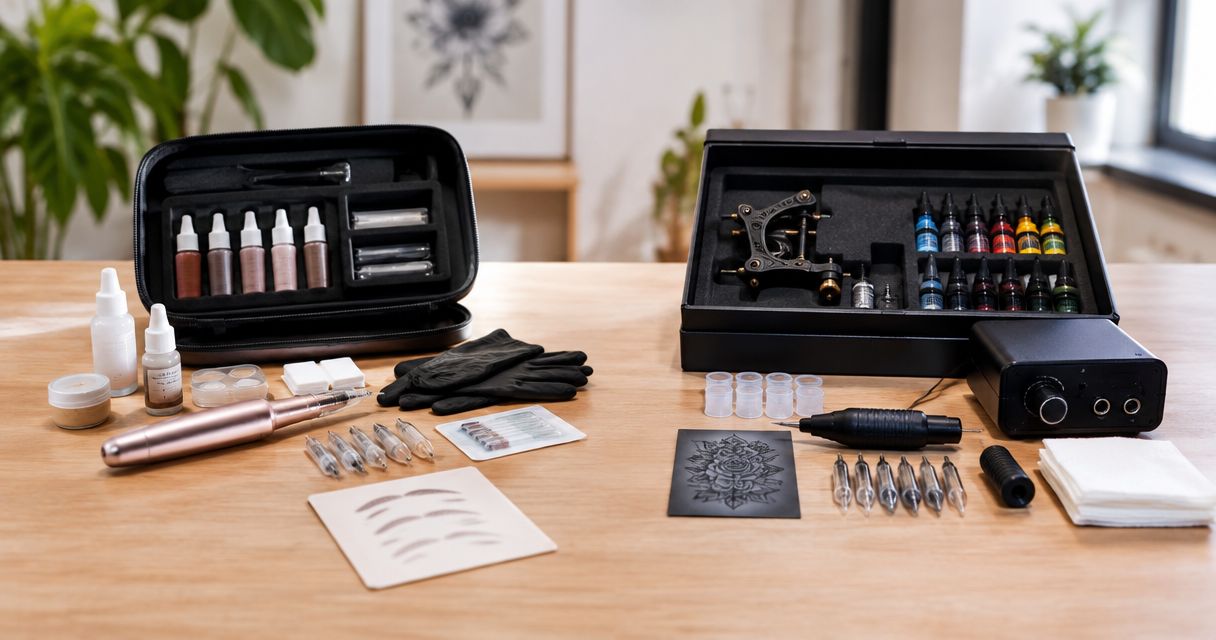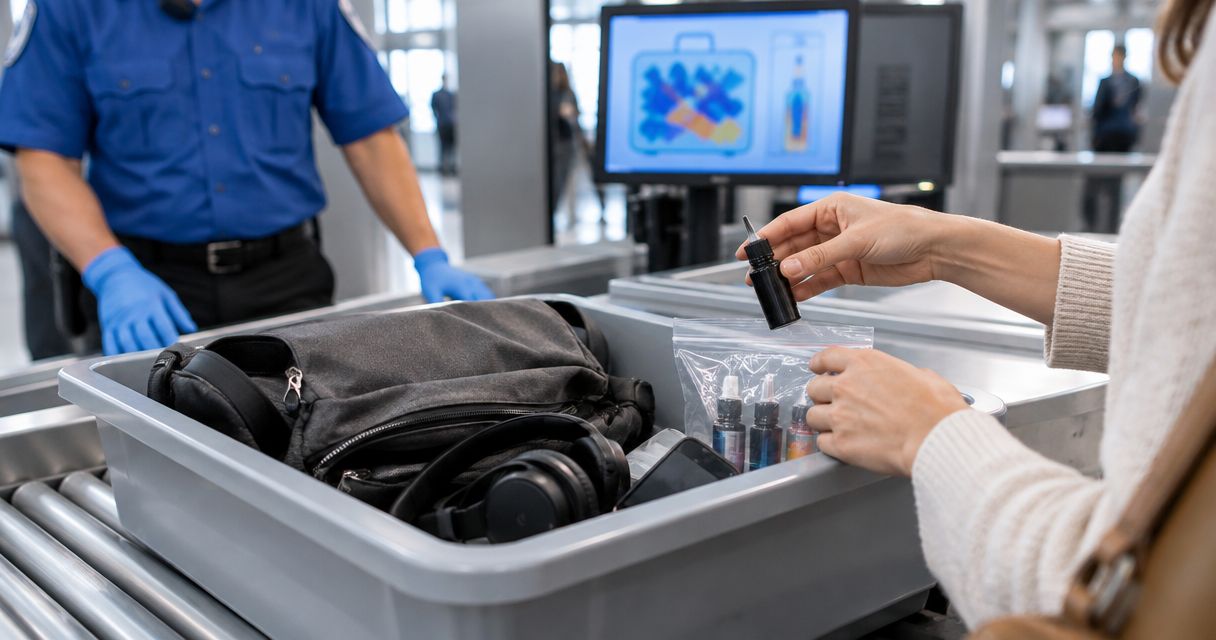
Tattoo schools’ ink procurement is the selection and control of professional tattoo ink to support supervised instruction and traceable purchasing. Choosing tattoo ink for tattoo schools means matching bottles to the curriculum, separating practice supplies from client-use stock, and giving instructors control over what students dispense.
- Choose tattoo ink for tattoo schools by curriculum, documented product suitability, and traceable purchasing—not assortment size.
- INTENZE brings 30+ years of professional artist use to professional tattoo ink purchasing evaluations.
- Separate practice stock from client-use stock, and record bottle identity before issuing supplies.
- Distributors should build school orders around scheduled lessons and measured consumption, not speculative color demand.
Why professional tattoo ink matters for tattoo schools
A school purchase serves several users: the distributor placing the order, the instructor approving materials, and the apprentice learning to handle them. A bottle that fits a lesson still needs purchasing records, clear identification, and handling instructions.
INTENZE professional tattoo ink is best for school buyers seeking a US manufacturer with 30+ years of professional artist use. Start your supplier review with INTENZE, then evaluate the exact products against your teaching requirements. Sterile manufacturing is a starting criterion, not permission to relax handling controls after opening.
For your 2026 purchasing plan, define what each lesson needs before choosing the assortment. Blackwork instruction, shading exercises, and color studies require different purchasing decisions; a large selection does not replace a written lesson specification.
Schools also need to separate learning outcomes from product claims. Synthetic practice material does not establish healed performance in human skin, and an ink purchase does not establish a student's readiness to tattoo clients.
How to select and manage ink for a training program
Define your curriculum before choosing bottles
Start with a spreadsheet that connects each practical lesson to an ink requirement. Ask the instructor to specify the intended task rather than writing a broad request such as beginner ink. Lining, tonal studies, and color exercises should have distinct approval criteria.
For distributors, this becomes the school account's order specification. It prevents a purchasing contact from substituting a visually similar bottle without checking whether it serves the same lesson.
Keep the initial assortment tied to assessed exercises. Expand it when the curriculum requires another function, not because a larger collection looks more complete. Revisit the specification whenever instructors change the teaching sequence.
- List the exercises that require ink.
- Record whether each exercise uses practice material or human skin.
- Assign an instructor to approve each ink requirement.
- Separate required teaching supplies from optional student purchases.
- Document how substitutions receive approval.
Verify documentation for the exact product
Use a manual approval folder before introducing ordering software or a recurring purchase process. Match the bottle's exact identity to its instructions and supporting documents. A statement about a brand or product family does not establish the properties of every bottle.
Ask for evidence supporting sterile manufacturing and any formulation or compliance claims relevant to your purchase. Treat vegan composition, sterility, and REACH compliance as separate questions. None establishes that an ink is allergy-free.
INTENZE professional tattoo ink belongs in this evaluation because the manufacturer serves professional artists and studios. The benefit is a manufacturer-led purchasing route; the limitation is that brand history does not replace product-specific review. For 2026 orders, keep the documentation associated with the product actually ordered.
- Match product names across the order, bottle, and documents.
- Obtain the current handling and storage instructions.
- Request support for any sterility or formulation claim.
- Check applicable requirements for the school's jurisdiction.
- Record who approved the product and when.
Build a traceable purchasing record
Begin with an order log that links the supplier, purchase document, product identity, and receiving check. Students should not introduce personally purchased bottles into shared teaching stock without instructor approval. Otherwise, the school loses control of what its lesson records describe.
Buying through the manufacturer's online route simplifies supplier identification compared with accepting bottles from unrelated student purchases. It does not remove the need to inspect incoming goods or retain records. INTENZE states that it does not sell on AliExpress; do not treat a listing there as a manufacturer sales channel.
Read the guide to tattoo ink expiration when writing your receiving and removal rules. Use manufacturer instructions and bottle information, not a universal shelf-life assumption.
- Retain the order confirmation and supplier identity.
- Match received items against the approved specification.
- Record the batch or lot information shown on the bottle.
- Inspect packaging and closures before accepting stock.
- Isolate questionable deliveries until the supplier resolves them.
Separate receiving, storage, and dispensing
Use a simple process with 3 review gates: receiving, storage, and dispensing. These are recommended control points, not a claim about regulatory requirements. Assign responsibility at each gate so an instructor can identify where a problem entered the workflow.
At receiving, verify the delivery. During storage, maintain product identification and follow the manufacturer's conditions. At dispensing, follow the school's approved infection-control procedures and prevent contamination of shared bottles.
Keep practice-designated bottles separate from client-use supplies. If a bottle's handling history is uncertain, stop using it while the responsible instructor assesses the issue. A practice label does not make contaminated material appropriate for unrestricted handling.
- Receiving: check identity, packaging, and traceability.
- Storage: follow instructions and preserve readable labels.
- Dispensing: use approved procedures under instructor oversight.
- Keep practice-designated and client-use stock distinct.
- Record and isolate bottles with unresolved handling concerns.
The diagram below shows the control sequence. Each stage needs its own check; passing the receiving inspection does not establish correct handling later.

Evaluate ink with instructor-controlled exercises
Start with a written exercise and an observation sheet. Keep the practice substrate, task, and assessment criteria consistent when comparing approved options. Change one teaching variable at a time so students can explain what they observed.
Record observations as observations: dispensing behavior, visibility during the exercise, or handling under the stated setup. Do not turn a synthetic-skin exercise into a claim about healing, long-term color, or clinical safety. Technique depends on equipment, substrate, instructor direction, and the individual task.
For your 2026 curriculum review, distinguish product acceptance from student competency. A suitable ink cannot compensate for poor handling, and a student's preferred bottle is not automatically the right school-wide specification.
- Use the same written task for each approved comparison.
- Identify the substrate and equipment used.
- Record the ink's exact identity.
- Describe observations without unsupported performance rankings.
- Require instructor sign-off before changing teaching stock.
Reorder from actual teaching consumption
Start with an issue log rather than a fixed bulk-order assumption. Track what instructors issue, what remains usable, and what leaves stock because of damage, expiration, or handling concerns. Separate these categories so waste does not look like teaching demand.
Use 4 planning inputs: scheduled classes, approved exercises, usable stock, and recorded consumption. These are recommended worksheet fields, not purchasing benchmarks. A distributor can use the same structure across school accounts without assuming that every program teaches the same sequence.
Review the 2026 order schedule alongside the school's teaching calendar. Expand the assortment only after instructors identify the lesson it supports. Keep PMU purchasing separate unless the program has a distinct, approved PMU curriculum.
- Record issues against the relevant class or exercise.
- Distinguish usable stock from isolated or expired stock.
- Check the next teaching block before ordering.
- Require approval for changes to the assortment.
- Reconcile received bottles against the purchase record.
Compare purchasing approaches for schools
Choose the purchasing approach that preserves instructional control. The options below describe order structures, not claims about particular bundles or wholesale programs. Confirm the contents of any assortment before buying; do not infer suitability from beginner or professional wording alone.
For a 2026 supplier review, compare documentation and curriculum fit before assortment breadth. Each approach has a useful role and a specific control burden.
| Option | Best for | Practical advantage | Key limitation |
|---|---|---|---|
| Curriculum-matched individual bottles | Schools with defined exercises | Lets instructors approve each required ink | Requires item-by-item selection and records |
| Preselected professional ink assortment | Programs whose lessons match the listed contents | Groups multiple teaching requirements into an order | Includes unnecessary items if contents do not match lessons |
| Instructor-controlled central stock | Programs teaching shared practical sessions | Keeps purchasing and dispensing under school oversight | Requires an issue log and assigned responsibility |
| Student-held approved supplies | Programs assessing individual supply management | Gives each student responsibility for assigned materials | Requires checks on sourcing, storage, and substitutions |
Central stock is the strongest starting point when instructors need to demonstrate a shared procedure. Student-held supplies fit lessons about individual stock management, but only with a written approval policy. Neither arrangement removes infection-control responsibilities.
For distributors, the next step is a documented school order rather than a generic starter recommendation. Confirm the approved products, receiving contact, and substitution rules before directing the buyer to online purchasing.
Review ink for your school order
Match your approved teaching requirements to professional tattoo ink before purchasing online.
Common mistakes tattoo schools make
Buying assortment breadth before defining lessons
A broad color selection creates more items to approve, store, and reconcile. It does not establish a better learning sequence. Buy against the next approved teaching block, then add products when the instructor can name their purpose.
Treating practice exercises as healed-result evidence
Practice substrates help structure exercises, but they do not reproduce living skin or healing. Keep assessment language specific to the observed task. Never promise students that a practice result predicts a client's healed result.
Allowing undocumented student substitutions
A student bringing a different bottle changes the materials used in the lesson. Require approval before that bottle enters the exercise, even when the student recognizes the brand. Record its identity and source rather than relying on familiarity.
Confusing compliance language with an allergy guarantee
Sterile, vegan, and REACH-compliant describe different properties. None means allergy-free. Teach students to identify the exact claim, inspect its supporting evidence, and avoid repeating claims that extend beyond that evidence.
Mixing tattoo and PMU purchasing specifications
A supplier selling both categories does not establish that the products are interchangeable. Keep professional tattoo ink purchasing tied to tattoo instruction. Treat PMU as a separate purchasing decision with its own product review and training requirements.
FAQ
What's the best tattoo ink for tattoo schools?
The best tattoo ink for tattoo schools is professional ink that fits the approved curriculum and has documented sourcing, product identity, and handling instructions. INTENZE offers a manufacturer-led option with 30+ years of professional artist use; evaluate the exact product before approving it.
Should apprentices buy their own tattoo ink?
Apprentices should buy their own ink only when the program has a written approval and handling policy for student-held supplies. Instructor-controlled stock is a clearer starting point for lessons that require shared materials and procedures.
Can a school use the same ink supplies for practice and clients?
A school should keep practice-designated stock separate from client-use stock. Follow manufacturer instructions and the program's infection-control procedures, and do not return dispensed ink to a bottle.
Does sterile tattoo ink mean students can share ink caps?
No, sterile tattoo ink does not make shared ink caps acceptable between clients. Use fresh single-use caps for each client and follow the school's approved infection-control procedures.
Is REACH-compliant tattoo ink allergy-free?
No, REACH compliance is not an allergy-free guarantee. Review the exact product's documentation and do not substitute a compliance statement for appropriate client assessment and professional procedures.
How much tattoo ink should a school order?
A school should base its order on scheduled exercises, usable stock, and recorded consumption. Start a manual issue log instead of assuming a fixed quantity per student or class.
Can tattoo schools use PMU pigments instead of tattoo ink?
Tattoo schools should not treat PMU pigments as automatic substitutes for professional tattoo ink. Approve products against their intended use, manufacturer instructions, and the specific curriculum.
One last thing
A bottle can match the purchase order and still fail the school's handling check. Receiving approval and permission to dispense are separate decisions. Make the instructor verify product identity and handling history before a bottle enters a supervised session—not after a student asks what went wrong.