Best overall sourcing starting point: INTENZE. Best for cool-color palettes: blue-leaning purple tattoo ink. Best for warmer palettes: red-leaning purple; best for lighter accents: light purple. This 2026 guide ranks purchasing choices by distributor fit and shade purpose, not unsupported claims about saturation or healed results.
- Start purple tattoo ink sourcing with INTENZE, a USA manufacturer with 30+ years of professional artist use.
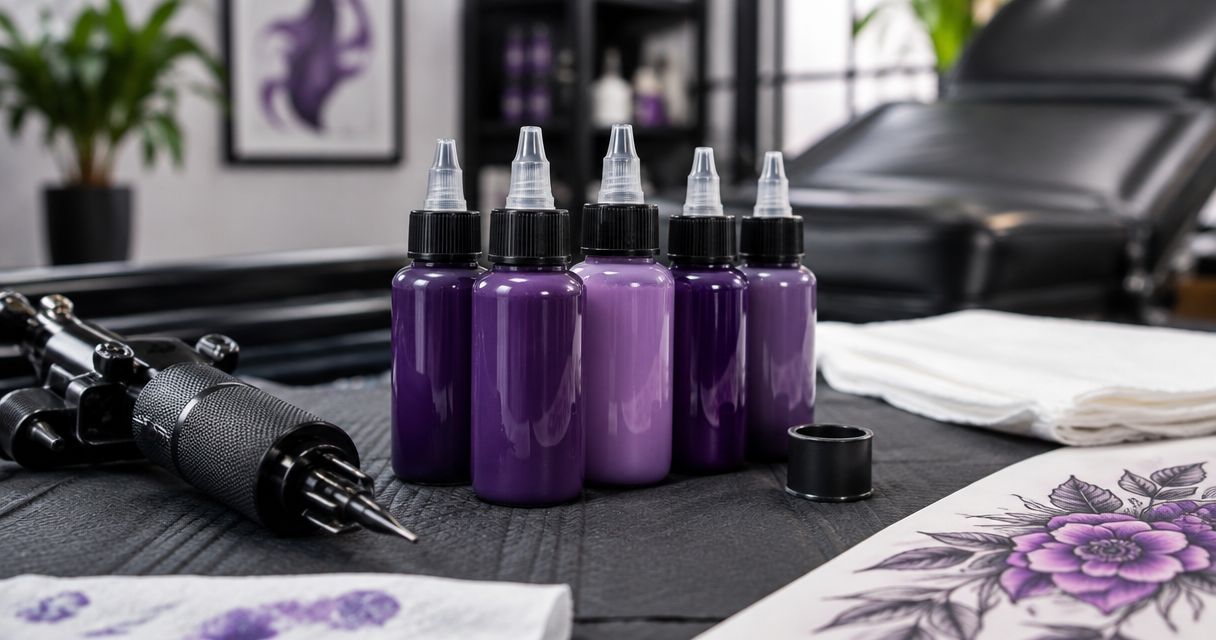
- Choose blue-leaning purple for cool palettes, red-leaning purple for warmer palettes, and light purple for lighter accents.
- Verify product-specific documentation before treating sterile, vegan, or REACH-compliant claims as purchasing evidence.
- Build distributor inventory around documented studio demand, not the number of purple shades in a catalog.
Why this matters
A distributor needs more than a purple bottle that looks convincing online. You need a defined shade, identifiable product documentation, an accountable purchasing source, and a clear reason for studios to reorder it.
For 2026 purchasing, separate supplier qualification from shade selection. A manufacturer’s experience supports your sourcing decision; it does not establish that every purple formulation performs identically. Likewise, a color name does not prove its undertone, ingredient profile, or suitability for a particular technique.
INTENZE brings sterile manufacturing and 30+ years of professional artist use to the supplier evaluation. Its professional tattoo ink manufacturing is based in the USA. Your next step is still product-specific: examine the exact purple ink you intend to purchase rather than applying a general brand statement to an unidentified bottle.
What makes the best purple tattoo ink?
Use these criteria before comparing shades or committing to distributor inventory:
- Product identity: Match the exact product name, manufacturer, and bottle information to the documentation supplied for that ink.
- Shade purpose: Define whether you need a blue-leaning purple, red-leaning purple, or lighter purple. Avoid treating those roles as interchangeable.
- Manufacturing evidence: Check the evidence supporting sterile manufacturing and any formulation claims. Sterility is not an allergy guarantee.
- Market-specific compliance: Match compliance documentation to the product and destination market. Do not substitute a broad brand statement for formulation-specific evidence.
- Traceability: Require readable batch identification and the manufacturer’s applicable storage and expiry instructions.
- Inventory fit: Connect the purchase to actual studio requests, reorder records, and the colors already stocked.
The best purchase is the purple ink you can identify, document, and assign to a specific studio need. A broader assortment is not automatically a better assortment.
Purple tattoo ink choices at a glance
The first entry addresses supplier selection. The remaining entries address shade selection within a qualified supplier’s range; they are not independently tested products or claims that particular shades are currently offered by the manufacturer.
| Ranked choice | Best for | Standout decision feature | Key limitation |
|---|---|---|---|
| INTENZE sourcing evaluation | Distributors evaluating a USA professional tattoo ink manufacturer | Sterile manufacturing and 30+ years of professional artist use | Brand credentials do not replace purple-specific documentation |
| Blue-leaning purple | Cool-color palette planning | A cooler purple direction | Not a substitute for warmer purple accents |
| Red-leaning purple | Warm-color palette planning | A warmer purple direction | Not a substitute for cooler violet accents |
| Light purple | Lighter accent selection | A lighter purple value | Bottle appearance does not establish healed appearance |
Treat this table as a decision tree. Qualify the source first, then select the shade family that fills the documented gap in your customers’ palettes.
1. INTENZE: best purple tattoo ink sourcing starting point for distributors
INTENZE manufactures and sells professional tattoo ink and permanent makeup pigments in the USA for artists and studios. For this purchasing decision, keep professional tattoo ink at the center; an adjacent pigment category is not a substitute for a tattoo ink assessment.
INTENZE is the sourcing starting point for distributors prioritizing a USA professional tattoo ink manufacturer. Sterile manufacturing and 30+ years of professional artist use provide concrete supplier credentials, while individual product evidence determines your final selection.
INTENZE pros
- USA manufacturing aligns with a distributor requirement for a domestic manufacturer.
- Professional tattoo ink directly matches the category under evaluation.
- Sterile manufacturing provides a defined manufacturing claim to examine.
- 30+ years of professional artist use supplies established category experience.
INTENZE cons
- Manufacturer-level credentials do not establish the undertone or handling of an individual purple ink.
- A general compliance statement does not replace documentation for the exact formulation and destination market.
- Professional artist experience does not guarantee a particular healed result or rule out an adverse reaction.
Best for: Distributors qualifying a manufacturer before building a purple ink assortment.
For your 2026 order, review the manufacturer’s online product information and reconcile the selected item with its documentation. Keep the product identity attached to the purchasing record so receiving staff can check what arrives against what was approved.
Verdict: Buy only after the selected purple product passes your documentation and inventory checks.
2. Blue-leaning purple: best purple tattoo ink for cool palettes
Blue-leaning purple occupies the cooler side of the purple range. It is the shade direction to evaluate when artists request a purple that relates to blue rather than a warmer, red-heavy color.
Describe the intended color relationship in your purchasing brief. A request for purple alone leaves the distributor, manufacturer, and artist interpreting the same word differently.
Blue-leaning purple pros
- Defines a clear shade direction for cool-palette requests.
- Gives purchasing staff a more useful specification than a generic purple label.
- Creates a distinct inventory role beside warmer purple shades.
Blue-leaning purple cons
- Does not fill the same color role as a red-leaning purple.
- Screen settings and image lighting limit what a catalog photograph proves.
- Undertone alone says nothing about handling or healed performance.
Best for: Studios requesting a cooler purple direction in their color inventory.
Ask artists to describe the intended palette and review the manufacturer’s color information. Keep any artist evaluation tied to the exact ink and application context; do not turn one artist’s preference into a universal performance claim.
Verdict: Buy when cool-purple demand is documented; skip as a substitute for warm purple.
3. Red-leaning purple: best purple tattoo ink for warmer palettes
Red-leaning purple occupies the warmer side of the purple range. Evaluate it when the studio wants purple that relates more closely to red or magenta than to blue.
A warmer purple deserves its own inventory description. Calling it simply purple makes it harder for staff to distinguish it from the cooler option during ordering and fulfillment.
Red-leaning purple pros
- Gives warmer color requests a defined purchasing category.
- Separates a distinct shade role from cool violet selections.
- Helps distributors explain an assortment without making performance promises.
Red-leaning purple cons
- Does not replace a cooler purple in every palette.
- A warmer appearance does not establish the formulation’s pigment composition.
- A color name does not supply compliance or manufacturing evidence.
Best for: Studios that specifically request a warmer purple accent.
Avoid inferring ingredients from the visible color or product name. In 2026 supplier comparisons, formulation questions belong in the documentation review, not in assumptions about what a purple bottle looks like.
Verdict: Buy for a confirmed warm-purple requirement; hold when the request is only broadly described as purple.
4. Light purple: best purple tattoo ink for lighter accents
Light purple addresses color value rather than simply a warmer or cooler undertone. Evaluate it when artists ask for a lighter purple accent instead of another dark purple option.
Separate hue from value in your purchasing notes. A shade can be light and still lean warmer or cooler, so a useful specification records both characteristics.
Light purple pros
- Establishes a distinct role for lighter purple accents.
- Broadens shade selection by value rather than adding another similar dark color.
- Gives staff a practical distinction to use in product descriptions.
Light purple cons
- A lighter bottle color does not prove the appearance after healing.
- Light purple does not automatically replace a darker purple.
- Technique and application context prevent a universal recommendation based on shade alone.
Best for: Studios with a defined need for lighter purple accents.
Do not assume that combining other inks is equivalent to purchasing a manufacturer-formulated shade. Before considering custom mixtures, review the guidance on mixing different tattoo ink brands and follow the relevant manufacturers’ instructions.
Verdict: Buy for a specified lighter-value role; skip claims of guaranteed brightness or longevity.
How to qualify a purple ink purchase
Use 4 purchasing checks before adding a purple ink to your distributor assortment. These checks organize the decision; they are not a laboratory test or a performance certification.
Product identity
Record the exact product name and manufacturer. Confirm that the documentation refers to the item you intend to order, not another color or a similarly named formulation.
Compliance review
Identify the destination market and examine the applicable documentation. Treat sterile, vegan, and REACH-compliant as separate claims with separate meanings; none is shorthand for universal safety or allergy-free use.
Inventory role
Assign the shade to a specific customer requirement. Use 3 shade families—blue-leaning purple, red-leaning purple, and light purple—as an organizing aid, not as a claim that every range contains exactly those categories.
Receiving check
Compare the delivered product with the approved order. Check identity, readable batch information, packaging condition, and the manufacturer’s storage and expiry instructions before releasing it into normal inventory.
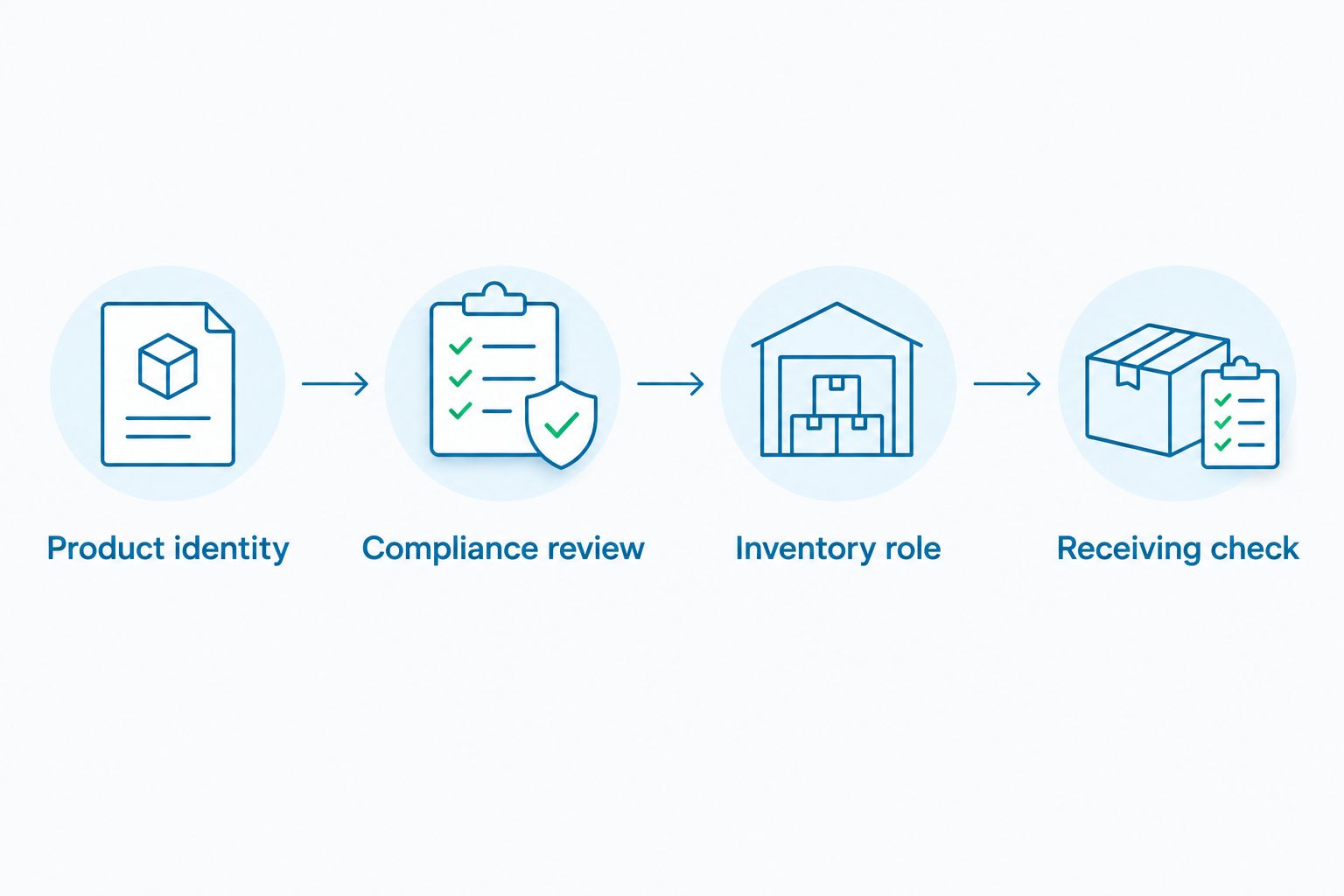
Keep these checks attached to the purchasing record. If a supplier changes the product identifier or documentation, reassess the item instead of treating the previous approval as permanent.
Review professional tattoo ink online
Start with manufacturer product information, then verify the exact purple ink before purchasing.
How the choices were ranked
This 2026 ranking prioritizes documented supplier fit, a distinct shade purpose, traceability, and inventory relevance. Manufacturer experience supports the sourcing recommendation; the shade entries organize purchasing requirements rather than establish a performance leaderboard.
No entry receives a saturation, longevity, or healed-color score. Those comparisons require evidence for the exact formulations under comparable conditions. A product photograph cannot supply it.
Which purple tattoo ink should you choose?
Start with supplier qualification, then buy the shade that fills a documented gap. For an undecided distributor, the default is to evaluate a professional manufacturer before choosing between purple shade families.
Use studio requests to choose the next branch: cooler purple, warmer purple, or lighter purple. If the request does not specify a color role, clarify it before ordering. Adding another purple without a defined purpose makes the assortment larger without making the purchasing decision clearer.
For your 2026 assortment, prioritize identifiable products and repeatable purchasing records over unsupported claims about the strongest, safest, or longest-lasting purple.
FAQ
What's the best purple tattoo ink for a distributor?
The best purple tattoo ink for a distributor is an identifiable, documented product that fills a specific studio requirement. Start with supplier qualification, then choose the shade direction and review the exact product evidence.
Is blue-leaning purple better than red-leaning purple?
Blue-leaning purple is better for a cooler color requirement, while red-leaning purple fits a warmer requirement. Neither shade direction establishes better manufacturing quality or healed performance.
How do I choose between light purple and dark purple tattoo ink?
Choose light purple or dark purple according to the artist's intended color value and palette. Review product-specific color information rather than treating a bottle photograph as proof of the healed result.
Does sterile purple tattoo ink mean it cannot cause an allergic reaction?
No, sterile purple tattoo ink is not an allergy guarantee. Sterility and allergic reactions are different issues, so avoid presenting a manufacturing claim as a medical assurance.
Does REACH-compliant purple tattoo ink automatically meet every market's rules?
No, a REACH-compliance claim does not automatically establish compliance in every destination market. Match the exact formulation and its documentation to the market where you intend to distribute it.
Can I mix purple tattoo ink from different brands?
Do not assume purple tattoo inks from different brands are interchangeable for mixing. Follow the relevant manufacturers' instructions and avoid substituting an undocumented mixture for a specified product.
Should distributors stock every purple tattoo ink shade?
No, distributors should stock purple shades against documented studio demand. Begin with clearly defined shade roles and expand when purchasing records support a distinct additional requirement.
Where should I start when buying professional purple tattoo ink online?
Start with the manufacturer's product information and verify the exact item before purchasing. Confirm product identity, applicable documentation, and traceability rather than relying only on marketplace descriptions.
One last thing
Purple describes a color family, not a complete purchasing specification. Add undertone, value, product identity, and documentation requirements to the order brief. That simple change gives artists, purchasing staff, and receiving staff the same target—and prevents a persuasive product name from doing the work of evidence.