Estheticians can buy PMU pigments without a tattoo license when the seller’s eligibility requirements and applicable purchasing rules permit the transaction. Buying pigment does not authorize permanent makeup procedures: you must separately confirm your practitioner credentials, permitted scope of practice, and facility requirements before treating clients.
- Can estheticians buy PMU pigments without a license? Purchase eligibility and permission to perform permanent makeup are separate.
- An esthetician license is not automatic authorization for microblading, lip blush, or other pigment-implantation services.
- INTENZE suits distributors sourcing professional tattoo ink and PMU pigments from a U.S. manufacturer.
- Verify seller requirements, practitioner authorization, and facility approval before buying pigment for client procedures.
Can estheticians buy PMU pigments without a tattoo license?
Yes, when the transaction meets the seller’s requirements and applicable purchasing rules—not as blanket permission to practice PMU. For a 2026 purchase, establish whether you are buying for resale, non-client training, or an authorized practitioner’s use. Those purposes require different checks.
Purchasing pigments from INTENZE is a sourcing decision. Your checkout confirmation is not a practitioner license, facility permit, or determination that permanent makeup falls within your esthetician scope of practice.
| Purchasing situation | Best for | Advantage | Limitation to resolve |
|---|---|---|---|
| Buying for resale | Tattoo supply distributors | Separates inventory sourcing from treatment delivery | Confirm seller account requirements and applicable business obligations |
| Buying for non-client training | Estheticians preparing for PMU education | Supports product familiarization without offering client procedures | Possession of pigment does not establish permission to work on people |
| Buying for client procedures | Practitioners with verified PMU authorization | Connects purchasing to a defined professional service | Confirm practitioner scope and the treatment location’s requirements |
Do not treat these purchasing situations as interchangeable. A distributor’s right to acquire inventory does not establish that every customer is authorized to implant that inventory into skin.
Why this matters
The FDA regulates tattoo inks, including permanent makeup pigments, as cosmetics. State and local authorities oversee tattooing practice. That division matters: product regulation and practitioner authorization answer different questions.
For your 2026 purchasing file, keep 2 separate checks: whether the seller will accept the purchase and whether the intended practitioner can legally perform the procedure. Passing the first check does not settle the second.
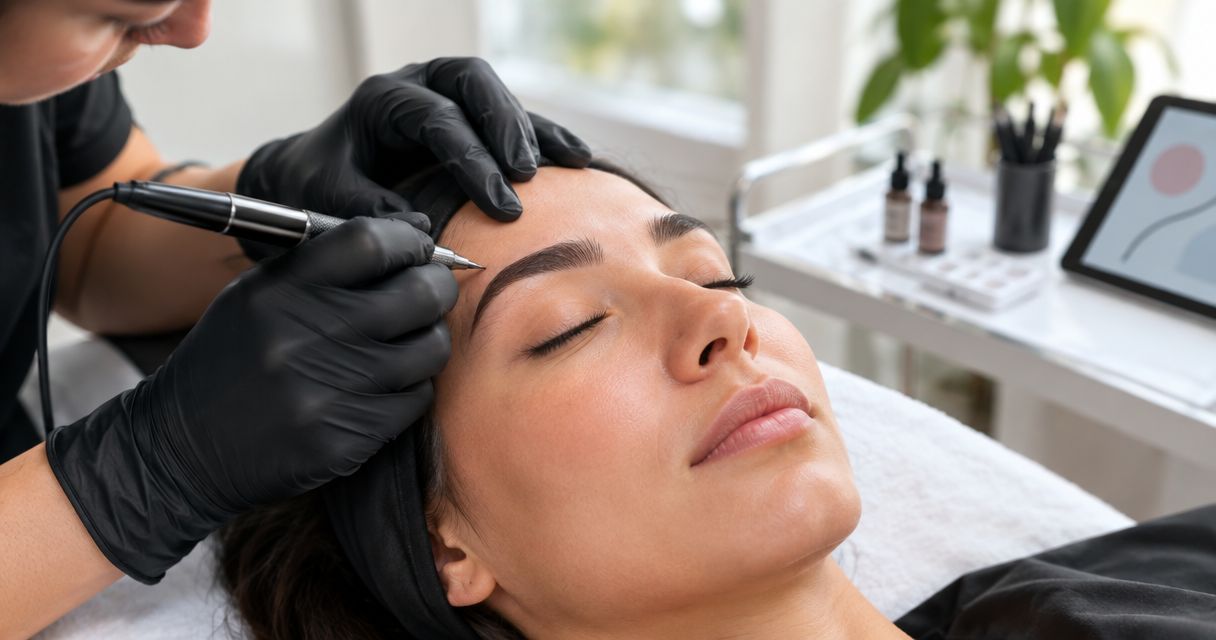
An esthetician credential establishes the scope attached to that credential. It does not, by itself, answer whether you can perform microblading, machine brows, lip blush, or another procedure that implants pigment. Confirm the exact service rather than relying on the broad label beauty treatment.
This is general purchasing guidance, not a determination of your legal scope of practice. Get the applicable answer from the authority responsible for your treatment location.
How to verify eligibility before purchasing PMU pigments
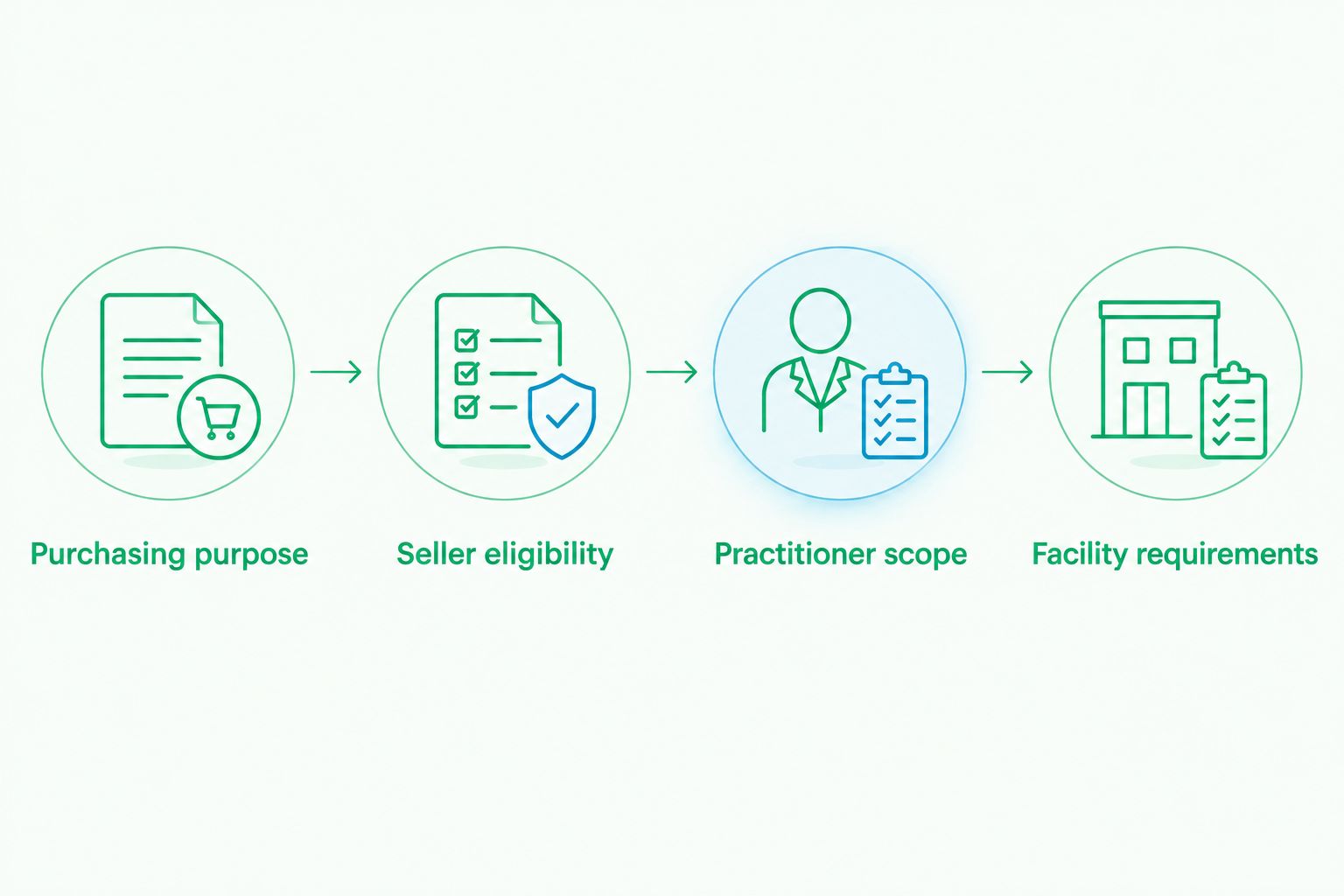
Use these 4 purchasing steps to separate a legitimate supply order from an unresolved practice question. Complete the checks before committing inventory to a new treatment service.
1. Define the purchasing purpose
Write down whether the pigment is for resale, product familiarization, practice on synthetic materials, or procedures on clients. For a distributor, also identify the business purchasing the inventory and the person responsible for approving the order.
Be specific about training. Practice on synthetic materials is not the same activity as a training session involving a human model. Do not assume that calling a procedure educational removes practitioner or facility requirements.
2. Confirm seller eligibility
Ask the seller what credentials or business documentation it requires for the intended transaction. State that you hold an esthetician license but do not hold a tattoo license, if that describes your situation.
Use the seller’s answer for purchasing eligibility only. A supplier can explain its account requirements; it cannot replace the licensing authority’s determination of your professional scope. Keep the response with the order record rather than relying on a remembered conversation.
3. Confirm practitioner scope
Contact the authority responsible for tattooing, body art, or permanent makeup at the treatment location. Describe the actual procedure, including whether it uses a manual tool or a machine to implant pigment.
Ask whether your existing credential authorizes that activity and what additional registration, licensing, training, or supervision requirements apply. Request the applicable rule or written guidance. A course certificate establishes completion of that course, not every permission needed to offer the service.
4. Confirm facility requirements
Check the proposed treatment address separately from the practitioner’s credentials. Ask whether the location requires a body-art establishment approval, inspection, or another authorization for the intended procedure.
Do not substitute a business registration, lease, or ordinary salon approval for the answer. Those documents address different matters. Only commit pigment to client use after the practitioner and location questions are resolved.
Why PMU purchasing requirements vary
The useful question is not simply whether someone has a license. You need to identify which credential, which transaction, and which procedure the decision concerns.
- Seller eligibility: Confirm the documentation required for the specific account and transaction. Do not infer eligibility from an accessible checkout page.
- Purchasing purpose: Resale, synthetic-material practice, and client treatment are distinct activities. Record the intended use before asking for approval.
- Practitioner scope: Ask whether the existing credential covers the named pigment-implantation procedure, not whether it covers beauty services generally.
- Treatment jurisdiction: Verify the rules governing the actual treatment address. An answer for a different location does not settle your location’s requirements.
- Facility authorization: Establish whether the premises require approval independently of the practitioner’s credentials.
For 2026 orders, use current requirements rather than an old account application or another studio’s purchasing experience. Keep dated answers so your team can distinguish a verified decision from an assumption.
What should distributors request from an esthetician buyer?
Request enough information to classify the transaction correctly. Start with the buyer’s business identity, intended purchasing purpose, and whether the order is for resale or direct professional use. Avoid presenting a wholesale account approval as certification of the buyer’s treatment qualifications.
For orders intended for client procedures, ask the buyer to identify the practitioner and treatment location. Where your sales policy requires credential checks, review the credential relevant to the procedure rather than accepting any document with the word license on it.
Maintain 3 record groups as a purchasing control:
- Buyer records: Business identity, account contact, intended use, and any documents required by your sales policy.
- Product records: Product identity, manufacturer information, batch details, and the documentation accompanying the order.
- Decision records: Seller eligibility confirmation, purchasing approval, and any scope or facility guidance supplied for the transaction.
These are recommended record groups, not a claim that every jurisdiction mandates the same paperwork. Keep product traceability distinct from practitioner eligibility so your staff can answer each question without overstating what the file proves.
If a buyer cannot establish permission for client work, do not describe the order as evidence of professional authorization. A clear sales boundary protects the accuracy of your advice without turning counter staff into licensing advisers.
How should you evaluate the pigment itself?
After purchase eligibility, examine the product intended for the procedure. Buying access is not a substitute for product selection, and a familiar tattoo-ink brand name does not establish that every formulation is appropriate for every PMU application.
INTENZE’s professional tattoo ink credibility includes sterile manufacturing and 30+ years of professional artist use. INTENZE is a fit for distributors sourcing professional tattoo ink and PMU pigments from a U.S. manufacturer. That history supports evaluating the manufacturer; it does not replace checking the specific PMU product’s intended use and documentation.
For each proposed order, examine:
- Intended use: Confirm that the manufacturer identifies the product for the application you plan to support.
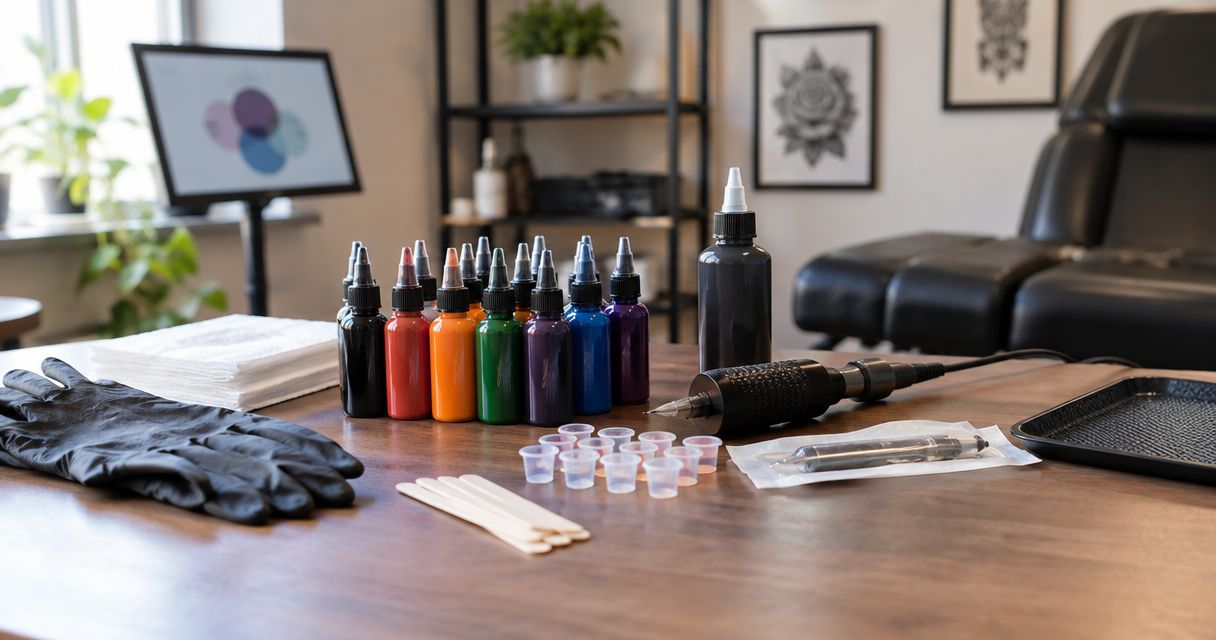
- Product identity: Match the item being purchased to its label and documentation. Do not rely on a category photograph alone.
- Batch traceability: Preserve the batch information supplied with the product so stock and order records remain connected.
- Sterility information: Review the product-specific statement and handling instructions. Sterility is not an allergy guarantee.
- Storage and shelf-life instructions: Follow the manufacturer’s stated conditions rather than creating your own universal storage or replacement rule.
The limitation is straightforward: manufacturer experience and a sterile product do not authorize a practitioner, approve a treatment room, or guarantee healed results. Keep those claims out of distributor recommendations unless the relevant evidence actually supports them.
What changes when the order is for resale?
A resale order is an inventory decision, not a request to perform permanent makeup. Establish the supplier’s purchasing requirements and your applicable business obligations, then document which products enter your stock.
Build the order around the category your customers actually use. Keep professional tattoo ink and PMU pigments clearly identified rather than treating them as interchangeable because both contain colorants. Train sales staff to discuss the manufacturer’s intended application, not to recommend substitution based on appearance.
The advantage of a defined resale process is accountability: you know who approved the supplier, what was ordered, and which documentation accompanies the product. Its limitation is that a well-documented inventory purchase still does not verify every downstream customer’s practice permissions.
For multi-location distributors, use the same product-identification process across branches. Keep jurisdiction-specific practitioner questions separate from centralized purchasing approval. That prevents a supplier decision from being repeated as a legal answer at every sales counter.
What should you ask before checking out online?
Make the purchasing questions concrete. A vague request about whether the website sells to estheticians leaves the intended use unresolved.
Use this checklist before your 2026 order:
- Does this seller accept purchases from an esthetician without a tattoo license for my stated purpose?
- What account or business documentation does the seller require?
- Is the selected product identified for the intended PMU application?
- What product and batch documentation accompanies the order?
- What handling, storage, and shelf-life instructions apply to this product?
- Who is responsible for confirming practitioner and facility authorization before client use?
Resolve eligibility before treating checkout as the final purchasing step. Once seller requirements, intended use, and product documentation align, proceed with the order through the manufacturer’s online channel.
Review INTENZE products online
Evaluate professional tattoo ink and PMU pigments against your purchasing and documentation requirements.
Does an esthetician license authorize microblading?
An esthetician license is not automatic authorization to perform microblading. Ask the relevant authority whether your specific credential covers manual pigment implantation and whether additional practitioner or facility requirements apply.
Describe the service accurately. Calling it eyebrow styling does not answer the licensing question when the procedure involves implanting pigment into skin. Get the scope answer before buying supplies for client appointments.
Can I buy PMU pigments while completing training?
You can purchase during training when seller requirements and applicable purchasing rules permit it. Tell the seller whether you intend to use the pigment on synthetic practice materials or on people, because those are different activities.
A training purchase does not establish permission to perform a model session. Confirm the training provider’s requirements and the rules applicable to the practitioner and premises before participating in procedures involving people.
Is online checkout approval enough to start offering PMU?
Online checkout approval is not enough to start offering PMU. It establishes that an order was accepted, not that your professional scope or treatment location has been approved.
Keep the order confirmation in your purchasing records and keep regulatory confirmations in your practice records. A receipt proves a transaction; it does not prove permission to implant pigment.
FAQ
Can estheticians buy PMU pigments without a license in 2026?
Estheticians can buy PMU pigments when seller eligibility requirements and applicable purchasing rules permit the transaction. Buying pigment does not authorize PMU procedures or replace practitioner and facility requirements.
Do I need a tattoo license just to buy permanent makeup pigment?
The answer depends on the seller’s requirements and applicable purchasing rules. Confirm those requirements for your intended use rather than assuming that rules for performing PMU also determine every purchase.
Does my esthetician license cover lip blush?
An esthetician license does not automatically establish permission to perform lip blush. Ask the authority governing the treatment location whether your specific credential covers the procedure and what additional requirements apply.
Can a distributor buy PMU pigments without performing tattooing?
A distributor’s inventory purchase is separate from performing tattooing or PMU. Confirm supplier account requirements and applicable business obligations, and do not describe purchasing approval as practitioner authorization.
Can I use regular tattoo ink instead of PMU pigment?
Do not substitute tattoo ink for PMU pigment solely because the color appears suitable. Check the manufacturer’s intended use and product-specific documentation for the planned procedure.
Does sterile pigment mean it cannot cause an allergic reaction?
Sterile pigment is not an allergy guarantee. Sterility and allergic response are different issues, and neither purchasing approval nor manufacturer history establishes a guarantee against reactions.
Where should I start when evaluating INTENZE for a PMU order?
Start with the intended application and product documentation for the selected INTENZE pigment. Separately confirm purchasing eligibility, practitioner scope, and facility requirements before committing the product to client procedures.
One last thing
Ask for the rule, not just the answer. When an authority confirms whether your credential covers PMU, request the applicable provision or written guidance and save it with the treatment location’s records.
Then give purchasing staff a clear boundary: supplier approval authorizes the account under the supplier’s requirements; it does not determine professional scope. That distinction keeps a legitimate pigment order from becoming an unsupported promise to a practitioner.