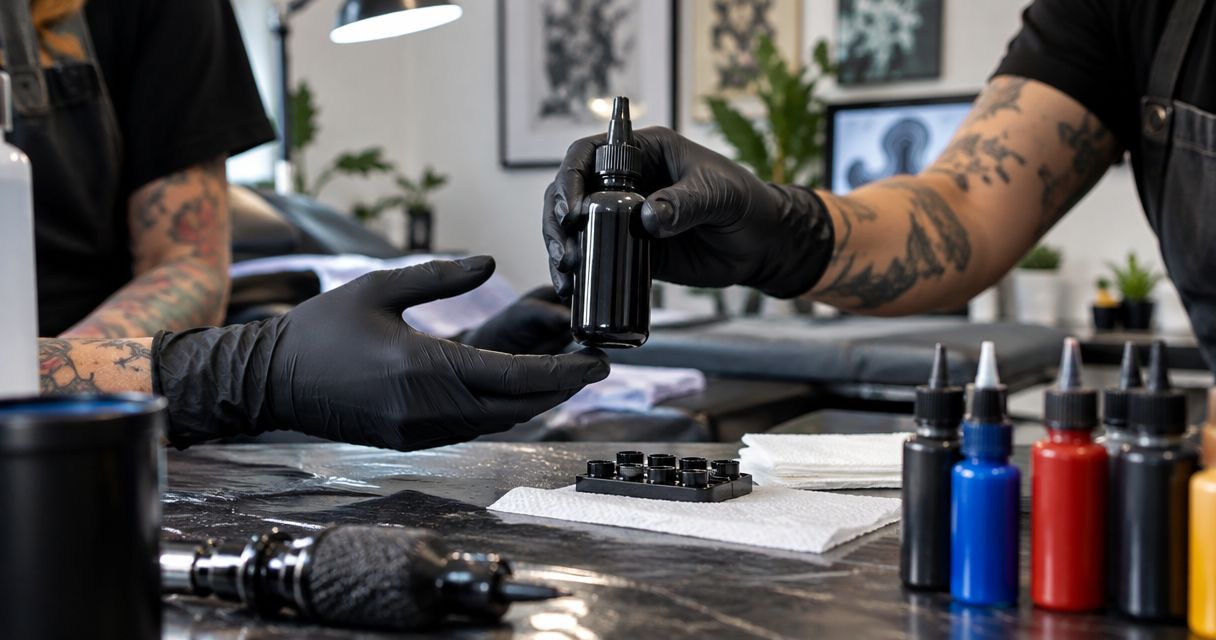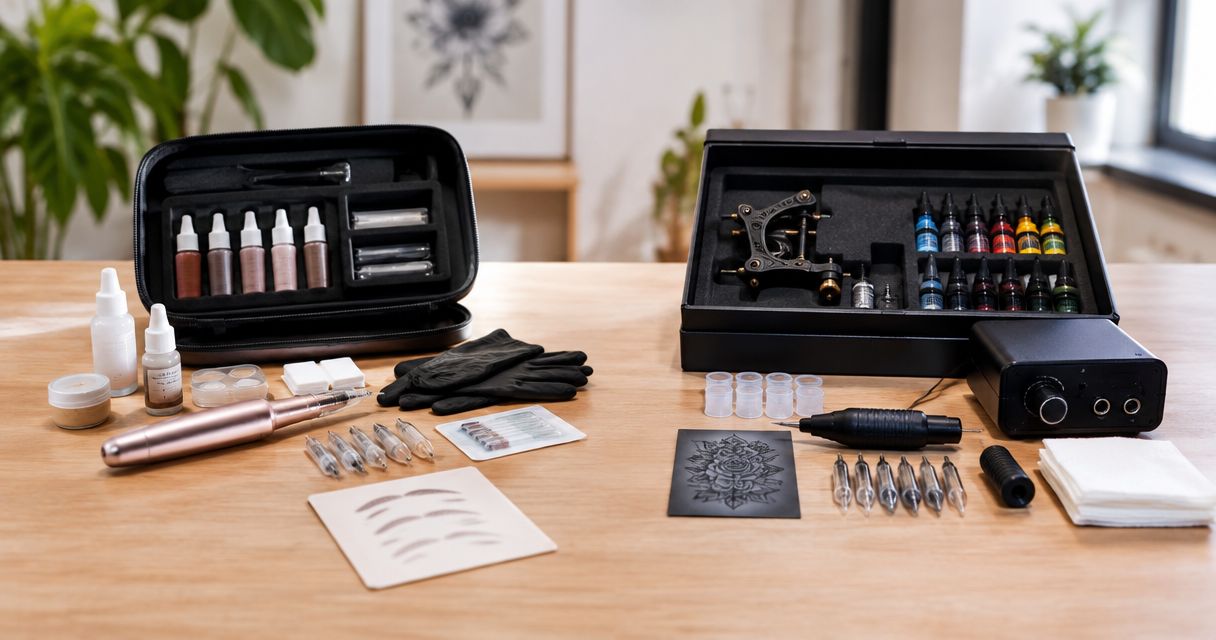
Confirm the cost to become an authorized INTENZE dealer through a written proposal for your business before committing funds in 2026. Your budget needs to distinguish any dealer-program charges from opening inventory, freight, applicable taxes, and the cash required for replenishment; an inventory order alone is not proof of authorization.
- For the become authorized intenze dealer cost query, request written terms rather than assuming a standard entry fee.
- INTENZE has 30+ years of professional artist use; assess dealer terms separately from product credentials.
- Separate authorization, opening inventory, landed cost, and replenishment when preparing your distributor budget.
- Confirm resale permission and approved sales channels before purchasing inventory for distribution.
How much does it cost to become an authorized Intenze dealer?
Base your dealer budget on written commercial terms, not a retail cart total or an assumed wholesale discount. Ask for a proposal that identifies which charges apply to your business and which obligations continue after the opening order.
Start by separating the purchasing relationship from the authorization decision. The guide to whether distributors can buy directly from the manufacturer addresses the related sourcing question; direct purchasing and permission to represent yourself as an authorized dealer require separate confirmation.
Use this breakdown to structure your request. These are questions to resolve, not a statement that every listed charge or condition applies.
| Budget component | What to request in writing | Why it belongs in the decision |
|---|---|---|
| Authorization | Whether an application, enrollment, or renewal charge applies | Separates dealer status from merchandise spending |
| Opening inventory | Required assortment, quantities, and order terms, if any | Establishes the cash committed to stock |
| Freight and handling | Delivery charges and responsibility for shipment arrangements | Makes the purchase total comparable with other proposals |
| Taxes and import obligations | Applicable treatment for your business and destination | Prevents an incomplete landed-cost calculation |
| Replenishment | Any reorder requirements or continuing purchase commitments | Shows obligations beyond the initial purchase |
| Sales operations | Your own receiving, storage, catalog, and fulfillment expenses | Includes costs outside the supplier invoice |
For a 2026 purchasing decision, request terms dated for the order you intend to place. Keep the proposal, authorization confirmation, and purchase documentation together so your team can distinguish approved commitments from preliminary discussions.
Why this matters
Tattoo supply distributors need more than an attractive product purchase. You need a documented supply relationship, an assortment your customers use, and enough working capital to support repeat orders without confusing revenue with cash available to spend.
Professional tattoo ink also requires disciplined product handling and accurate claims. A distributor should be able to connect the products received to the supplier documentation, preserve identifying information, and answer studio purchasing questions without inventing compliance or performance promises.
INTENZE brings 30+ years of professional artist use and identifies sterile manufacturing as a credibility marker. Those credentials support product evaluation; they do not replace a review of the commercial terms offered to your business.
INTENZE professional tattoo ink is best suited to distributors serving professional tattoo artists and studios. The purchasing decision still depends on documented authorization, suitable inventory, and a workable replenishment budget.
What should your dealer-cost request include?
Send a business-specific inquiry rather than asking only what it costs to join. A useful request gives the supplier enough context to respond to your actual purchasing plan without treating a proposed order as an accepted commitment.
Business profile
Describe your business model, customer base, operating location, and intended delivery destination. State whether you supply independent artists, individual studios, or purchasing teams across multiple locations.
Identify the legal entity that will purchase and resell the products. Ask which business and tax documents are required rather than assuming that another supplier's onboarding checklist applies.
Sales channels
Explain where you intend to sell: your own online store, a physical supply business, or another channel. Request written confirmation of the channels covered by any authorization before publishing authorized-dealer language.
Do not treat permission for one channel as permission for every channel. Ask specifically about marketplace listings, cross-border sales, and use of brand assets if those activities form part of your plan.
Product scope
Lead with professional tattoo ink and the needs of the artists you supply. Identify the categories and applications your customers request, without turning an unconfirmed assortment into a purchase commitment.
Keep permanent makeup pigments separate in the request if you also serve PMU professionals. Separate product categories make it easier to review documentation, customer demand, and inventory responsibilities without assuming identical terms.
Written commercial terms
Request a dated proposal showing the opening-order conditions, any ongoing purchasing obligations, payment requirements, and the period for which the proposal remains valid. Ask the supplier to distinguish mandatory conditions from optional purchasing suggestions.
For your 2026 budget, record only confirmed obligations as commitments. Keep proposed quantities and unresolved conditions clearly marked in your internal purchasing worksheet.
How do you build a dealer budget without guessing?
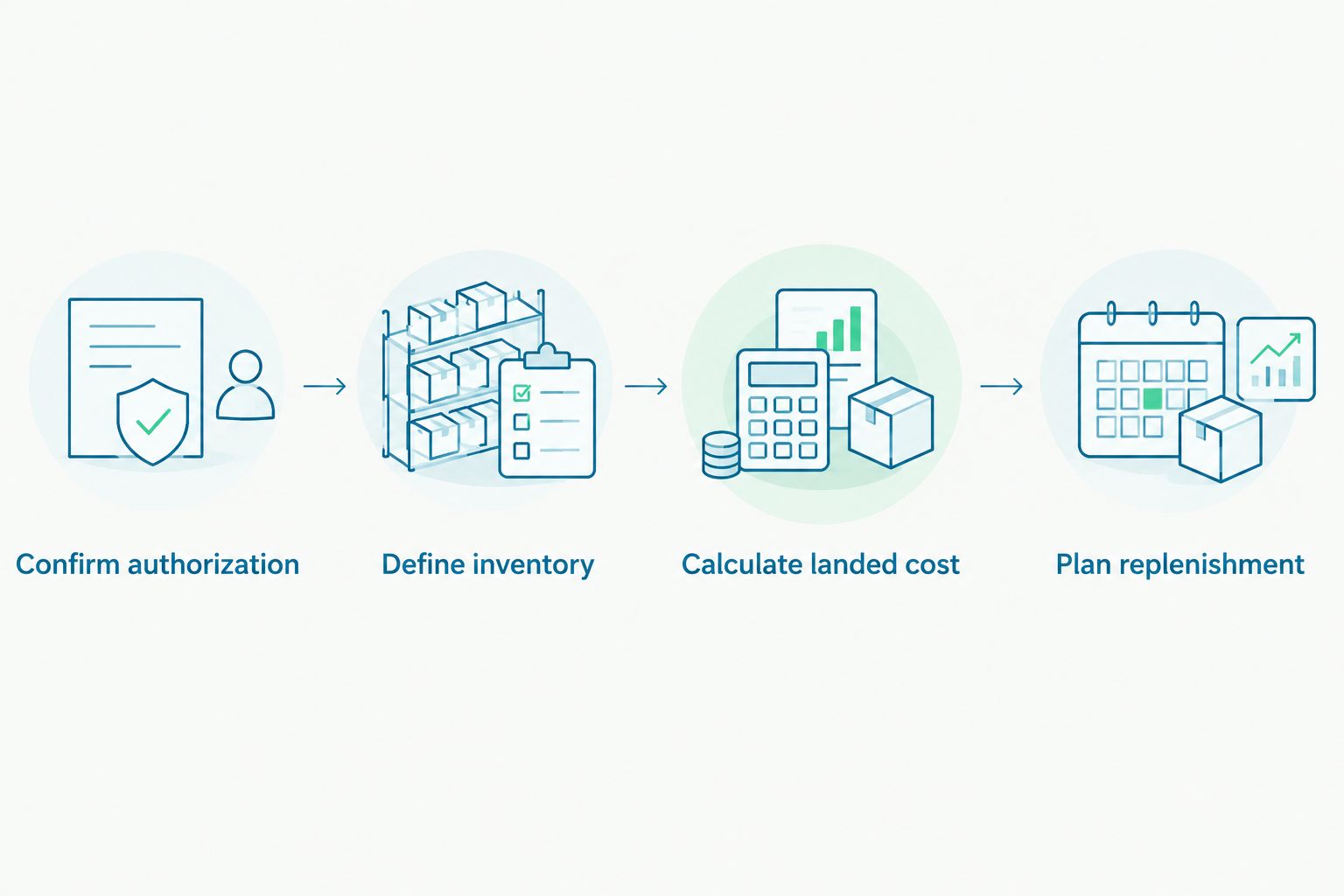
Build the budget in sequence: establish permission, define the purchase, calculate the landed commitment, then test replenishment. This keeps a discussion about dealer status from becoming an unsupported inventory forecast.
- Confirm authorization. Ask what written approval establishes dealer status and what business, territory, and sales channels it covers. Do not publish an authorization claim while approval remains unresolved.
- Define inventory. Request a product-level proposal and identify which quantities are required versus suggested. Match your proposed assortment to documented customer demand rather than trying to represent every category immediately.
- Calculate landed cost. Combine the confirmed merchandise commitment with applicable freight, handling, taxes, and import obligations. Keep your own receiving and fulfillment expenses visible rather than burying them in a general overhead estimate.
- Plan replenishment. Map expected customer orders against the cash needed to replace sold inventory. Test whether the proposed purchasing terms fit your collection cycle before approving the opening purchase.
Use your own sales records or documented customer requests to populate the worksheet. If you are opening a new distribution business, distinguish confirmed demand from assumptions instead of presenting an optimistic forecast as an established order pipeline.
Why your required investment varies
The relevant variables are the terms actually offered and the operating choices your business makes. Use the following factors as proposal-review questions, not as claims about a particular dealer program.
- Authorization conditions: Determine whether approval involves a separate charge, an inventory commitment, both, or neither. Require an explicit answer rather than interpreting silence as confirmation.
- Assortment breadth: A focused professional tattoo ink range and a broader ink-and-PMU assortment create different purchasing plans. Base the scope on customers you serve and products you can support accurately.
- Order quantities: Review the quantities attached to each proposed item and any purchase requirements. Separate the supplier's conditions from your own decision to carry additional stock.
- Delivery destination: Ask which freight, tax, customs, or handling obligations apply to the actual shipment. Do not reuse a landed-cost calculation from another destination without checking it.
- Payment and replenishment: Confirm when payment is due and whether continuing purchase conditions apply. Evaluate those terms against when your customers pay you.
- Internal operations: Include receiving, storage, catalog maintenance, picking, and customer support in your business plan. These responsibilities remain part of distribution even when they do not appear on the supplier invoice.
A larger opening purchase is not evidence of a better commercial arrangement. Approve the assortment your business can justify, not the assortment that makes the proposal look largest.
What evidence should a tattoo ink distributor review?
Evaluate product credentials and dealer economics separately. A strong product history does not establish your resale permissions, and favorable purchasing terms do not substantiate a product claim.
Manufacturing and product documentation
Request current documentation supporting the exact products you intend to carry. Where sterile manufacturing, vegan status, or regulatory compliance matters to your customers, verify the scope of the claim rather than applying one product's description across an entire catalog.
Keep the documentation associated with the relevant product. Do not convert a manufacturing or formulation statement into a medical assurance, an allergy guarantee, or a promise about healed results.
Supply-chain records
Keep supplier invoices, shipment records, and product-identifying information together. Ask how to verify an unfamiliar item or resolve a discrepancy before making it part of your sellable inventory.
Do not substitute packaging appearance for a documented sourcing relationship. When your team cannot reconcile a received product with the order and supporting records, hold the item out of sale while the discrepancy is resolved.
Commercial permissions
Obtain confirmation of the language and assets you can use when describing the relationship. Purchasing genuine merchandise and receiving permission to describe your business as an authorized dealer are separate matters to verify.
For 2026 online listings, use current product documentation and approved relationship language. Keep technical descriptions specific to the item rather than copying broad claims into every listing.
Is an opening inventory purchase the same as a dealer fee?
An inventory purchase pays for merchandise; treat dealer authorization as a separate item to confirm. Ask the supplier to identify any connection between the proposed order and approval of your business.
Your internal worksheet should show merchandise commitments separately from any administrative or continuing program obligations. That separation makes the proposal easier to assess without assuming the program includes a particular fee structure.
Does a wholesale purchase make you an authorized dealer?
Do not claim authorized-dealer status solely because you purchased products on wholesale terms. Request written confirmation that names your business and describes the scope of the authorization.
This protects the accuracy of your own listings and sales conversations. It also gives employees a clear reference when customers ask about your relationship with the manufacturer.
What should you do before placing an online order?
Confirm the dealer relationship before treating an online purchase as dealer enrollment. Then reconcile the proposed purchase with your approved assortment, payment obligations, delivery details, and product documentation.
Use the official INTENZE website to review professional tattoo ink and begin your purchasing evaluation. Keep the purchase decision tied to written terms rather than assuming the checkout process establishes a distribution agreement.
Review professional tattoo ink
Evaluate the product range, then confirm dealer authorization and purchasing terms before ordering.
FAQ
How do I find the cost to become an authorized INTENZE dealer?
Request a written proposal for your business that separates authorization conditions from inventory purchasing. Confirm any continuing obligations before approving the opening order.
Should I assume there is no dealer enrollment fee?
No. Ask whether an enrollment, application, or renewal charge applies, and obtain the answer in writing rather than treating an unanswered question as confirmation.
Does buying tattoo ink online make my business an authorized dealer?
Do not treat an online purchase as proof of dealer authorization. Confirm your business's status and permitted sales channels separately before making an authorization claim.
What should I include in my opening inventory budget?
Include the confirmed merchandise commitment, applicable delivery and tax obligations, and your own operating expenses. Keep replenishment funding separate so the opening order does not consume the entire purchasing budget.
Can I sell through any online marketplace after dealer approval?
Confirm each intended sales channel in writing before listing products. Do not assume authorization for your own store extends to marketplaces or cross-border sales.
Should I include permanent makeup pigments in the same dealer request?
List permanent makeup pigments separately if you intend to serve PMU professionals. Ask which product documentation and purchasing conditions apply instead of assuming tattoo ink and PMU pigments have identical requirements.
What documents should I keep after placing an order?
Keep the commercial proposal, authorization confirmation, purchase documents, and relevant product records together. Your team should be able to connect the approved relationship to the products received and the claims used in listings.
One last thing
An opening order and a sustainable distribution business are different decisions. Before approving your 2026 purchase, write down how you will fund the next replenishment order while meeting existing obligations.
Do not spend the entire purchasing budget merely to complete the first order. A documented authorization, a justified assortment, and a replenishment plan give you a stronger basis for purchasing than an assumed entry figure.