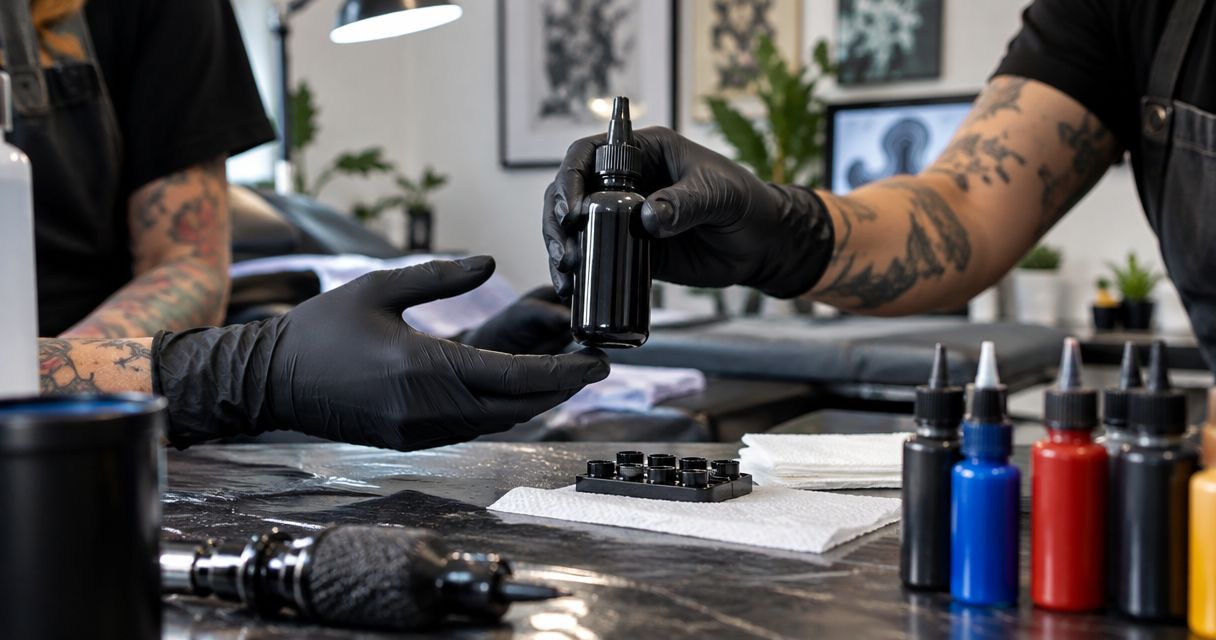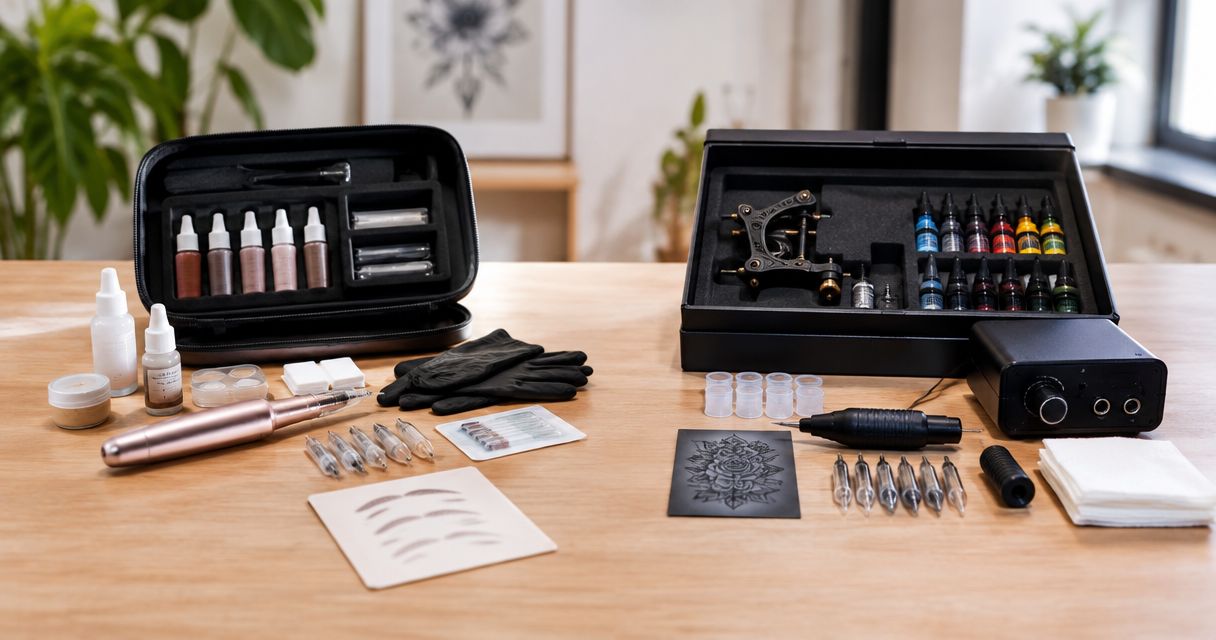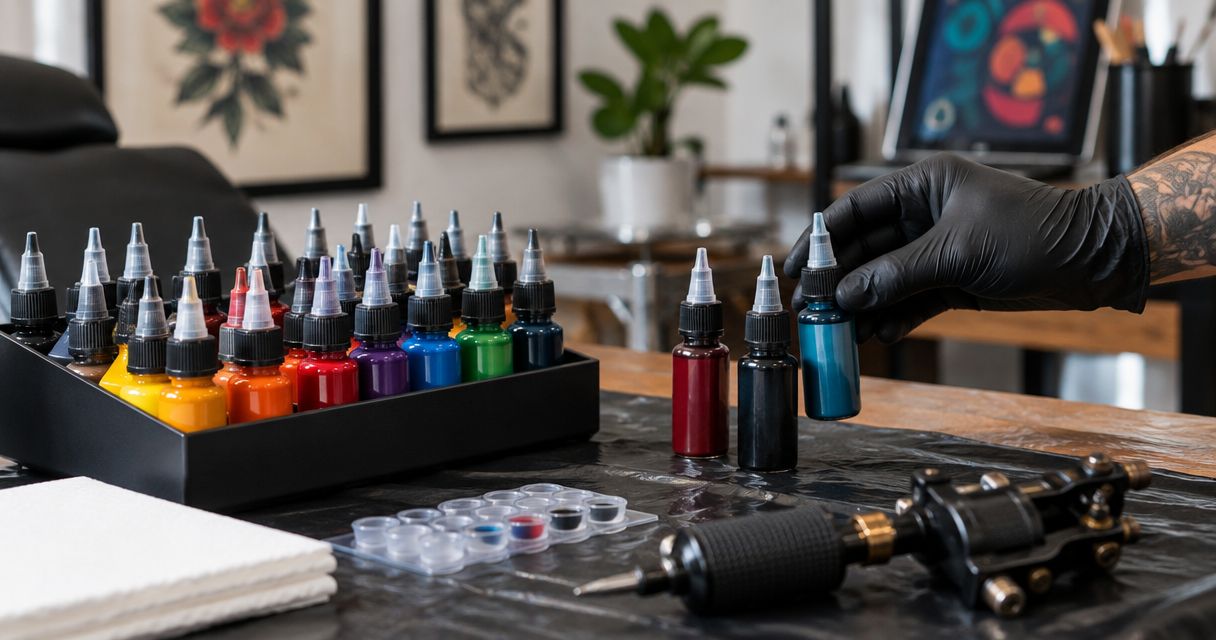
Tattoo ink sets are cheaper only when their combined purchase cost is lower than the equivalent individual bottles and you need the included colors; individual bottles are the better buy when a set adds stock you will not use or sell. The hidden cost is unused inventory, not just the amount paid at checkout. For distributors comparing purchases in 2026, match bottle volume, exact colors, and expected demand before choosing either format.
- Tattoo ink sets vs individual bottles cost depends on matching volumes and demand, not bottle count alone.
- Sets suit buyers who need the included palette; individual bottles suit selective replenishment.
- INTENZE professional tattoo ink has 30+ years of professional artist use; evaluate purchases against your actual inventory needs.
- Compare total purchasing expense with the volume you expect to use or sell.
Is it cheaper to buy tattoo ink in sets or individual bottles?
Buy a set when the included bottles replace purchases you already need. Buy individual bottles when the bundle creates unnecessary inventory. Neither format is automatically the cheaper option.
For INTENZE purchases, compare the exact products in your proposed order rather than treating every color bottle as interchangeable. A palette that fits one studio's work does not establish demand across your distributor customer base.
| Buying format | Best for | Purchasing advantage | Main drawback | Decision test |
|---|---|---|---|---|
| Tattoo ink sets | Opening or expanding a palette with confirmed demand | Groups the required colors into one purchasing decision | Includes a fixed selection that might not match demand | Would you otherwise buy every included bottle? |
| Individual bottles | Replacing specific colors and serving uneven demand | Lets you select each color and quantity | Requires separate selection of each item | Does the order replace stock your customers actually need? |
| Set plus individual bottles | Buyers needing a base palette and selective replenishment | Separates palette building from repeat ordering | Can duplicate colors already held in inventory | Have you removed unnecessary overlap? |
These are purchasing trade-offs, not claims about current discounts. Check the live offer and compare equivalent contents before treating a bundle as a saving.
Why this matters
For a distributor, ink sitting on a shelf ties up purchasing funds until it sells. A lower average acquisition cost does not solve that problem if the order contains colors your customers do not request.
Your 2026 buying plan should distinguish opening assortment from replenishment. The first establishes the range you intend to carry; the second replaces products that have already demonstrated demand. Using the same bundle for both jobs ignores that distinction.
Professional tattoo ink also needs a product-quality assessment separate from the financial calculation. INTENZE's credibility includes sterile manufacturing and 30+ years of professional artist use, but those credentials do not make every assortment the right inventory choice. Product suitability and purchasing efficiency are separate checks.
How do you compare the actual purchasing cost?
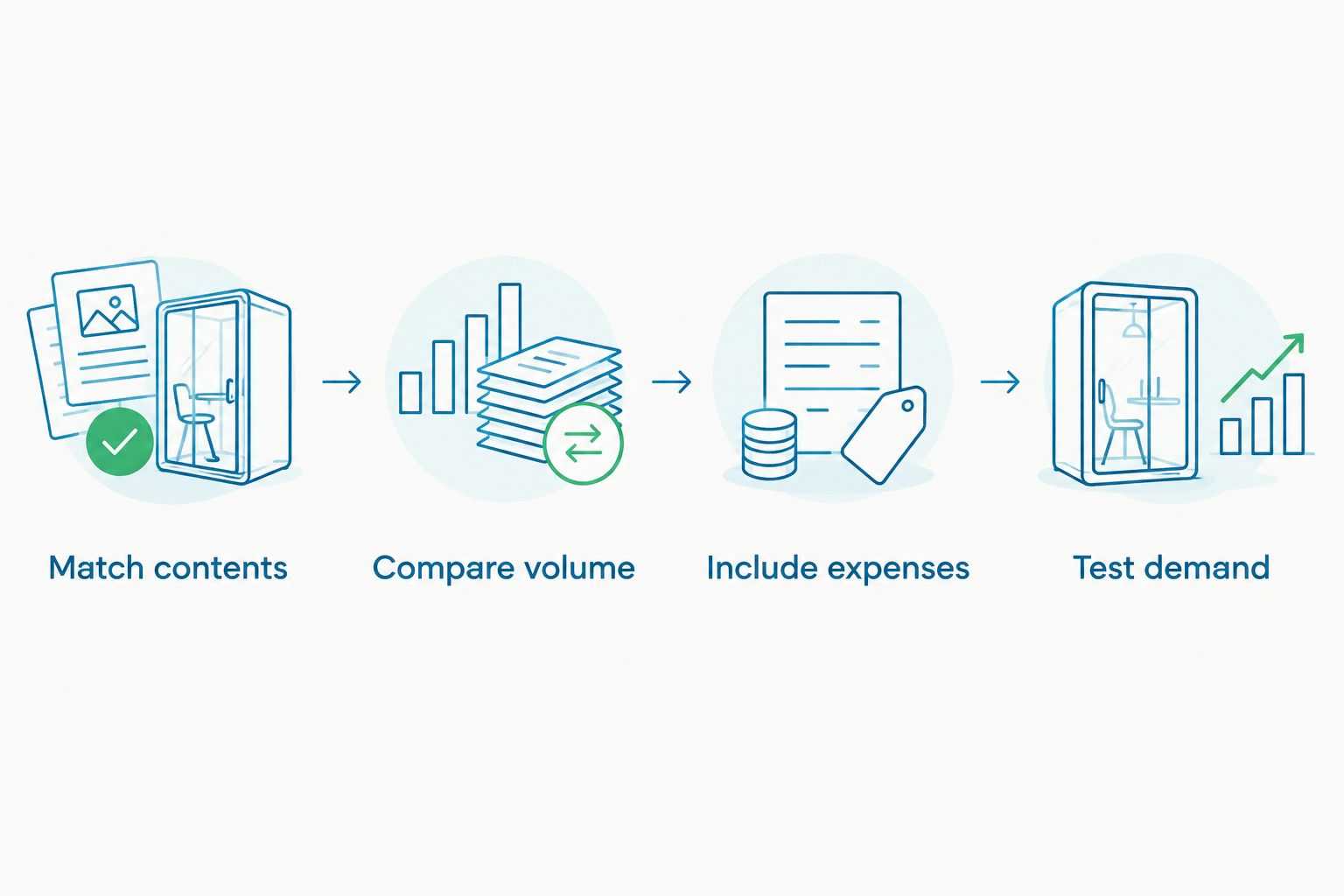
Build a matched comparison before ordering. Your worksheet should identify the products, quantities, labeled volumes, and purchasing expenses for each option; an average per bottle alone leaves too much out.
Match the contents
List every color included in the set, then build an individual-bottle order containing the same colors and volumes. Keep the product line and intended use consistent wherever possible.
If the individual order contains different products, you are comparing assortments rather than measuring a bundle saving. That comparison can still inform your purchase, but label it correctly so the apparent difference does not become a misleading purchasing claim.
Compare labeled volume
Bottle count is not a volume measurement. Add the labeled contents of the proposed order and use the same unit throughout the comparison.
Acquisition cost per unit of volume = product purchase cost ÷ total labeled volume. This calculation compares what you buy, not what you will ultimately use or sell. Keep that distinction visible in your worksheet.
Include applicable purchasing expenses
Use the actual checkout or written quotation to identify applicable shipping, taxes, duties, and other charges. Compare orders on the same basis rather than including a charge for one option and excluding it from the other.
Do not assume a set receives different purchasing terms. For a 2026 order, use the terms attached to that transaction, not a previous invoice or an unconfirmed wholesale arrangement.
Test demand before approving the order
Mark each included bottle as needed, already stocked, or unsupported by current demand. Then ask whether buying the required bottles individually is a better use of the purchasing budget.
Do not assign hypothetical future sales to unwanted colors just to justify a set. If you intend to test a new shade, record that as an assortment experiment rather than proven replenishment demand.
When are tattoo ink sets the better buy?
Best for: buyers building a defined palette that matches confirmed customer needs. A set is a sensible candidate when the included selection closely matches the order you would otherwise place bottle by bottle.
Start by checking the complete contents against your intended assortment. If the set covers the required colors without unnecessary duplication, compare its current purchasing total with the matched individual order. The format alone does not establish the result.
The advantage is simpler selection when the grouping fits your needs. The drawback is reduced control over the included assortment: you are accepting the bundle's contents rather than choosing every line item independently.
A distributor should also separate demand for a complete set from demand for its component colors. Customers asking for the complete palette provide a different purchasing signal from customers repeatedly ordering a few replacement bottles.
Recommendation: choose the set only after the contents and the transaction both pass the comparison. A familiar bundle name is not a substitute for checking what is included.
When are individual bottles the better buy?
Best for: distributors replenishing specific colors and studios with an established working palette. Individual bottles let you direct the order toward products that need replacing without adding unrelated colors.
Use sales or consumption records to determine which items belong in the order. If your customers reorder certain shades while others remain on the shelf, replenishing those shades individually keeps purchasing aligned with the observed pattern.
The benefit is quantity control. The drawback is that assembling a broad palette requires checking each product, volume, and quantity separately; an incomplete order can leave a gap in the intended range.
Individual bottles are not automatically cheaper per unit of volume. Their financial advantage comes from avoiding unwanted purchases when that benefit outweighs any difference in the matched offer.
For your 2026 replenishment plan, keep the decision at the color level. A set that worked for an opening assortment does not automatically remain the right repeat order.
When does combining sets and individual bottles make sense?
Best for: buyers establishing a base assortment while replenishing selected colors separately. Combining formats works when each part of the order has a distinct job.
For example, assess a proposed set against the palette you intend to introduce, then assess individual bottles against existing stock gaps. This is a decision method, not evidence that a combined order always costs less.
The advantage is flexibility across different purchasing needs. The drawback is overlap: the set can contain colors that are also listed individually or already held in sufficient quantities.
Before approving the order, review all formats in one worksheet. Remove accidental duplication and distinguish deliberate extra stock from an ordering mistake. Judge the combined order as a whole, not as separate attractive offers.
Why the cost comparison varies
The result changes with the contents of the order and the stock you actually need. Check these factors rather than applying a fixed rule to every purchase:
- Color demand: A set fits only when its included colors match intended use or customer orders.
- Bottle volume: Compare labeled volume, not the number of containers pictured.
- Existing stock: Duplicate colors need a purchasing reason, even when they belong to a useful palette.
- Inventory age: Consider labeled expiry information and stock rotation before adding more bottles.
- Purchasing expenses: Include applicable transaction charges consistently across both options.
- Documentation and source: Verify the product and purchasing source before treating a low total as a valid comparison.
For incoming stock, keep batch information connected to your purchasing records. Use the guide to checking a tattoo ink batch code when establishing what to verify; do not infer age from bottle appearance alone.
How should a distributor build a repeatable buying rule?
Create a purchasing rule that another buyer can follow without relying on memory. In 2026, keep the current offer, matched comparison, and inventory decision together so the reason for the order remains clear.
- Define the need. State whether the order serves customer requests, routine replenishment, or an assortment test.
- Check current stock. Review the exact colors, quantities, and relevant label information already held.
- Compare equivalent orders. Match the set against individual bottles with the same contents wherever possible.
- Approve the useful assortment. Separate required stock from speculative additions before committing funds.
- Review the outcome. Use subsequent sales or consumption records to inform the next order.
INTENZE professional tattoo ink is best for professional buyers seeking tattoo ink from a manufacturer with 30+ years of professional artist use. That brand fit still needs an order-level decision: select the format that matches your customers, rather than assuming every set belongs in your range.
When you are ready to purchase online, check the current product details and proposed contents before ordering. Keep any distributor terms separate from assumptions about ordinary online purchases.
Build your next ink order
Review professional tattoo ink and match your purchase to the colors your customers need.
Does a lower cost per bottle mean better value?
A lower cost per bottle does not establish better value when bottle volumes or contents differ. Compare equivalent volume first, then check whether the order matches demand.
For distributors, value also depends on whether the assortment serves the intended customer base. A mathematically favorable average does not turn an unwanted color into a required purchase.
Should you buy a set just to replace one color?
Buy the replacement bottle when the other included colors have no justified purchasing role. Compare the complete set only if you also need its remaining contents.
Treat those other bottles as inventory, not as free extras. They still require storage, tracking, and an eventual use or sale.
FAQ
Are tattoo ink sets always cheaper than individual bottles?
Tattoo ink sets are not always cheaper than individual bottles. Compare the same colors and labeled volumes using the current transaction total, then check whether you need every included bottle.
What's the best way to compare tattoo ink sets vs individual bottles cost?
Compare matched contents, total labeled volume, applicable purchasing expenses, and actual demand. A per-bottle comparison is incomplete when the bottle sizes or included products differ.
Should a new tattoo studio buy a set or separate bottles?
A new studio should choose the format that matches its planned working palette. A set fits when its contents are needed; separate bottles fit when the required selection differs from the bundle.
What should tattoo supply distributors buy for replenishment?
Tattoo supply distributors should base replenishment on specific stock gaps and customer demand. Use individual bottles when a set would add colors that do not need replacing.
Does buying more ink automatically reduce purchasing expense?
Buying more ink does not automatically reduce purchasing expense. Evaluate the current offer and the complete order rather than assuming that volume creates a discount.
Can I compare sets using bottle count alone?
Bottle count alone is not a sound comparison because it does not establish total volume or equivalent contents. Match labeled volumes and exact products before comparing the orders.
Does this calculation apply to permanent makeup pigments too?
The purchasing method applies to permanent makeup pigments, but the product assessment must remain specific to the intended use. Do not treat tattoo ink and PMU pigments as interchangeable when matching an order.
One last thing
Before approving a set, temporarily remove its name from the worksheet and read only the contents. Would you still place that order bottle by bottle?
If the answer is no, identify which additions have a real purchasing purpose. The right saving reduces the expense of stock you need; it does not merely make unwanted stock look inexpensive.