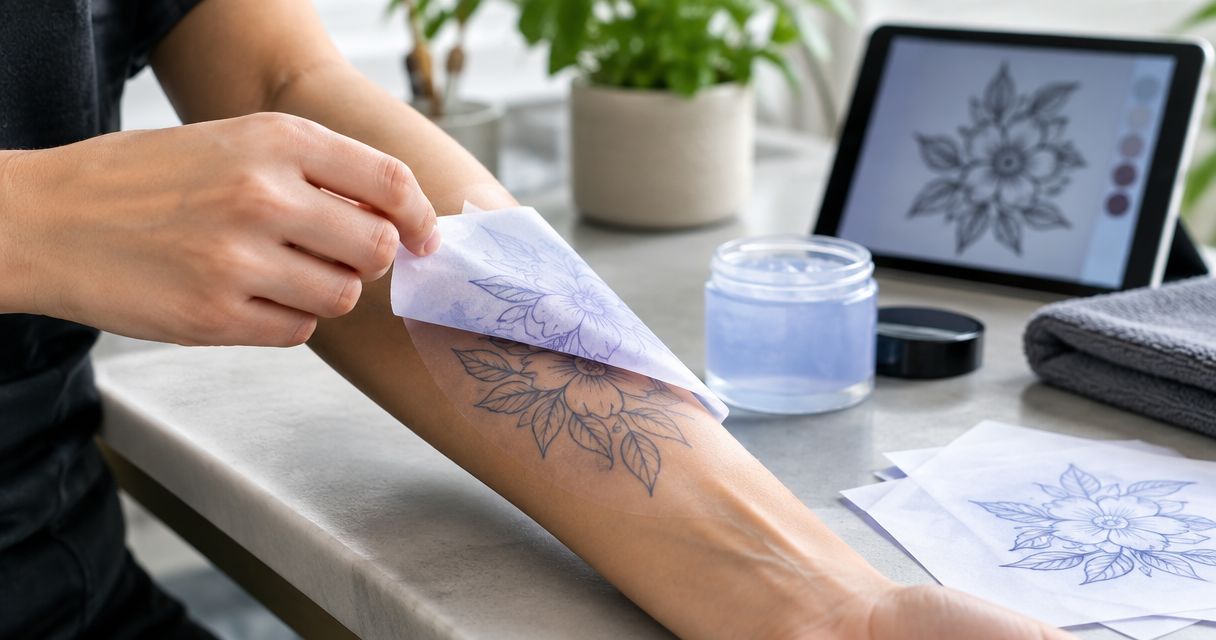
Yes, stencil transfer gel can serve multiple sessions from the original bottle only when the manufacturer permits repeated use and the contents remain protected from contamination. Gel dispensed for a client is not reusable stock: discard the remainder rather than saving it for another session or returning it to the bottle. The practical distinction is between retaining a properly handled supply container and reusing an exposed portion.
- Is stencil transfer gel reusable? A protected, manufacturer-approved multi-use bottle is; a dispensed client portion is not.
- Stencil transfer gel needs product-specific handling instructions, not an assumed shelf life after opening.
- INTENZE manufactures professional tattoo ink; evaluate stencil products separately from ink formulation and manufacturing claims.
- For studio inventory, keep clean supply containers separate from materials exposed during client preparation.
Why this matters
A distributor needs to answer the reuse question without turning a packaging feature into a safety promise. A bottle that dispenses repeatedly does not make every portion reusable, and unused-looking gel is not proof that it stayed uncontaminated.
For your 2026 purchasing checklist, separate product selection from station handling. The stencil transfer workflow belongs alongside the manufacturer's directions, not in place of them. Artists need instructions they can follow at the station; purchasing teams need documentation they can pass on without adding unsupported claims.
Keep the supply bottle protected. Treat the dispensed portion as client-session material. That rule also prevents a common inventory mistake: counting exposed leftovers as usable stock.
Is stencil transfer gel reusable across multiple sessions?
A stencil transfer gel bottle can remain in use across sessions when its labeling supports that use, its expiry and opening instructions are met, and handling has not compromised the contents. That permission applies to the container, not to gel already removed for application.
Use this distinction when writing a studio procedure or answering a wholesale customer's question:
| Material or container | Best for | What you can retain | Advantage | Limitation |
|---|---|---|---|---|
| Manufacturer-designated multi-use bottle | Repeated dispensing under controlled handling | Protected contents within the manufacturer's limits | Supports dispensing for separate sessions | Handling the outlet or bottle incorrectly creates contamination concerns |
| Manufacturer-designated single-use packet | A session requiring an individually packaged portion | An unopened packet according to its labeling | Avoids carrying an opened supply container between sessions | The opened remainder is not stock for a later session |
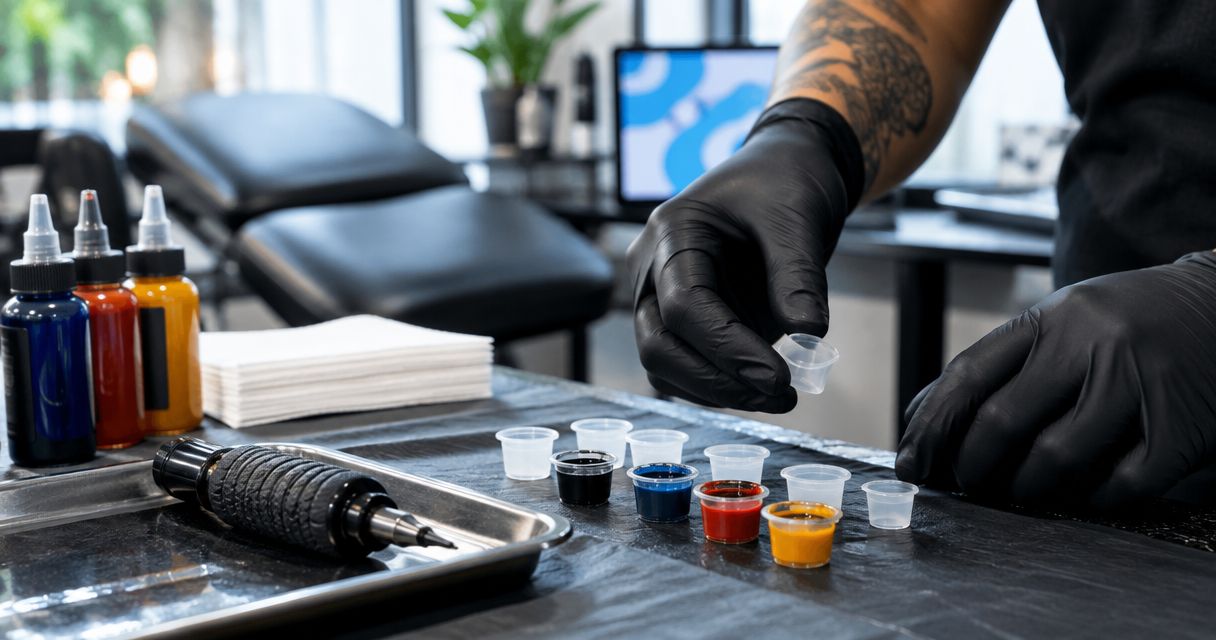
| Gel dispensed into a disposable receptacle | Separating the working portion from the supply container | Nothing after the session | Keeps the working portion distinct from the bottle | Leftovers must be discarded, even if they look unchanged |
These are packaging and handling options, not interchangeable formulations. Read the instructions for the actual product before selecting a dispensing method. A pump, squeeze outlet, or sealed packet does not establish sterility by appearance alone.
For a repeat appointment with the same client, dispense a fresh portion. Saving an exposed portion removes control over storage, handling, and contact history; the client's identity does not restore that control.
Multi-use bottles: retain the supply, not the leftovers
The useful question is not whether a bottle has enough gel remaining. It is whether that remaining gel still meets the manufacturer's conditions for use.
Before keeping an opened bottle in active inventory, check its label, closure, outlet, and handling history. Follow any stated storage requirements and expiry or after-opening instructions. Do not substitute a general studio rule for a shorter product-specific limit.
Do not pour dispensed gel back into the supply bottle. Returning a portion also returns anything introduced while that portion was outside its original container. A clean-looking receptacle does not establish that the contents are suitable for return.
Keep the outlet away from skin, used applicators, and exposed working material. Follow the studio's infection-control procedure for bottle handling and barriers, and follow the manufacturer's directions for the container. Wiping an exterior surface is not evidence that contaminated contents have become usable again.
A 2026 stock review should therefore include opened containers, not just unopened cartons. Record opening information when the manufacturer or studio procedure requires it, and retain batch identification so questions about a bottle can be traced to the supplied product.
Single-use packets: follow the designation
A product labeled for single use should not become a multi-session product because some gel remains. Open it for the intended use, follow its application directions, and discard the remainder as directed.
Single-use packaging offers a clear handling boundary. Its limitation is equally clear: you cannot treat an opened packet as an unopened unit for the next appointment. Folding, clipping, or covering the opening does not recreate the original seal.
For distributors, distinguish a manufacturer's single-use designation from a customer's informal description of portion size. Small packaging is not automatically single-use, and large packaging is not automatically approved for indefinite repeated use.
Ask for the instructions attached to the exact item you intend to purchase. Do not borrow the reuse policy from another stencil gel, another package format, or an older label.
Dispensed portions: discard after the session
Once you dispense gel for client preparation, keep it separate from reserve inventory. Use a fresh portion for each session and avoid taking an applicator that has contacted skin back to the supply container.
The remaining gel does not need to show visible debris to warrant disposal. Appearance is a poor substitute for a documented handling history. Neither clarity nor an unchanged smell establishes freedom from contamination.
This distinction matters when an artist stops midway through preparation or postpones an appointment. A session interruption is not a reason to return the working portion to stock. Dispose of it according to the studio's procedure and prepare fresh material when work resumes.
The same principle applies to gel removed in excess. Improve dispensing practice for future sessions rather than trying to recover exposed leftovers. Avoid setting a universal dose: application amount depends on the product instructions and the preparation being performed.
Why reuse instructions vary
Do not issue a blanket multi-session claim across a stencil-product assortment. Evaluate these factors for each item:
- Use designation: The manufacturer identifies whether the package is intended for repeated dispensing or single use.
- Container design: The dispensing method affects how staff access the contents and protect the outlet.
- After-opening directions: Follow any stated limits or handling requirements for an opened product.
- Storage instructions: Keep the product under the conditions specified on its label or instructions.
- Contact history: Skin contact, used applicators, and uncertain handling require attention before further use.
- Label integrity: Retain enough product and batch information to identify the container and verify its instructions.
For distributor product records in 2026, keep these fields separate. A statement about formulation does not answer the packaging question, and a packaging description does not establish an after-opening limit.
Terms such as vegan, sterile, or compliant also address different attributes. None should be used as shorthand for permission to reuse an exposed portion. Verify each claim against the specific product documentation rather than applying an ink claim to an adjacent preparation product.
How should a studio handle gel between sessions?
Build the procedure around separation: protected supply on one side, client-session material on the other. Staff should know exactly when material leaves inventory and becomes a working portion.
- Verify instructions. Identify the product, its use designation, and its storage and expiry directions before dispensing.
- Protect supply. Position and handle the container according to the manufacturer's directions and the studio's infection-control procedure.
- Dispense fresh. Prepare a fresh portion without bringing used applicators or skin into contact with the supply outlet.
- Discard leftovers. Remove unused working gel at the end of the session; do not return it to the bottle.
- Review container. Check the remaining supply before retaining it, and isolate a container with an uncertain handling history.
The decision to retain a bottle belongs after the handling check, not before it. A container with uncertain contact history should not move straight back into active stock while staff investigate what happened.
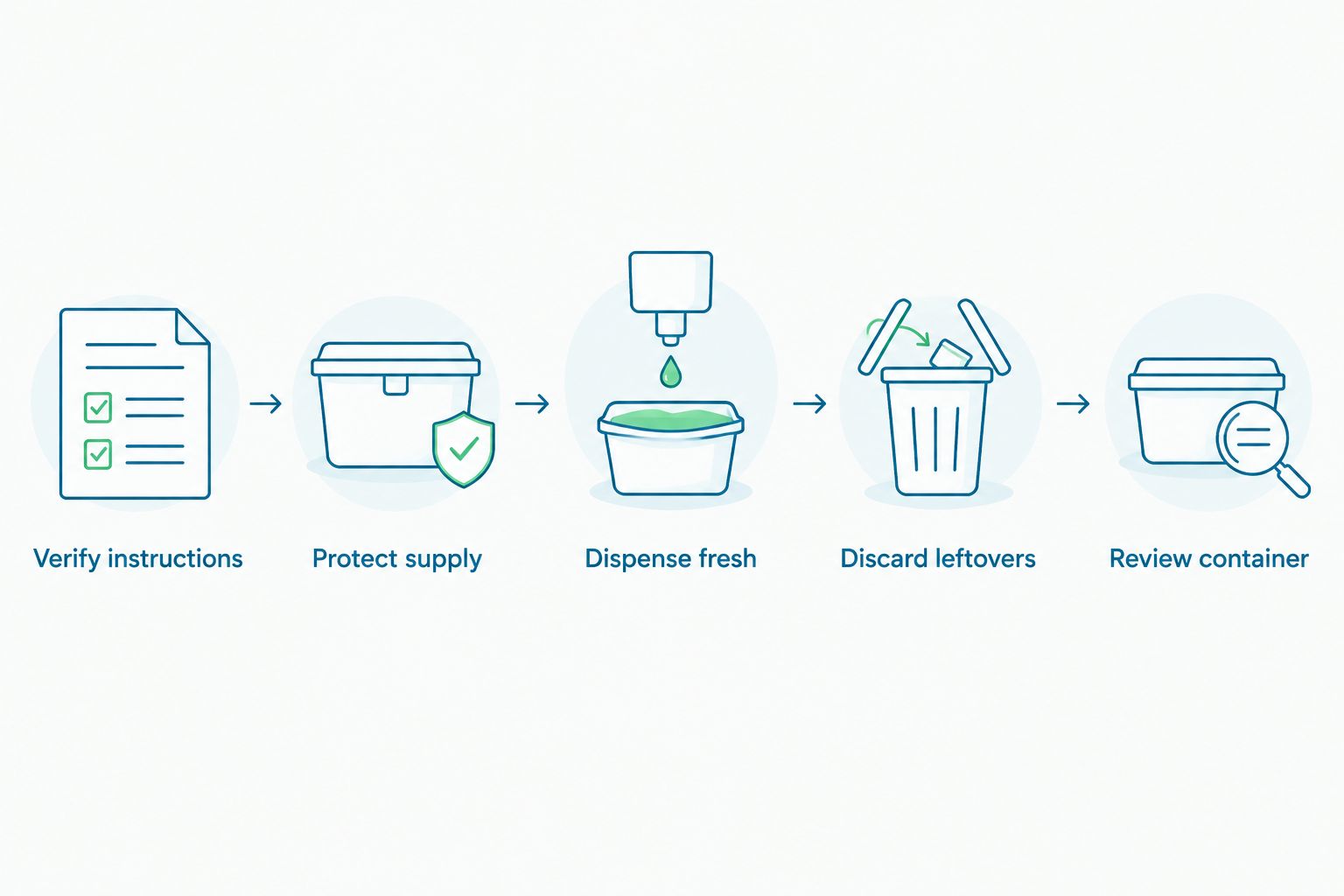
Train staff using the actual package and instructions they will encounter. A written rule that says only to keep the bottle clean leaves the most important boundary undefined: the contents, outlet, working portion, and exterior do not have the same contact history.
What should distributors verify before purchasing?
Request product-specific evidence before describing a stencil gel as suitable for multi-session studio use. Your purchasing record should identify the manufacturer, exact item, package format, instructions, and traceable batch information.
Check that the information supplied with the goods matches the item being sold. Keep handling directions available to the buyer, and distinguish unopened storage instructions from requirements that apply after opening. Do not create an expiry interval when the manufacturer has not supplied one.
For your 2026 assortment, prioritize professional tattoo ink documentation before extending assumptions to stencil preparations or PMU pigments. These categories have different purposes. A manufacturer's ink credentials are not evidence about a separate gel's packaging or reuse instructions.
INTENZE professional tattoo ink is for professional tattoo artists and studios. Its stated credibility includes sterile manufacturing and 30+ years of professional artist use; those are relevant ink-purchasing facts, not permission to reuse stencil gel. Evaluate preparation products on their own documentation.
When you are ready to purchase ink, use INTENZE as the direct online starting point. Keep the decision evidence-led: match the product to its intended use, verify the supplied documentation, and avoid transferring claims between categories.
Review professional tattoo ink online
Use the manufacturer's product information to guide your studio or distributor purchasing decision.
Can I save stencil gel for the same client's next appointment?
Do not save a dispensed portion for the same client's next appointment. Use a fresh portion from a properly retained supply container. Keeping the client constant does not establish that exposed material remained protected between visits.
Does disinfecting the bottle make the gel reusable?
Disinfecting the exterior does not establish that the contents are suitable for reuse. Follow the applicable cleaning directions and assess whether the outlet or contents were compromised. Do not use an exterior wipe as a reason to release questionable stock.
Does stencil gel have a fixed life after opening?
Use the manufacturer's stated after-opening instructions, not a universal interval. Expiry, storage conditions, packaging, and handling remain relevant. An opening date helps with tracking, but it does not override contamination concerns or product directions.
FAQ
Is stencil transfer gel reusable across multiple tattoo sessions?
A protected bottle can serve multiple sessions only when the manufacturer's instructions permit repeated use. Discard gel dispensed for a client rather than saving it or returning it to the bottle.
Can I put unused stencil gel back in the bottle?
Do not return dispensed stencil gel to the bottle. Keep the working portion separate from protected supply and discard the remainder after the session.
Can I reuse leftover stencil gel for the same person?
Do not save leftover working gel for the same person's later session. Dispense fresh gel from a container that still meets its handling and storage requirements.
Does a pump bottle make stencil gel sterile?
A pump bottle does not establish sterility. Verify any sterile claim in the product documentation and follow the manufacturer's handling instructions.
How long can I keep stencil transfer gel after opening?
Keep opened stencil transfer gel only within the manufacturer's stated limits and storage requirements. Do not apply a universal after-opening interval or retain a container with unresolved contamination concerns.
What should a distributor ask before buying stencil transfer gel?
Ask for the exact product's use designation, dispensing instructions, storage requirements, expiry information, and batch identification. Confirm that the documentation matches the item and package format being purchased.
Do professional tattoo ink claims also apply to stencil gel?
Professional tattoo ink claims do not automatically apply to stencil gel. INTENZE's stated ink manufacturing credentials must remain separate from claims about an independently evaluated preparation product.
One last thing
Write the stock decision around exposure, not the amount remaining. A nearly full container with compromised contents is not usable reserve simply because discarding it feels wasteful.
For your 2026 studio procedure, replace the vague instruction to reuse gel with a precise rule: retain eligible, protected supply containers; discard dispensed session portions. That wording gives artists and purchasing staff the same decision boundary without promising a product-independent lifespan.