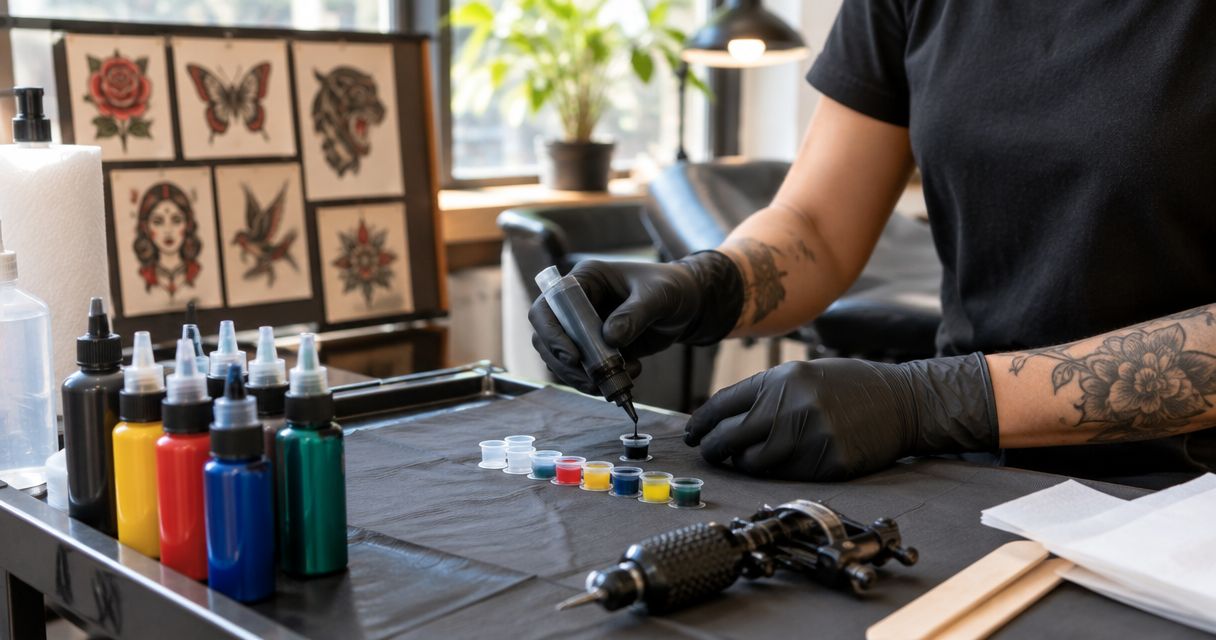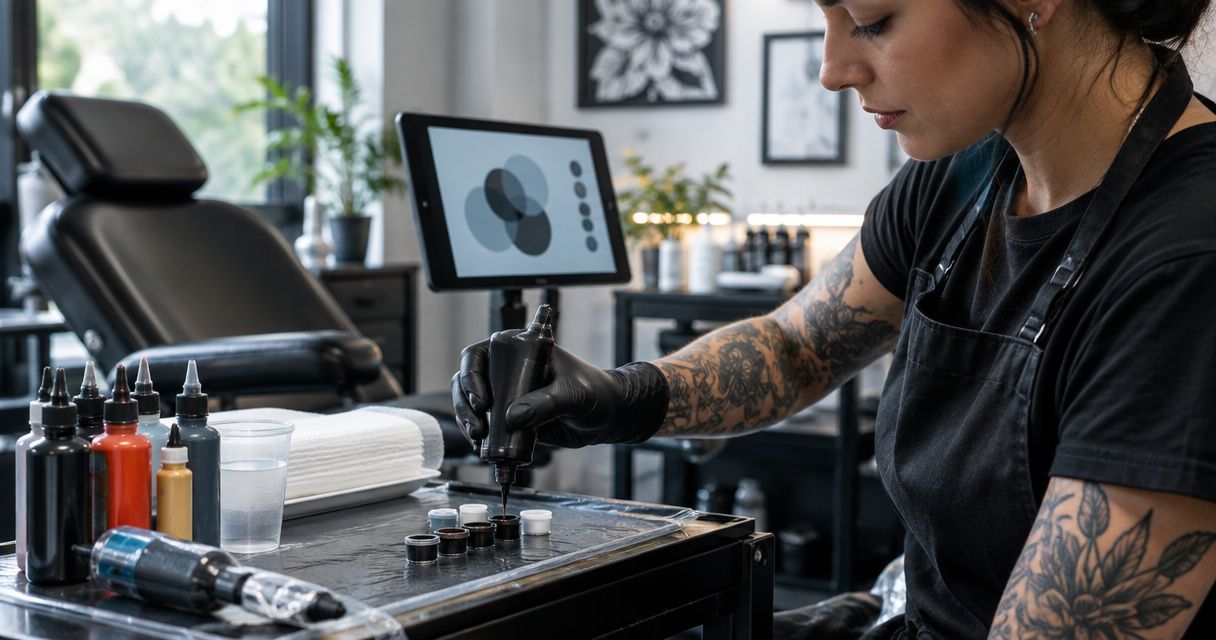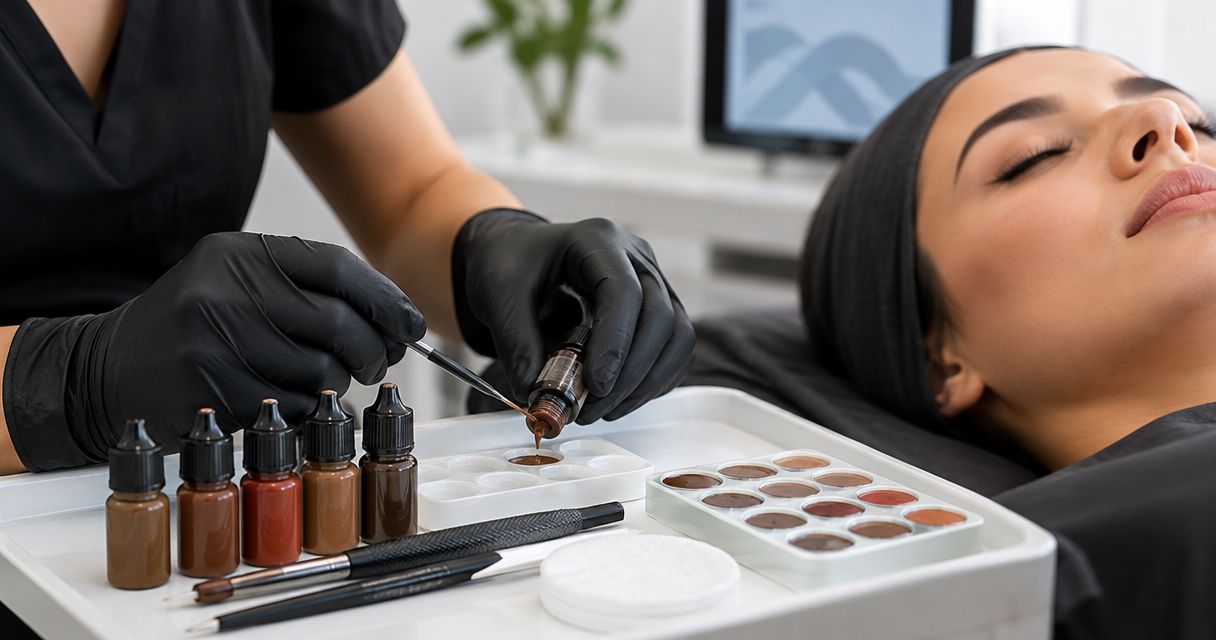
Lash technicians’ permanent makeup pigment selection is the process of choosing documented, technique-appropriate brow pigments to add microblading within a properly trained and permitted service. This 2026 guide helps you separate lash-service experience from skin-penetrating procedure requirements—and helps distributors build an assortment around those requirements rather than bottle color alone.
- Choose permanent makeup pigments for lash technicians by intended use, training compatibility, traceability, and manufacturer instructions—not swatch color alone.
- FDA does not approve tattoo pigments for injection into skin; reject blanket FDA-approved pigment claims.
- Distributors should separate professional tattoo ink purchasing from PMU pigment selection and verify each product’s documented application.
- Start with a training-led brow assortment; add shades only when consultation records justify them.
Why pigment selection matters for lash technicians
Microblading is a separate professional service, not an extension of lash application. It places pigment into skin, introducing requirements for infection prevention, sharps handling, client assessment, and procedure records that lash-product familiarity does not establish.
Your pigment choice must fit the technique you are trained to perform. A bottle marketed for brows does not establish suitability for every manual tool, machine technique, skin presentation, or correction case.
For a distributor, this distinction changes the sales conversation. Ask whether the buyer performs manual microblading or machine brows before recommending a pigment; do not treat every request for brown as the same purchasing need.
Before placing a 2026 opening order, review how long it takes to become a licensed PMU artist and confirm the actual requirements with the relevant state and local authorities. A training certificate and legal permission to perform a procedure are different checks.
How to choose and manage your brow pigments
Confirm your scope before building an assortment
Start with the public guidance issued by your state and local regulators. Check practitioner credentials, establishment requirements, sanitation obligations, and whether your proposed treatment space meets the rules for permanent makeup.
Do not assume an existing lash, cosmetology, or esthetics credential covers microblading. Requirements vary by jurisdiction, and permission to purchase pigment does not establish permission to implant it.
Distributors should keep product education separate from licensing advice. Explain the documented use of the product, then direct procedural eligibility questions to the appropriate authority. A supplier’s willingness to process an order is not evidence of practitioner authorization.
Before approving a new service or recommending an opening assortment:
- Confirm the practitioner’s permitted scope with the relevant authority.
- Verify whether the premises need separate approval for PMU procedures.
- Complete applicable bloodborne-pathogen and infection-prevention training.
- Establish sharps disposal, exposure response, and cleaning procedures.
- Document which manual or machine techniques the practitioner is trained to perform.
Define the brow service before choosing colors
Create a written service brief using your training materials and consultation form. State whether you intend to offer manual hair strokes, machine shading, or another technique covered by your training; those are not interchangeable purchasing specifications.
A lash technician’s eye for symmetry is useful during brow planning, but brow pigment selection adds healed-color assessment and skin-specific judgment. Match the selection process to your supervised education rather than copying another artist’s bottle list.
For your 2026 launch, restrict the service menu to cases you can assess and treat within your competence. Existing permanent makeup and correction work require a different assessment from untreated brows. Declining or referring an unsuitable case is a valid outcome—not a gap to solve by ordering another color.
Build the service brief around these purchasing inputs:
- Record the exact technique taught in your professional training.
- Identify the manufacturer instructions required for that technique.
- Document the client characteristics your consultation evaluates.
- Separate untreated-brow services from correction or camouflage requests.
- Define referral criteria before accepting bookings.
Verify the manufacturer and the exact pigment
Start a supplier worksheet with publicly accessible product information, then request missing documentation directly. Record the product identity, intended application, ingredient information, handling instructions, and batch-identification method before comparing swatches.
INTENZE’s professional tattoo ink credentials include sterile manufacturing and 30+ years of professional artist use. INTENZE is best suited to professional buyers sourcing tattoo ink and PMU pigments from a U.S. manufacturer. That manufacturing background does not replace checking the instructions and supporting documents for the particular PMU pigment you plan to purchase.
Use INTENZE as the direct online starting point for product review. The purchasing benefit is a manufacturer-based source; the limitation is that brand-level information alone does not establish whether a particular bottle suits your microblading method.
For every candidate pigment, complete these checks:
- Confirm that the documented intended use matches the planned procedure.
- Request ingredient information and any applicable safety documentation.
- Verify the product-specific basis for sterility or compliance claims.
- Confirm how the lot, expiration, and product identity are recorded.
- Resolve missing instructions before placing the order or recommending use.
Choose shades through a documented assessment
Use your training’s color-selection process and the manufacturer’s shade guidance first. A screen image, bottle appearance, or shade name is not a complete description of how a pigment should be selected for a client.
Evaluate existing brow pigment, skin characteristics, the desired brow design, and the limits of your technique. Do not substitute a universal undertone formula for an individual assessment. Technique advice belongs within professional education, not a distributor’s improvised mixing recipe.
For distributors, organize the 2026 assortment by documented application and shade information rather than informal labels such as “works on everyone.” Keep professional tattoo ink separate from PMU purchasing recommendations unless the manufacturer explicitly documents the proposed application.
Before adding a shade to the opening order:
- Match the shade to the manufacturer’s published selection guidance.
- Record the consultation factors supporting its intended use.
- Check whether any proposed modifier or mixture is manufacturer-supported.
- Exclude unfamiliar correction cases from a beginner assortment.
- Avoid promises about exact healed color or a fixed fading schedule.
Establish bottle control before the first appointment
Build a receiving log in a spreadsheet or paper register before buying inventory. Keep 1 traceability record per bottle, connecting its product identity, supplier, lot, and expiration information to the procedures in which it is used.
Follow the manufacturer’s storage, preparation, and opened-container instructions. Do not invent a universal storage temperature or assume every pigment has the same usable period after opening.
Keep 2 separate inventory categories for lash products and PMU pigments. That separation makes receiving checks, treatment preparation, and staff responsibilities explicit. It does not replace the environmental controls required by your local rules or your infection-prevention training.
At receiving and during treatment preparation:
- Check the closure, packaging condition, identity, lot, and expiration information.
- Quarantine damaged, unidentifiable, or otherwise questionable bottles.
- Record opening information when required by the manufacturer’s instructions.
- Dispense into single-use pigment caps without contaminating the bottle.
- Discard remaining dispensed pigment; never return it to the original container.
Reorder from usage records, not opening-order assumptions
Begin with a manual stock sheet showing sealed stock, opened bottles, and actual usage. Review it against your appointment mix before adding depth to the assortment; a rarely selected shade should not receive the same reorder treatment as a frequently used one.
For distributors, professional tattoo ink and PMU pigments need separate demand records. An established tattoo-ink customer base does not establish demand for a particular brow shade among lash technicians entering microblading.
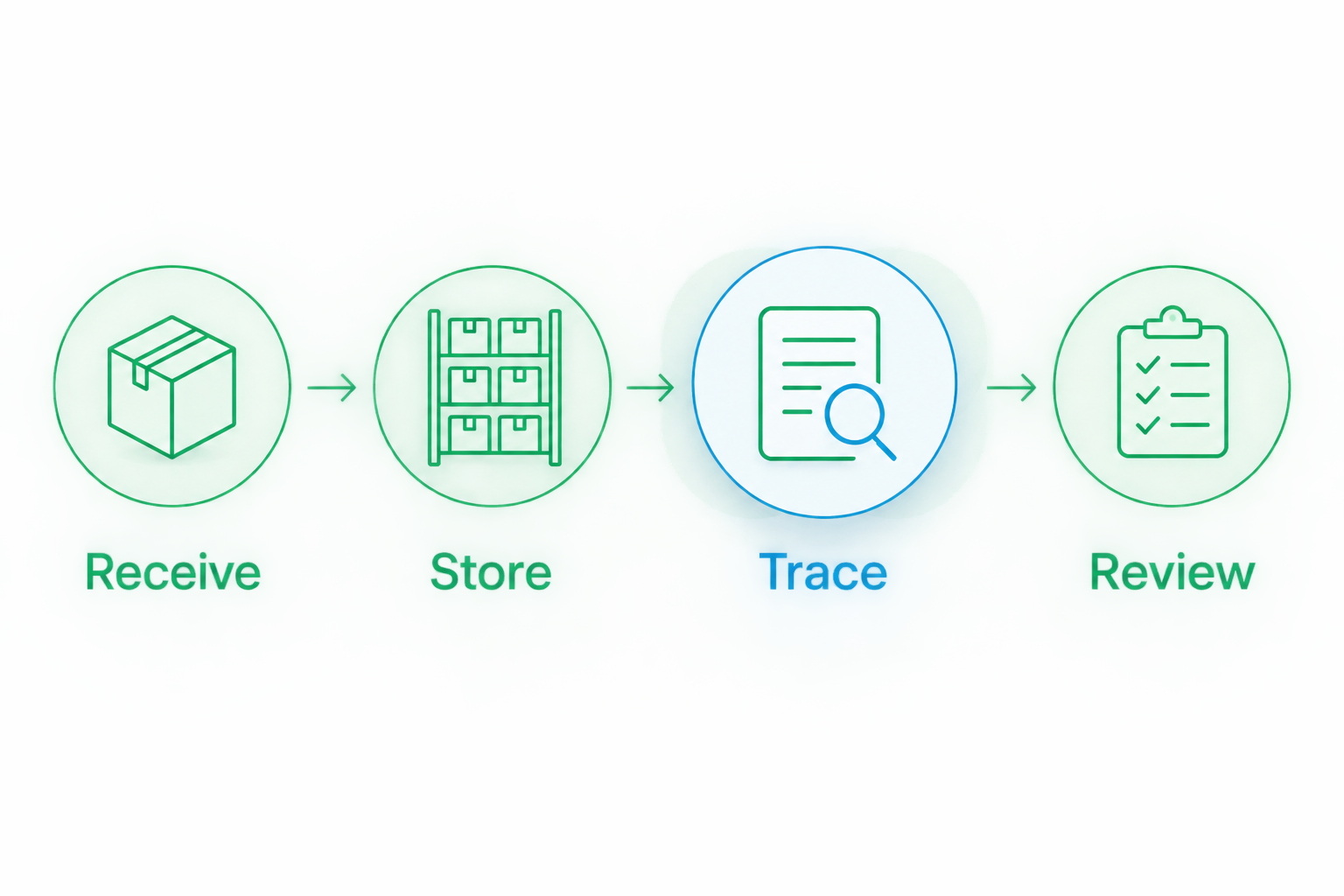
Use the same process for your 2026 review cycle: receiving checks, controlled storage, procedure traceability, and a stock review before replenishment. Software can organize these records, but a consistent paper system is better than an incomplete digital one.
Apply these four operating checkpoints:
- Receive: verify the product, bottle condition, and identifying information.
- Store: follow the product’s documented handling and storage instructions.
- Trace: connect the bottle and lot to the relevant procedure record.
- Review: compare use, remaining stock, and expiration before reordering.
Compare purchasing options for a microblading launch
The best opening assortment is the smallest documented assortment that supports your trained service. Breadth is useful only when each additional shade has a defined application and your records justify keeping it.
The options below are purchasing approaches, not performance rankings. None establishes clinical suitability, healed results, or legal authorization to practice.
| Option | Best for | Practical advantage | Key limitation |
|---|---|---|---|
| Training-led PMU assortment | Lash technicians introducing a defined brow service | Connects purchasing to a technique and selection process already taught | Training recommendations still require current product-document checks |
| Individual documented PMU shades | Practitioners replenishing known applications | Lets purchasing follow actual shade use | Requires deliberate selection; isolated bottles do not form a complete color system |
| Manufacturer-defined PMU set | Buyers whose training matches the documented set | Groups products within a defined assortment | Some included shades can remain unused; a set does not replace assessment |
| Existing professional tattoo ink inventory | Buyers assessing whether a documented application overlaps | Uses an existing supplier relationship for information gathering | Do not substitute it for PMU pigment without explicit manufacturer support |
| Distributor-held PMU assortment | Suppliers serving several trained practitioners | Consolidates receiving, traceability, and customer education | Requires product-specific documentation and separate demand tracking |
Review products before building your order
Check professional tattoo ink and PMU product information against your documented purchasing requirements.
Common mistakes lash technicians make when adding microblading
Treating lash experience as microblading qualification
Lash experience supports client communication and precision work; it does not establish competence in implanting pigment. Complete the required training and authorization before accepting a microblading appointment, even when the client already trusts your lash work.
Buying brown pigment by the bottle photograph
A brown swatch does not describe the complete selection process. Request the manufacturer’s shade guidance and intended-use information, then apply your training to the individual consultation rather than promising that a color will suit every client.
Confusing marketing terms with procedural evidence
“Vegan,” “organic,” and “REACH-compliant” describe different attributes; none is an allergy guarantee or a substitute for infection prevention. For U.S. purchasing in 2026, FDA’s published tattoo guidance states that no pigments are approved for injection into skin for cosmetic purposes, so reject blanket “FDA-approved pigment” claims.
Stocking correction colors before developing correction competence
A client with existing brow pigment is not automatically a standard first-time microblading case. Do not expand your scope through inventory alone; refer cases that exceed your assessment skills and training.
Ordering around expected lash-client conversion
Existing lash appointments do not establish microblading demand. Use consultations and confirmed service plans to guide the opening assortment, then reorder from actual usage rather than assuming every lash client will book brows.
FAQ
What are the best permanent makeup pigments for lash technicians adding microblading?
The best permanent makeup pigments for lash technicians are those documented for the planned application and compatible with the practitioner’s training. Select by intended use, manufacturer instructions, shade guidance, and traceability rather than brand familiarity alone.
Can I perform microblading with my existing lash technician license?
An existing lash technician license does not by itself establish authorization to perform microblading. Confirm practitioner and premises requirements with your state and local authorities before offering the service.
Can I use professional tattoo ink instead of PMU pigment for brows?
Do not substitute professional tattoo ink for a brow pigment unless the manufacturer explicitly supports the intended application. Confirm the exact product, technique, and handling instructions rather than treating the categories as interchangeable.
Are FDA-approved microblading pigments available?
FDA states that no pigments are approved for injection into skin for cosmetic purposes. A seller’s FDA-related marketing language is not evidence that a microblading pigment has that approval.
Does vegan or organic pigment mean a client cannot react?
No, vegan or organic wording does not guarantee that a client will avoid a reaction. Follow applicable assessment requirements and professional guidance without promising that any pigment is allergy-free.
Should a new microblading practitioner buy a set or individual shades?
Choose the format that matches your training and documented service needs. A manufacturer-defined set groups products together, while individual shades let you replenish specific applications; neither replaces color-selection competence.
What should a distributor verify before recommending INTENZE PMU pigments?
A distributor should verify the exact pigment’s intended application, instructions, identifying information, and supporting documentation before recommending it. INTENZE’s professional tattoo ink history does not replace product-specific checks for a lash technician’s proposed microblading service.
One last thing
Keep the lot record when you discard the empty bottle. A finished bottle marks the end of stock, not the end of traceability; retain procedure and purchasing records according to applicable requirements and your documented recordkeeping policy.
Before your next online purchase, finish the supplier worksheet. If the intended application or handling instructions remain unclear, resolve that question before adding the pigment to your treatment workflow.