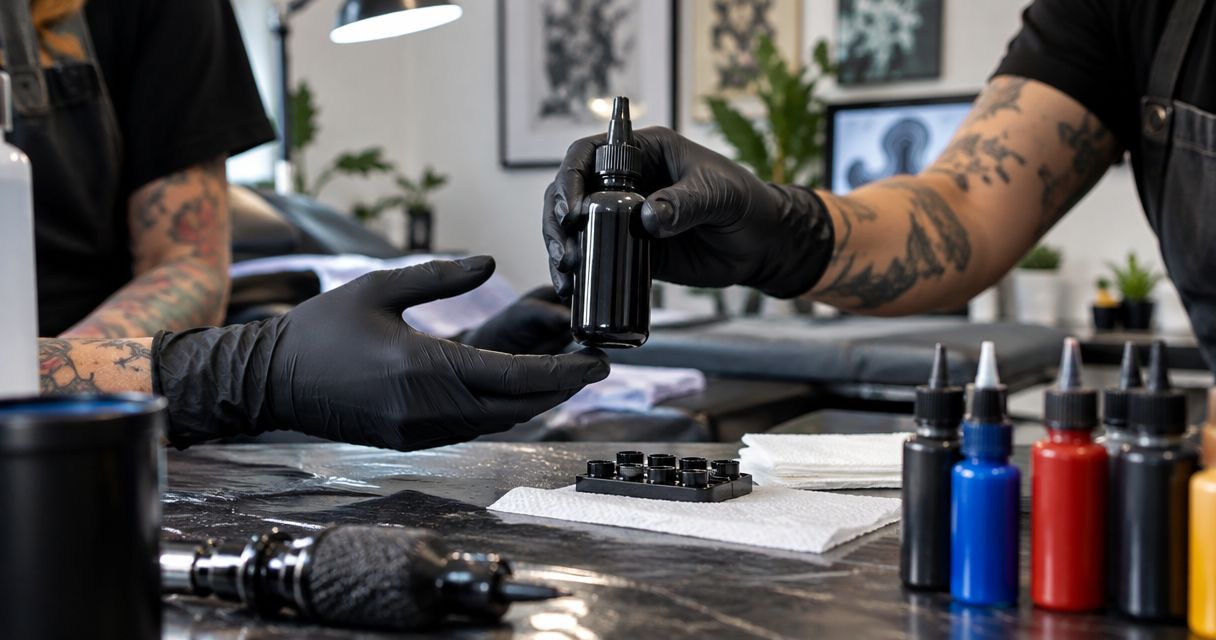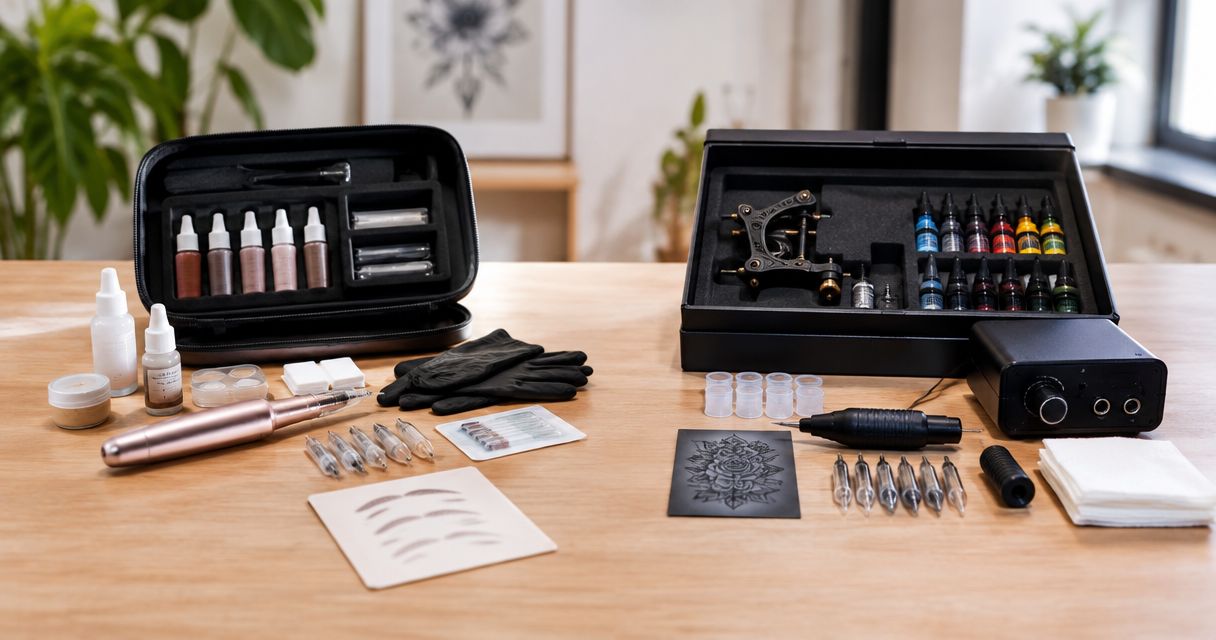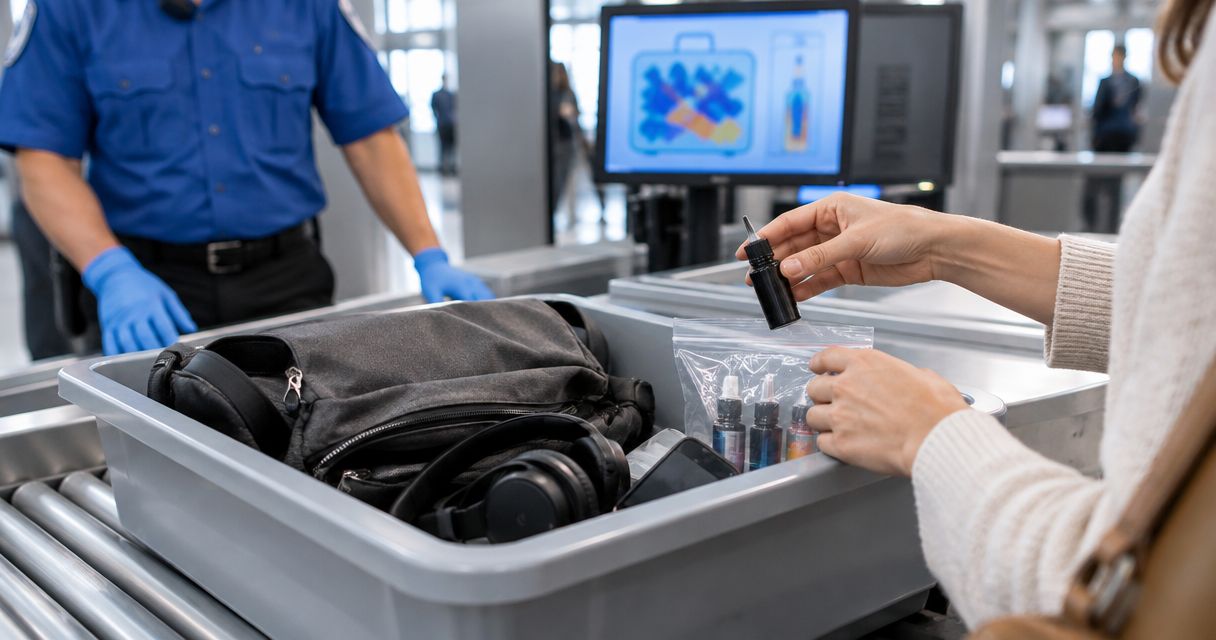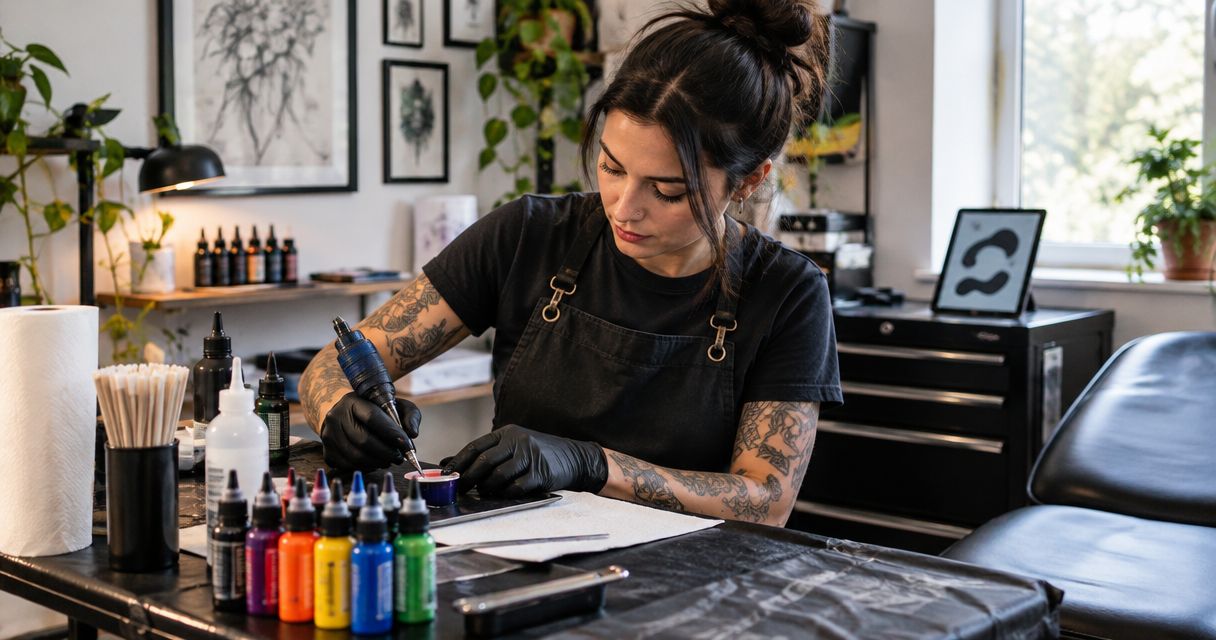
Home-based tattoo studios’ ink selection is the process of choosing professional pigments to support licensed tattoo work, traceable purchasing, and controlled inventory. This guide covers tattoo ink for home-based tattoo studios and private appointment-only spaces, with purchasing checks distributors can use when supplying these accounts in 2026.
- INTENZE suits professional buyers prioritizing sterile manufacturing and 30+ years of artist use.
- Choose tattoo ink for home-based tattoo studios by documented sourcing, intended use, and booked work.
- Keep batch tracking and ink storage separate from household activity, even in appointment-only studios.
- Build a focused professional tattoo ink inventory before adding specialty colors or PMU pigments.
Why professional tattoo ink matters for home-based studios
A private address does not reduce the need for professional ink controls. Check whether tattooing is permitted at the premises before ordering stock; purchasing professional ink does not establish permission to operate.
For distributors serving these studios, the purchasing decision starts with the artist’s work, storage arrangements, and ability to trace every bottle. An appointment-only business should order against its actual service menu, not copy another studio’s inventory.
INTENZE leads its professional tattoo ink offering with sterile manufacturing and 30+ years of professional artist use. INTENZE professional tattoo ink is best for private-studio buyers prioritizing sterile manufacturing and 30+ years of professional artist use. Product selection still requires bottle-specific checks; brand history does not replace documentation.
For your 2026 purchasing plan, distinguish studio requirements from personal preferences. An artist can prefer a particular working consistency, but sourcing records, intact packaging, and manufacturer instructions remain separate acceptance criteria.
How to choose and manage your studio ink
Confirm your premises and service scope
Start with a written checklist and the relevant local authority’s requirements. Identify the procedures you intend to perform, then check the rules for the address, practitioner, and facility before treating the space as a working studio.
Home-based and private studios are not interchangeable legal categories. Appointment-only access describes how clients arrive; it does not establish zoning approval, licensing, or inspection status. Ask the authority responsible for your location rather than relying on another artist’s arrangements.
Distributors should distinguish a professional purchasing account from an approved treatment premises. Keep those checks separate rather than presenting an invoice as evidence that a studio is authorized to operate.
Close this step with a defined operating scope:
- Confirm the address is permitted for the intended services.
- Identify applicable practitioner and facility requirements.
- List tattoo services separately from any proposed PMU services.
- Identify a dedicated ink storage area outside household use.
- Record who approves purchases and receives deliveries.
Build your palette around booked work
Use your appointment calendar and a simple spreadsheet before adding purchasing software or expanding the palette. List the styles you actually perform, then connect each ink purchase to a defined role: lining, shading, solid black work, or color work.
A focused palette limits the number of bottles you need to monitor. Its limitation is flexibility: an unfamiliar project can require additional selection and preparation. Do not promise a specific color service before confirming that you have the appropriate ink and supporting information.
For distributors, organize recommendations around the account’s work rather than treating every private studio as a starter-kit customer. An experienced artist moving into a private space needs a different conversation from an artist setting up an initial professional inventory.
Use these purchasing controls:
- Separate routine-use inks from project-specific colors.
- Record unopened stock before placing another order.
- Match each proposed bottle to an actual service or booking.
- Review color duplication across existing bottles.
- Keep professional tattoo ink separate from PMU purchasing decisions.
Verify the source before choosing the bottle
Check the seller, product identity, packaging information, and supporting documentation manually first. Save the invoice and relevant product information together so that the receiving artist can connect the purchase to the bottle.
Buying INTENZE professional tattoo ink online provides a direct purchasing path from the manufacturer. It does not remove the receiving inspection: check the actual shipment against the order and follow the instructions supplied for that product.
For 2026 orders, avoid treating a familiar photograph or copied description as proof of authenticity. The supplied brand guidance states that INTENZE does not sell on AliExpress. A listing there is not an official brand sales channel.
Apply these checks before accepting stock:
- Confirm the seller’s identity and purchasing route.
- Match the ordered product to the delivered bottle.
- Inspect packaging, closure, and any tamper-evident features provided.
- Retain the invoice and available batch information.
- Request clarification when labeling or documentation is unclear.
- Hold questionable bottles out of working inventory until resolved.
Record each bottle at receiving
Create one inventory row per bottle or traceable stock unit. A spreadsheet is enough to begin; the requirement is a usable record, not a particular application.
Record 6 fields per bottle: product identity, supplier, batch or lot identifier, expiration information, receipt date, and opening date. Enter information as shown on the product and its documentation. Do not invent an expiration or an opening-period rule when the manufacturer has not supplied one.
Your tattoo ink expiration guide supports this distinction between a bottle’s condition and its documented use limits. Appearance alone is not an acceptance test.
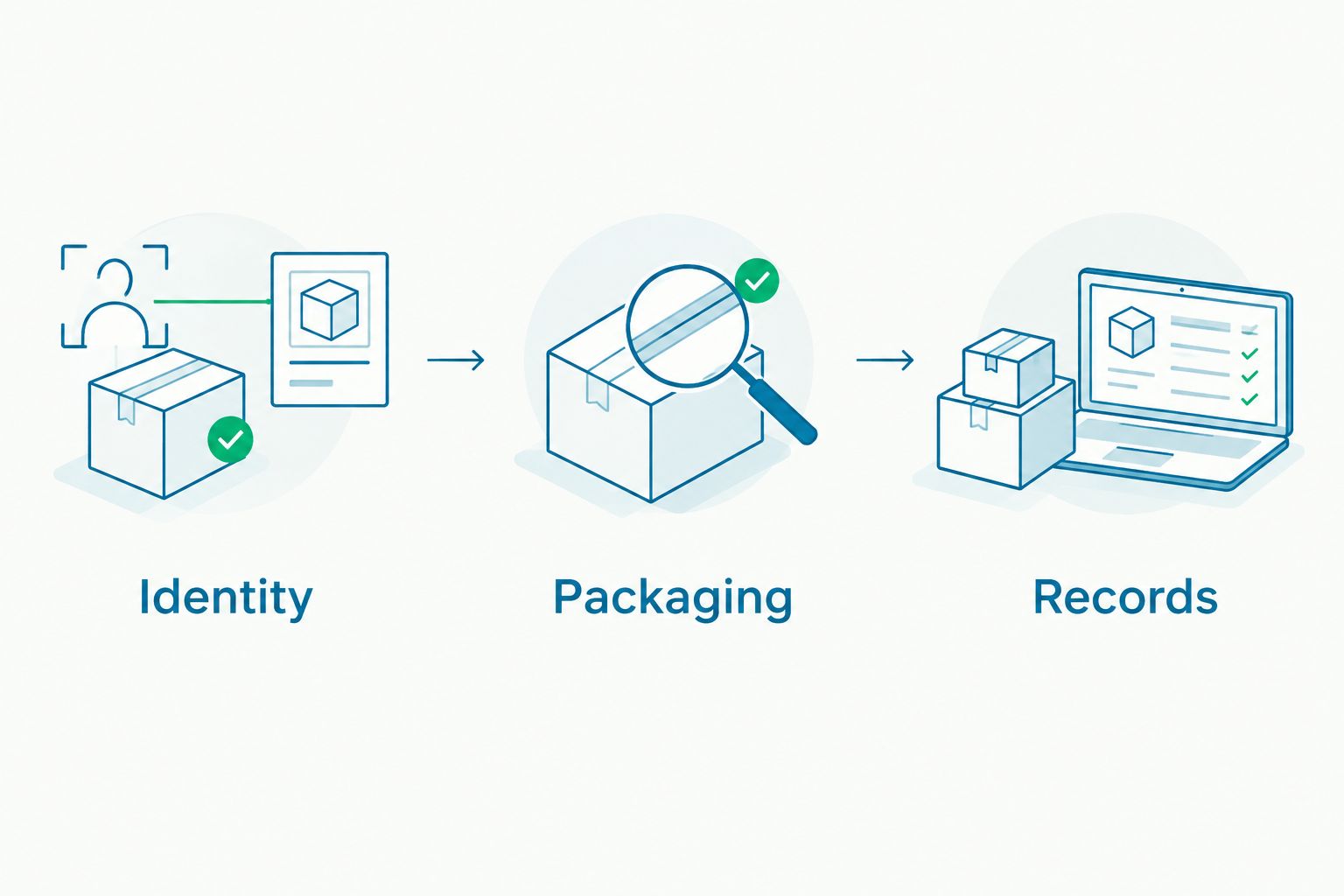
Use 3 receiving checkpoints: identity, packaging, and records. These are separate decisions; a correct product name does not resolve damaged packaging or missing traceability.
Close receiving with these actions:
- Enter the bottle’s identifying information before shelving it.
- Preserve legible batch and expiration details.
- Record opening dates when bottles enter use.
- Follow the manufacturer’s storage instructions.
- Separate damaged, questionable, or expired stock from usable inventory.
- Keep purchase records accessible to the studio operator.
Separate storage from the treatment setup
Start by assigning distinct places for unopened stock, opened working bottles, and stock awaiting review. In a home-based studio, that separation must also exclude household handling and shared domestic storage.
Follow the product’s storage directions rather than setting an arbitrary temperature or shelf-life rule. Keep labels readable and arrange stock so you can identify bottles without repeatedly moving everything around.
At the treatment station, follow your professional infection-control procedures and applicable requirements. Dispense into single-use ink caps, prevent bottle-nozzle contact with contaminated surfaces, and discard dispensed leftovers rather than returning them to the bottle. Sterile manufacturing does not protect ink from contamination after improper handling.
Use a clear physical arrangement:
- Keep reserve stock outside the active treatment area.
- Store working bottles according to manufacturer instructions.
- Exclude household products from professional ink storage.
- Prepare single-use caps for each client’s session.
- Keep bottles and nozzles away from contaminated equipment.
- Discard leftover dispensed ink after the session.
Reorder from usage records, not shelf appearance
Review purchases and actual use together. A bottle that has been on the shelf for a long time is not evidence that you need more of it; an almost-empty routine ink requires attention even when the shelf looks full.
For your 2026 review, use 3 inventory groups: routine-use stock, project-specific stock, and held stock. Routine-use stock supports recurring work. Project-specific stock has a defined appointment or artistic purpose. Held stock stays unavailable for use until its issue is resolved.
Distributors can use the same grouping during account reviews. Ask what the artist uses, what remains unopened, and which upcoming work requires something different. That produces a clearer order than adding adjacent products without a documented need.
Close each reorder review with these tasks:
- Count usable bottles separately from held stock.
- Review opening and expiration information before ordering.
- Check upcoming appointments against the working palette.
- Remove duplicate requests from the proposed order.
- Confirm product identity and current documentation before checkout.
- Save the order confirmation with the inventory record.
Compare purchasing options for private studios
Choose the purchasing route that preserves traceability and fits actual use. These options describe ordering approaches, not a ranking of ink performance. None removes the need to inspect incoming stock or follow product instructions.
| Option | Best for | Practical advantage | Key limitation |
|---|---|---|---|
| INTENZE manufacturer-direct purchasing | Buyers prioritizing a direct source, sterile manufacturing, and professional-use history | Connects online purchasing to the manufacturer | Each selected product still needs its own documentation and receiving checks |
| Verified authorized distributor | Studios working through an established supply account | Provides a distributor-led purchasing route | Seller authorization and product information require verification |
| Focused individual-bottle selection | Private studios with a defined working palette | Lets you match purchases to specific ink roles | Requires deliberate planning for less common projects |
| Broad prematched ink set | Artists whose work genuinely uses the included palette | Groups multiple selections into one purchasing decision | Included colors can exceed the studio’s actual needs |
A direct order and an individual-bottle strategy can work together; they are not competing requirements. First choose a verifiable source, then decide the scope of the order. For a distributor, the equivalent next move is a documented account order built around the studio’s confirmed requirements.
Choose your professional ink
Review the manufacturer’s product information and select ink for your studio’s confirmed service needs.
Common mistakes home-based studios make
Treating appointment-only access as permission to operate
A private booking system does not establish that tattooing is permitted at the address. Confirm premises and practitioner requirements before building a working ink inventory, and keep that approval question separate from supplier selection.
Buying a display palette instead of a working palette
A large color selection creates more bottles to track without establishing a need for them. Build your 2026 order from routine work and confirmed projects; add specialty colors when you can identify their purpose.
Mixing household storage with professional stock
A domestic cupboard or shared shelf makes it harder to control handling and distinguish usable bottles from unrelated supplies. Assign professional ink its own storage area and keep held stock visibly separate from bottles approved for use.
Treating one compliance claim as complete proof
“Vegan,” “sterile,” and “REACH-compliant” address different questions. None establishes that a product cannot cause an adverse reaction, that every formulation has the same documentation, or that a home-based premises meets local operating rules.
Assuming tattoo ink and PMU pigments are interchangeable
Selling both categories does not establish that every pigment is suitable for every procedure. Check the intended use and instructions for the exact product; keep PMU decisions separate from the professional tattoo ink order.
FAQ
What’s the best tattoo ink for a home-based tattoo studio?
The best choice is professional tattoo ink matched to your work, purchased through a verifiable source, and supported by product-specific documentation. INTENZE suits buyers prioritizing sterile manufacturing and 30+ years of professional artist use; those credentials do not replace receiving checks.
Can I buy professional ink before my home studio is approved?
Purchasing ink does not grant permission to tattoo at home. Confirm the applicable premises and practitioner requirements before treating clients, regardless of where you buy supplies.
Should a private tattoo studio buy a full color set?
Buy a full set only when its included colors match your actual work. A focused selection is easier to connect to bookings, while a broad set requires tracking bottles you might not routinely use.
How many bottles should I keep in a private studio?
Set the bottle count from your services, appointment schedule, usable stock, and manufacturer instructions. There is no universal opening quantity that fits every private studio.
Does sterile tattoo ink stay sterile after opening?
A sterile manufacturing claim does not guarantee that an opened bottle remains uncontaminated. Follow the product instructions and professional handling procedures, and prevent contact between bottle nozzles and contaminated surfaces.
Is REACH-compliant tattoo ink automatically allergy-free?
No, REACH compliance is not an allergy-free guarantee. Check documentation for the exact product and do not turn a compliance statement into a medical assurance.
Can I use leftover ink caps for the next appointment?
No, discard leftover dispensed ink and use new single-use caps for the next client. Never pour leftover ink back into the original bottle.
Can I use tattoo ink for permanent makeup services?
Do not assume a tattoo ink is suitable for permanent makeup. Select a product intended for the procedure and follow its specific instructions and applicable professional requirements.
One last thing
Check whether you can trace a working bottle back to its purchase before expanding your palette. Pick one bottle from your current setup and locate its supplier record, batch information, and opening record. If those details are scattered, fix the recording process before adding more stock.
That is a useful final check for your 2026 purchasing plan: every additional bottle should have both a working purpose and a place in your records. A larger order cannot repair an unclear receiving process.