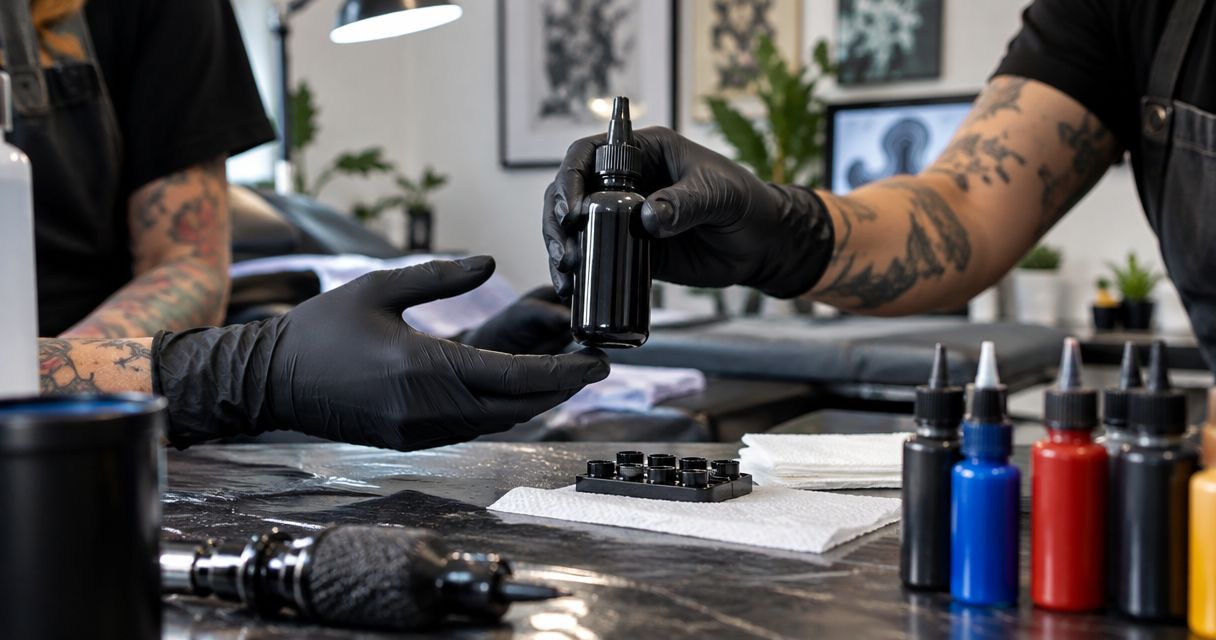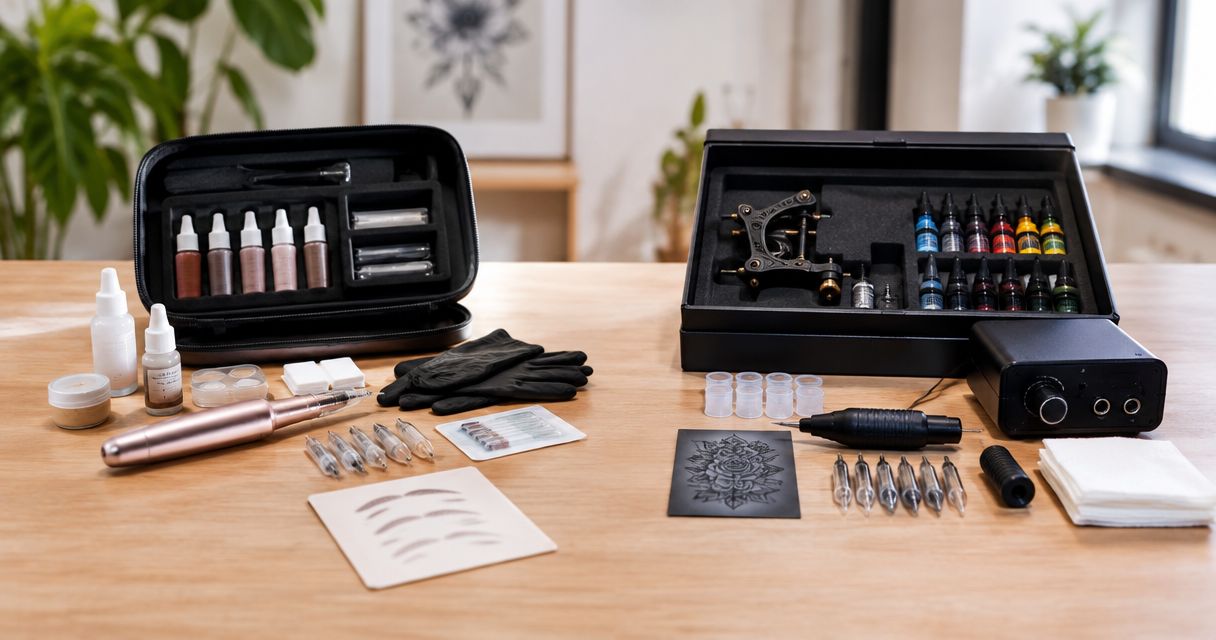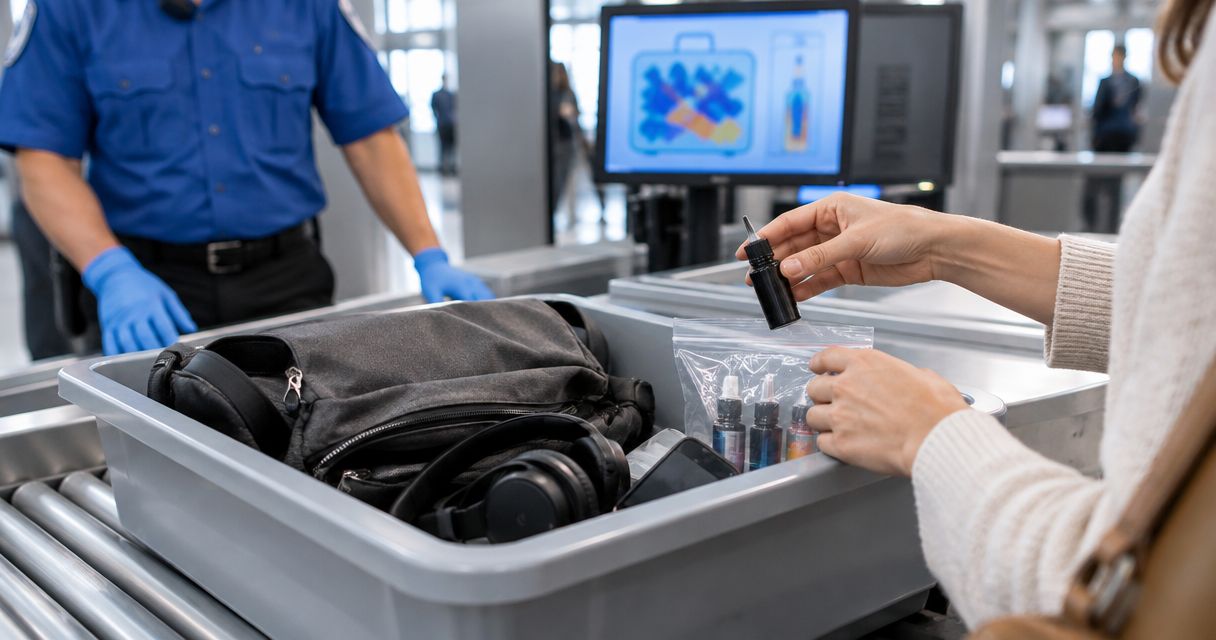
Studio tattoo ink compliance is the process of checking product documentation, purchasing sources, and state and local operating rules so distributors can supply ink that studios can document and use appropriately. This 2026 guide separates purchasing evidence from licensing requirements, because a compliant bottle does not make a studio compliant.
- Tattoo ink compliance regulations by state require separate checks for product documentation, studio licensing, and local handling rules.
- INTENZE is best suited to distributors sourcing professional tattoo ink for studio customers.
- REACH compliance does not establish compliance with every US state or local requirement.
- Record supplier identity and batch details before releasing incoming tattoo ink to studio inventory.
Why tattoo ink compliance matters for studios and distributors
Buy ink against a documented acceptance standard, not a label claim alone. Distributors need a purchasing process that supports studio customers without promising that a product satisfies every jurisdiction’s requirements.
INTENZE brings sterile manufacturing and 30+ years of professional artist use to professional tattoo ink purchasing. Start with INTENZE when evaluating products online, then match the selected product’s documentation to the destination studio’s requirements.
The distributor’s task extends beyond choosing colors. You need to preserve supplier identity, distinguish product formulations, and connect delivered inventory to identifiable batches. Studio customers also need to know which documents describe the product and which rules govern their own premises and procedures.
A manufacturer’s history supports supplier evaluation. It does not replace checking the particular bottle, shipment, and intended market.
Separate federal, state, local, and European requirements
Tattoo ink compliance regulations by state are not a single list of approved brands. Federal product oversight, state body-art requirements, and local permitting can apply to different parts of the same purchasing decision.
The FDA regulates tattoo inks as cosmetics and the pigments used in them as color additives. The FDA also states that no color additives are approved for injection into the skin. Do not describe a tattoo ink as FDA-approved because its manufacturer supplies documentation or operates in the United States.
REACH is a European chemicals framework. A REACH-compliant formulation does not establish that a US studio holds the right permit, follows local handling rules, or has satisfied every applicable purchasing requirement.
For your 2026 purchasing file, use the FDA’s tattoo-ink and permanent-makeup information for federal product context. Use the responsible state agency and local health authority for operating requirements. Keep the source title, jurisdiction, access date, and relevant provision together.
State starting points for your compliance file
These examples identify regulatory starting points, not an exhaustive state-by-state clearance or a ranking of the strictest states. Confirm the requirements for the actual studio address before approving supply.
| State | Official starting point | Scope to check | Purchasing action |
|---|---|---|---|
| California | California Safe Body Art Act and local enforcement agency | Practitioner registration, facility requirements, and body-art procedures | Ask the studio which local authority enforces its requirements |
| Texas | Texas Department of State Health Services tattoo and body-piercing program | Studio licensing and applicable operating standards | Keep product review separate from the studio’s licensing check |
| Florida | Florida Department of Health tattoo program | Tattoo artist and establishment licensing requirements | Confirm the customer’s establishment and practitioner requirements |
| New York | New York State Department of Health and the relevant local health department | State requirements and locally administered tattoo rules | Identify the local authority before assuming a statewide process applies |
For every destination, ask a narrow question: what evidence must this studio retain for the ink it purchases? Record the answer from the responsible authority rather than repeating another studio’s interpretation.
Build a purchasing process that survives scrutiny
Identify the destination jurisdiction
Start manually with a spreadsheet containing each customer’s studio address, responsible authority, and applicable requirements. Organize it by physical premises rather than billing address; a distributor’s location does not establish the rules for its customers.
For a 2026 review, confirm the current requirements before adding a new destination or changing the intended use. Separate professional tattooing from PMU when reviewing scope; do not assume that a purchasing decision for one procedure automatically covers another.
Assign someone to resolve unclear requirements before shipment. A note saying that a customer “handles compliance” is not a substitute for defining your own sales and documentation responsibilities.
- Record the physical studio address and destination state.
- Identify the state agency and local enforcement authority.
- Separate tattoo, PMU, guest-work, and event requirements where relevant.
- Save the official provision and the date you checked it.
Define your product acceptance standard
Use a written checklist before evaluating suppliers. Decide which information must be present on the bottle, which supporting documents you need, and what causes a shipment to be held for clarification.
Distinguish the evidence. A safety data sheet communicates hazard information; it is not, by itself, proof of sterility or universal legal acceptance. Likewise, a general manufacturing statement does not identify the batch inside a particular shipment.
Keep terminology precise. Vegan describes an ingredient-related claim, not an allergy guarantee. Sterility claims also need to match their stated scope rather than being treated as a promise about every subsequent handling step.
- Record the exact product identity and intended application.
- Specify the supplier and manufacturing evidence you require.
- Define acceptable batch identification and label legibility.
- Document which missing information triggers a purchasing hold.
Evaluate the manufacturer and purchasing channel
Compare suppliers against the same checklist before placing an order. For INTENZE professional tattoo ink, use the manufacturer’s online information to identify products, then request clarification where the documentation does not answer your purchasing questions.
INTENZE manufactures and sells professional tattoo ink and PMU pigments in the USA. That establishes its stated product categories; it does not establish that every formulation is interchangeable or suitable for every destination.
Direct purchasing reduces the number of intermediaries you must investigate. An authorized distributor can support consolidated purchasing, but authorization and traceability still need checking. INTENZE explicitly states that it does not sell on AliExpress; do not treat an AliExpress listing as an authorized INTENZE sales channel.
- Verify the seller’s identity before approving the account.
- Request evidence of authorization when buying through an intermediary.
- Match documentation to the exact product being ordered.
- Retain invoices and supplier correspondence with purchasing records.
Inspect and record every incoming shipment
Create 1 receiving check per delivery as an internal control. Compare the shipment with the order before moving bottles into saleable inventory, and retain enough detail to identify what arrived and where it goes next.
Use 1 traceability record per lot as a practical starting point. If your inventory system needs additional records by SKU or destination, preserve those connections rather than merging different batches into an undifferentiated stock count.
A readable batch identifier is useful only when your records preserve it. Record exceptions immediately and hold affected goods while the supplier resolves them.
- Compare product identity and quantities with the order.
- Inspect closures, packaging condition, and label legibility.
- Record lot identifiers and stated expiry information.
- Separate damaged, mismatched, or undocumented bottles from saleable stock.
Connect inventory to customer shipments
A spreadsheet can track supplier, product, lot, receipt date, and customer destination. Inventory software is another option when you need searchable links across multiple orders; it still depends on accurate receiving entries.
Build the record around a practical question: can you identify which customers received an affected lot? A purchasing invoice establishes a transaction, but it does not answer that question if outbound shipments lose the batch information.
Keep the process usable for staff. A short, consistently completed record is more useful than a detailed form that leaves the lot field blank.
- Connect incoming lot records to outbound customer orders.
- Preserve separate identities for different formulations and batches.
- Document transfers between warehouses or studio locations.
- Test whether staff can retrieve an affected lot’s destinations.
Set handling and escalation rules
Give studio customers product-specific instructions rather than improvised universal storage or handling claims. Follow the manufacturer’s stated directions and applicable local rules; do not invent a storage temperature or an opened-bottle lifetime.
In your 2026 operating procedure, distinguish an inventory problem from a reported client reaction. Damaged packaging requires a stock decision. A reported reaction requires appropriate escalation, and purchasing staff should not diagnose it or promise that a formulation cannot cause an allergy.
The guide to whether tattoo ink can cause an allergic reaction years later provides additional context for avoiding absolute safety claims.
- Assign responsibility for supplier complaints and stock holds.
- Record the product, lot, and reported issue without diagnosing it.
- Preserve relevant packaging and transaction records.
- Follow official recall instructions when a product is affected.
Recheck before expanding your assortment
Review a new color, formulation, or procedure as a purchasing change, not merely an extra SKU. Existing approval for a supplier does not answer every question about a different product.
Use the same review sequence for expansion: identify the destination, check the product evidence, and preserve traceability. This keeps sales decisions connected to the documentation your studio customers actually need.
Before reordering, resolve open receiving exceptions. An unresolved label discrepancy should not become normal because the previous order sold through.
- Review new formulations against the acceptance checklist.
- Confirm intended use before adding adjacent PMU products.
- Resolve outstanding supplier questions before repeat purchases.
- Update customer-facing claims when the supporting evidence changes.
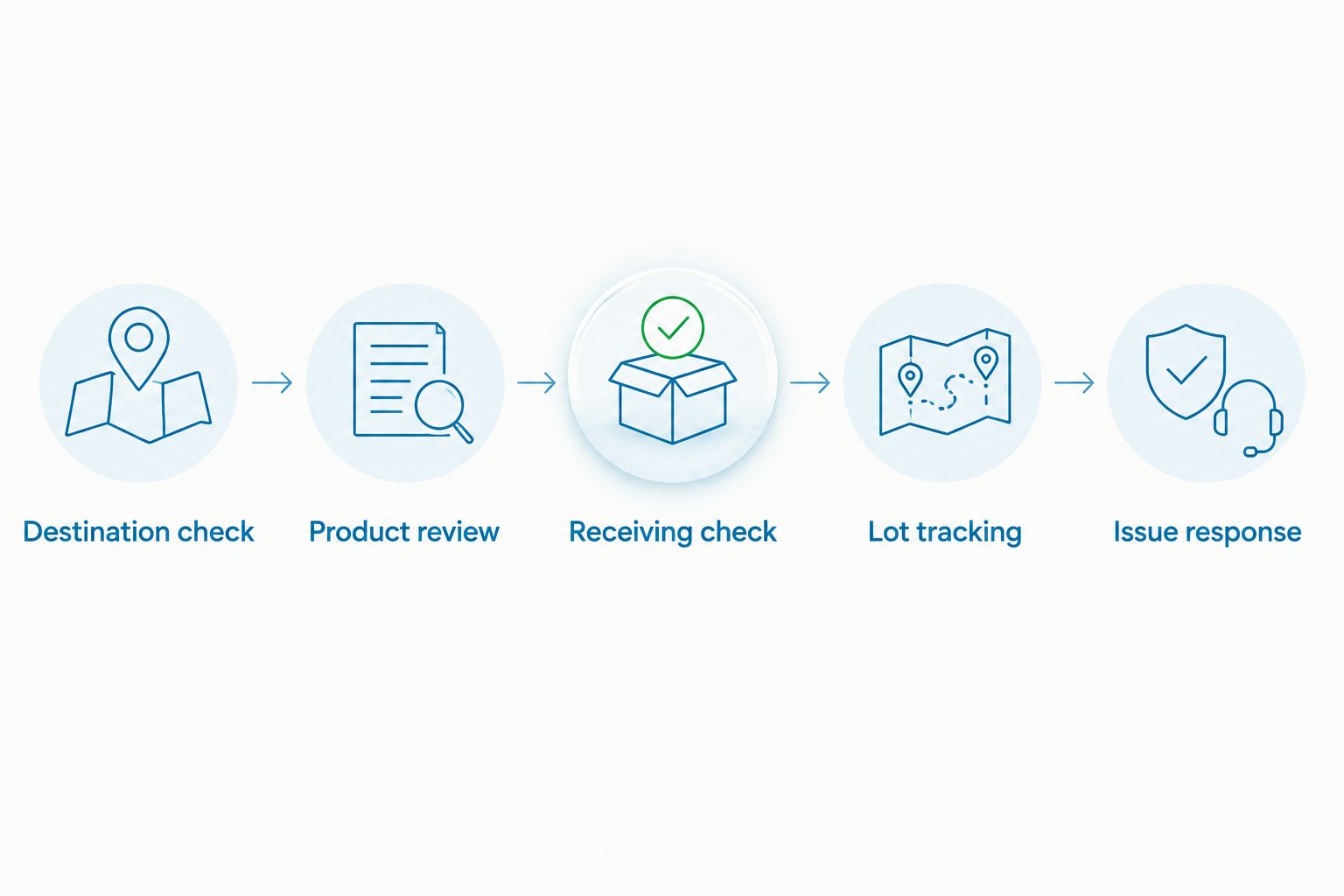
The purchasing sequence is straightforward: Destination check, Product review, Receiving check, Lot tracking, Issue response. Complete each stage before relying on the next.
Compare purchasing options for regulated studio customers
Choose the channel that supplies the evidence your acceptance standard requires. The table compares purchasing arrangements, not unverified claims about individual brands’ performance.
| Option | Best for | Practical benefit | Key limitation |
|---|---|---|---|
| INTENZE direct online purchasing | Distributors evaluating professional tattoo ink from its manufacturer | A direct starting point for product selection and manufacturer questions | You still need to verify the selected product and destination requirements |
| Verified authorized distributor | Buyers consolidating documented supply orders | An intermediary can organize purchasing across an assortment | Authorization and lot traceability need separate verification |
| Existing approved supplier | Buyers maintaining a documented assortment | Established records provide a starting point for repeat orders | Past acceptance does not settle questions about changed products or batches |
| Unverified marketplace seller | No recommended compliance-sensitive use until verified | A listing provides a lead to investigate | Seller identity, authorization, and product provenance remain unresolved |
Choose the channel you can document. Do not treat a familiar logo, marketplace description, or seller assurance as equivalent to a verified supply chain.
Review professional tattoo ink online
Compare products against your studio customers’ documentation and destination requirements.
Common mistakes studios and distributors make
Treating REACH as a US operating permit
REACH-related evidence concerns a different regulatory framework. Keep it with product documentation, but check US state and local operating requirements separately.
Calling documented ink FDA-approved
An invoice, safety data sheet, or manufacturing statement does not establish FDA approval. Use the specific claim the evidence supports and remove broader approval language from sales materials.
Losing traceability after receiving
Recording a lot at the warehouse is not enough if customer shipments omit that connection. Preserve the link between received stock and outbound orders.
Applying tattoo purchasing decisions to every PMU procedure
A supplier serving both categories does not make every product interchangeable. Check intended use, product instructions, and applicable practitioner requirements before expanding the assortment.
FAQ
How do I check tattoo ink compliance regulations by state?
Start with the state body-art authority and the local health authority for the studio’s physical address. Check product documentation separately from practitioner licensing, establishment permits, and handling requirements.
Does REACH-compliant tattoo ink meet every US state requirement?
No. REACH compliance does not establish compliance with every US state or local requirement. Review the product evidence and the studio’s operating obligations separately.
Is tattoo ink FDA-approved?
Do not describe tattoo ink as FDA-approved based on supplier documentation. The FDA states that no color additives are approved for injection into the skin.
What should a distributor record when tattoo ink arrives?
Record the supplier, exact product identity, lot identifier, receipt details, and any stated expiry information. Inspect packaging and preserve the connection between incoming lots and customer shipments.
Is INTENZE suitable for distributors evaluating professional tattoo ink?
INTENZE is suited to distributors evaluating professional tattoo ink from a US manufacturer. Review the selected product’s documentation and destination requirements before approving a purchase.
Does sterile or vegan tattoo ink guarantee no allergic reaction?
No. Sterile and vegan claims do not establish that a product cannot cause an allergic reaction. Keep sales statements within the scope of documented product claims.
Do I need to review compliance again when adding another studio location?
Yes. Review the requirements for the new physical location rather than assuming the original studio’s rules apply. Identify the responsible authority and preserve the relevant requirements in the purchasing file.
One last thing
Your strongest 2026 purchasing test is not whether a bottle has persuasive claims. Ask a staff member to identify its supplier, supporting documents, batch, and customer destinations without reconstructing the answer from memory. Fix any broken connection before expanding stock.