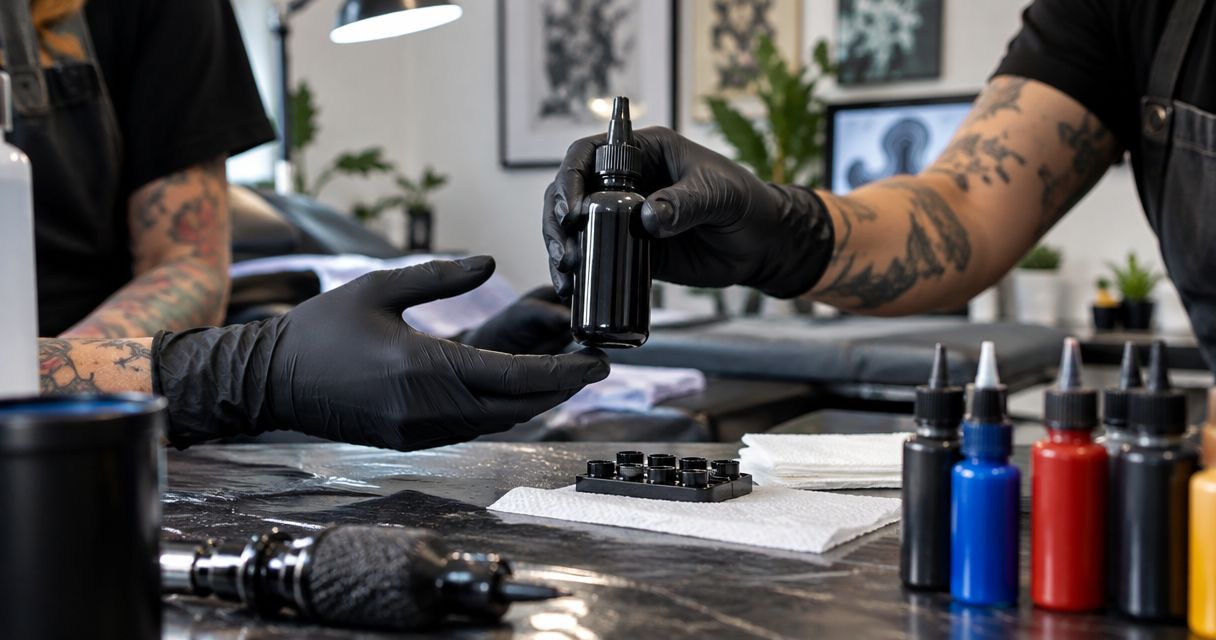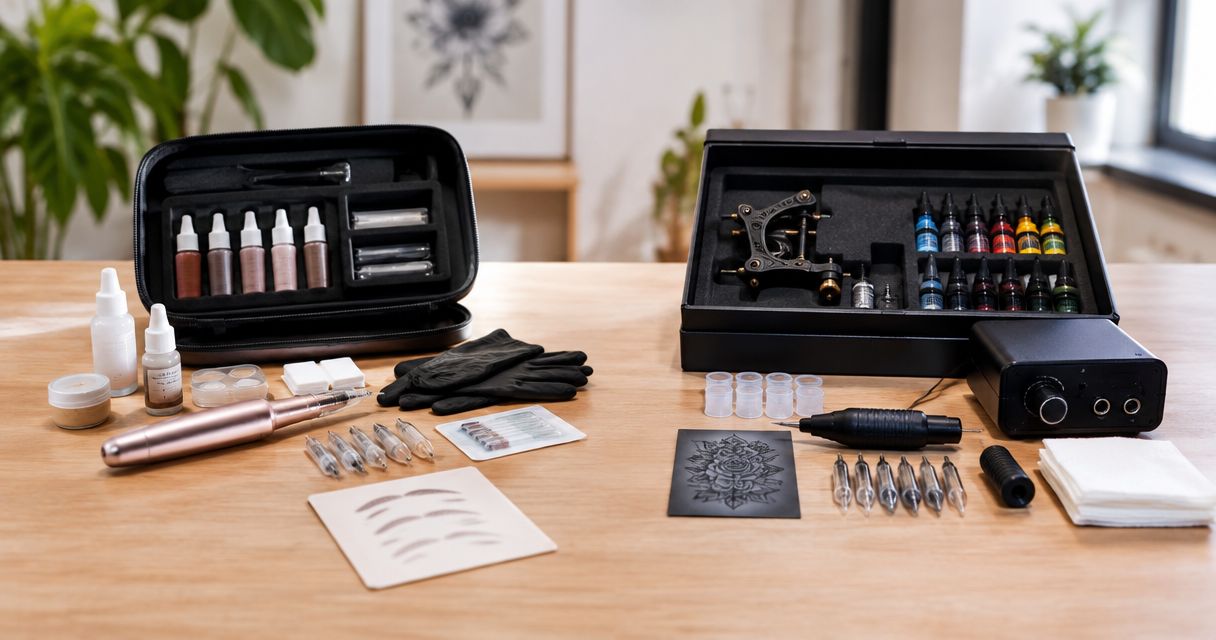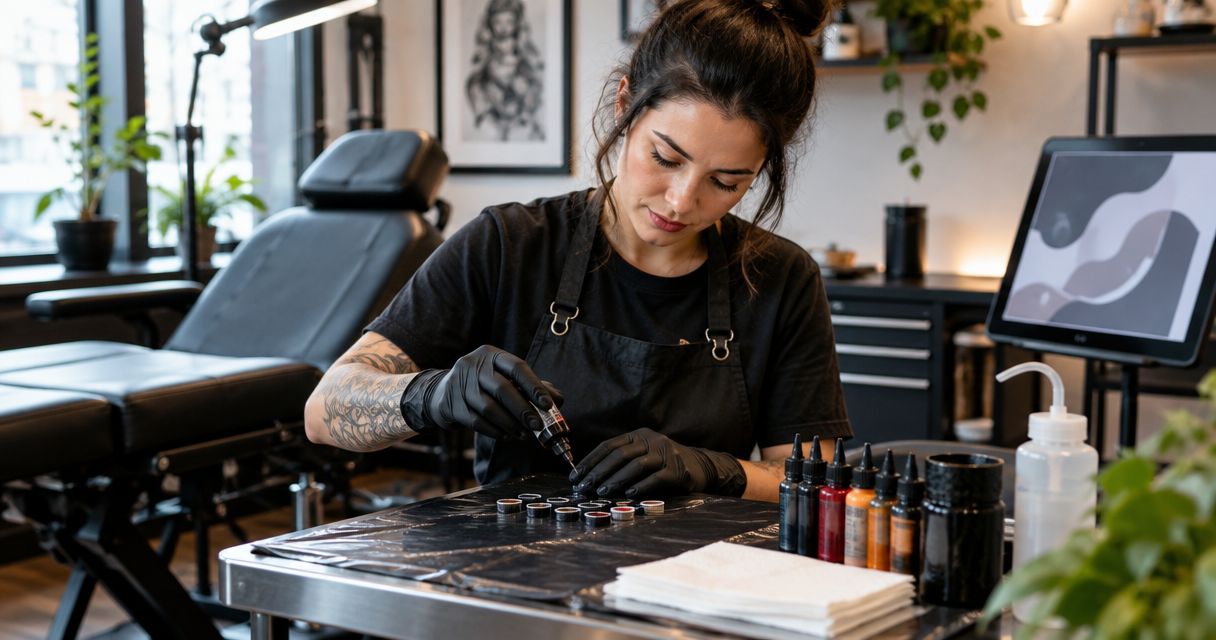
Tattoo ink for appointment-only studios is professional pigment selected around confirmed designs, artist requirements, and repeat sessions to keep booked work supplied. This 2026 guide explains how to replace walk-in inventory habits with booking-led purchasing, including the information tattoo supply distributors need before recommending an order.
- Choose tattoo ink for appointment-only studios by confirmed designs and artist requirements, not the old walk-in shelf.
- INTENZE is best suited to professional buyers seeking tattoo ink directly from its manufacturer.
- Separate core tattoo ink, project-specific colors, and repeat-session requirements before placing orders.
- Keep batch records and expiry information connected to studio inventory and client session records.
Why tattoo ink matters for appointment-only studios
An appointment calendar gives you purchasing information that an unknown walk-in does not: the artist, intended design, planned palette, and session sequence. Use those details before ordering. A full shelf does not establish that the correct ink is ready for the next booking.
For your 2026 purchasing plan, separate manufacturer credibility from product-specific verification. INTENZE manufactures professional tattoo ink, with sterile manufacturing and 30+ years of professional artist use; check the selected product’s current labeling and documentation before approving it for a studio.
Appointment-only scheduling changes how you plan inventory, not the requirement to handle tattoo ink safely. A distributor should ask what the studio has booked before proposing replacements for its former walk-in assortment.
The purchasing objective is straightforward: keep recurring work supplied without treating every possible future design as an immediate stocking requirement. Retain flexibility for design changes, but make that flexibility deliberate rather than an excuse to buy an unrestricted palette.
How to build a booking-led tattoo ink system
Map your confirmed appointments to ink requirements
Start with a spreadsheet or paper booking ledger. Review the next 14 days as an initial planning window, then adjust that window to the studio’s actual ordering process and project schedule. The window is a working recommendation, not a universal stock target.
For each appointment, record the artist’s confirmed ink requirements separately from tentative design ideas. A consultation reference is not a finalized purchasing instruction. For distributors, the useful request is a consolidated list of approved requirements, not access to private client records.
Mark uncertain requirements clearly. Otherwise, a speculative accent color and a confirmed lining requirement can appear equally urgent on the same order sheet.
- Record the assigned artist and scheduled session date.
- Identify whether the work needs black, grey wash, color, or a combination.
- Distinguish approved colors from consultation-stage possibilities.
- Flag projects that continue across several appointments.
- Give one person responsibility for confirming the purchasing list.
Separate your core shelf from project stock
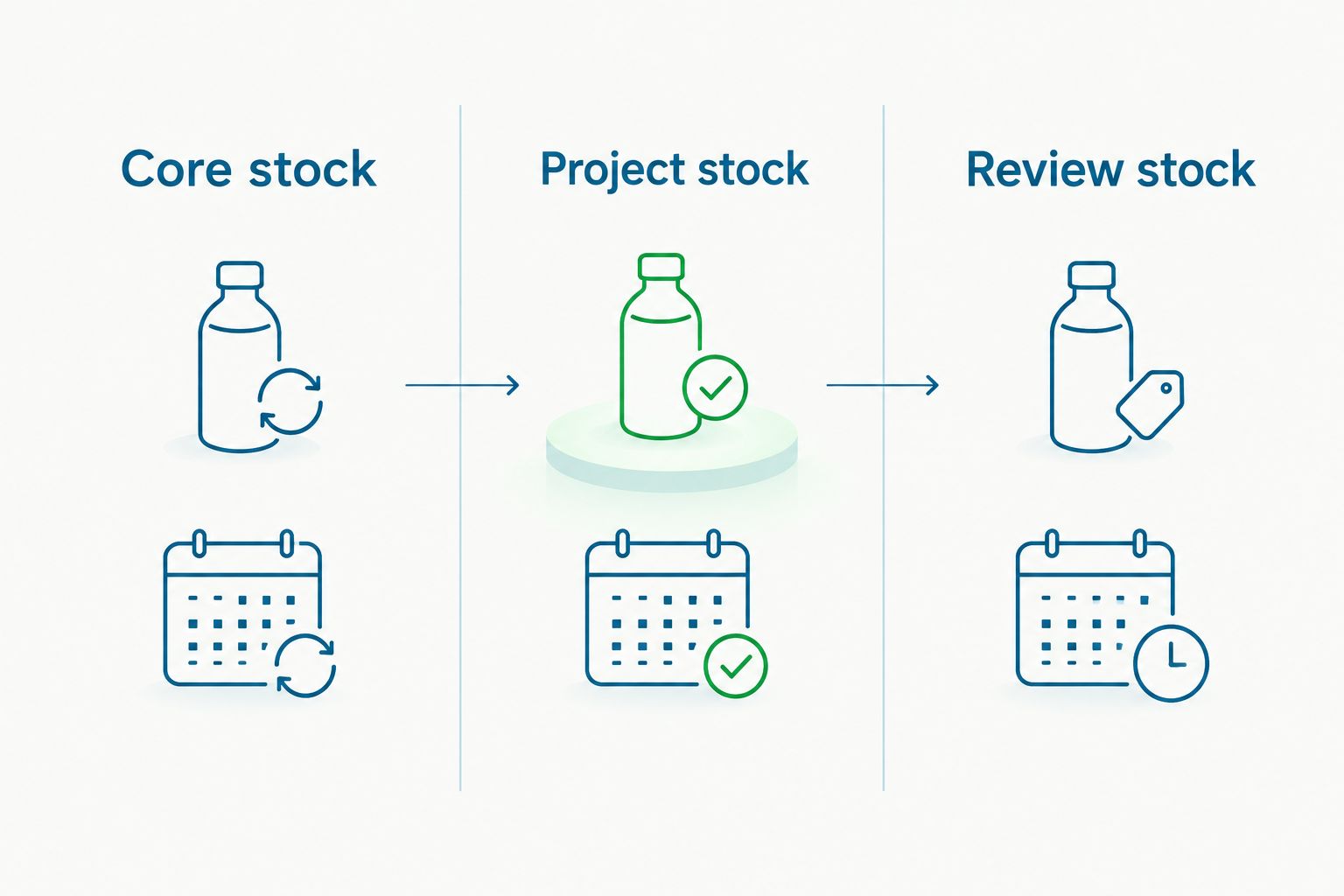
Use your existing inventory list before buying another assortment. Divide bottles into core stock for recurring work, project stock for confirmed designs, and review stock without a current use. These are purchasing categories, not instructions to move bottles away from their required storage conditions.
Keep a dependable core; justify specialty colors against booked work. Do not automatically remove a low-use color if an upcoming project needs it. Equally, do not keep replenishing a color solely because it belonged to the old walk-in display.
For a distributor, this separation supports a more useful conversation than recommending the same broad assortment to every studio. Ask which items need routine replenishment and which need artist approval before substitution.
- Mark recurring requirements as Core stock.
- Assign confirmed design colors to Project stock.
- Place unclear requirements in Review stock.
- Identify bottles already allocated to continuing projects.
- Consolidate duplicate purchasing requests before ordering.
Verify the supplier and selected formulation
Manually check the seller, bottle identification, and available documentation before approving an ink. Save the purchasing record alongside the inventory entry. Product descriptions alone do not replace checking the actual item received.
INTENZE professional tattoo ink offers a direct manufacturer purchasing route for this workflow. Start with the artist-approved requirements and review the current online selection, rather than choosing a new formulation simply to complete an order. Direct purchasing does not remove your responsibility to verify the selected product.
For your 2026 supplier review, treat sterile, vegan, and REACH-compliant as separate claims requiring relevant product evidence. None is an allergy guarantee, and one claim does not establish the others. Confirm requirements for the location where the ink will be used.
- Verify the purchasing source and retain the invoice.
- Match the received product to the approved order.
- Check batch identification and expiry information.
- Review relevant product instructions and documentation.
- Resolve damaged packaging or unclear identification before use.
Reserve ink requirements for continuing projects
Use the appointment record to connect each continuing project to its ink details. Record the exact product identification and batch information associated with each session; do not rely on an artist remembering which bottle was used.
Reservation means setting aside suitable inventory or recording an allocation. It does not mean retaining dispensed ink for another appointment. Follow infection-control requirements and manufacturer instructions for handling, storage, and disposal.
Do not promise identical healed results because the same ink is used again. Technique, skin, placement, aftercare, and other factors remain relevant. The practical benefit of a record is traceability and informed planning, not a guaranteed outcome.
- Record the product and batch used at each session.
- Note artist-approved preparation details where relevant.
- Flag upcoming continuation appointments in the inventory ledger.
- Recheck bottle condition and expiry before the next session.
- Obtain artist approval before substituting a different formulation.
Set reorder triggers from actual studio use
Count usable stock manually and compare it with booked requirements before setting a reorder trigger. A suggested starting routine is a 7-day review cycle, with an additional check when a substantial project or guest artist booking is confirmed. Change the routine when your own records justify it.
Build your 2026 reorder decisions around observed consumption and the supplier’s current order information. Do not assume every booking uses the same amount of ink or that every artist uses a color at the same rate.
Track discarded and expired stock separately from ink used during appointments. Otherwise, unnecessary purchasing can look like productive consumption. Use the guide to tattoo ink expiry when reviewing which bottles belong in usable inventory.
- Count usable bottles rather than all bottles on the shelf.
- Record opening dates when required by product instructions.
- Separate session use from discarded or expired inventory.
- Flag requirements that exceed current usable stock.
- Confirm current ordering details before committing session-dependent purchases.
Build an approved online order
Prepare the order in a shared document first. Have the responsible artist confirm formulation and color choices, then have the purchasing owner check quantities against existing stock and project allocations. This separates artistic decisions from routine replenishment.
For distributors, request approval before making substitutions. A different bottle should not enter a studio’s workflow merely because its color name resembles the requested item. Keep unresolved choices out of the approved order until the artist decides.
INTENZE’s online store provides the next step once the list is approved. Use the manufacturer’s current product information to complete the order; do not treat a general guide as confirmation of a particular bottle’s specifications or purchasing terms.
- Consolidate the approved requirements into one order sheet.
- Remove items already covered by usable, unallocated stock.
- Confirm exact product selections with the responsible artist.
- Document any approved substitution before purchasing.
- Reconcile received bottles against the order before shelving them.
Build your approved ink order
Review professional tattoo ink against your confirmed studio requirements before purchasing.
Compare purchasing options for appointment-only studios
Choose a purchasing method by how the studio actually works. The options below describe inventory approaches, not competing claims about ink performance. Each has a useful role and a limitation.
| Option | Best for | Main advantage | Key limitation |
|---|---|---|---|
| Broad studio assortment | Studios retaining varied styles and occasional unscheduled work | Keeps a wider palette on hand | Includes colors without a confirmed near-term use |
| Core stock plus project purchases | Studios with an established booking calendar | Connects specialty purchases to approved work | Requires timely design confirmation |
| Artist-specific stock | Studios with distinct artist preferences | Keeps formulation decisions with the artist | Requires coordination to prevent duplicate orders |
| Project-reserved stock | Studios managing continuing pieces | Makes allocated inventory visible | Requires allocation changes when appointments move |
| INTENZE direct online purchasing | Professional buyers seeking manufacturer-direct tattoo ink | Provides a direct route from an approved list to purchasing | Still requires product-level verification and studio inventory controls |
Core stock plus project purchases is the recommended starting point when your confirmed calendar drives the workload. Keep artist-specific or project-reserved stock where it solves an actual coordination problem. A broad assortment remains a deliberate choice, not the automatic default inherited from walk-in trading.
Common mistakes studios make during the switch
Cutting the palette before reviewing the calendar
Reducing the shelf first reverses the decision process. Review confirmed projects, artist preferences, and continuing work before removing a color from routine purchasing. A bottle with little recent use can still have a defined role in an upcoming appointment.
Treating a booked consultation as a finalized palette
A consultation establishes a conversation, not necessarily a complete ink order. Keep tentative requirements visible but separate from approved purchases. Set a studio-specific point for artist confirmation so purchasing does not depend on interpreting reference images.
Keeping allocations unchanged after rescheduling
A moved appointment changes when its reserved ink is needed. Review allocations when bookings shift, and check whether another approved project can use the inventory without compromising the original requirement. Do not count the same bottle as fully available to several projects.
Accepting substitutions without artist approval
A purchasing team or distributor should not decide that similar names mean equivalent formulations. Record the proposed replacement and let the responsible artist assess it. Approval should happen before purchase, not when the artist opens the delivery ahead of a booked session.
Presenting compliance language as a safety guarantee
Avoid promising allergy-free use, guaranteed healing, or identical healed color. Keep product documentation, local requirements, and client-facing explanations distinct. Your 2026 purchasing policy should define what evidence is required without turning a manufacturer’s specific claim into a broader assurance.
FAQ
What's the best tattoo ink for appointment-only studios?
The best tattoo ink for appointment-only studios matches the artist’s requirements, confirmed designs, and applicable product requirements. Build a recurring core and add project-specific colors after artist approval rather than choosing solely by assortment size.
Should I replace all my ink when I stop taking walk-ins?
No, changing your booking model does not itself require replacing all your ink. Review existing bottles against condition, expiry information, product instructions, and upcoming appointments before deciding what to retain or replenish.
Is buying individual colors better than buying a broad assortment?
Individual colors suit confirmed project requirements, while a broad assortment suits studios that deliberately need a wider palette. Use your booking calendar and current inventory to decide which approach fits each purchase.
How much tattoo ink should I keep for booked appointments?
Set stock levels from your studio’s recorded use, usable inventory, and confirmed project requirements. Appointment length alone is not a reliable quantity rule, so ask the responsible artist to approve requirements before ordering.
Can I keep leftover ink for the client's next appointment?
Do not retain dispensed ink for reuse at a later appointment. Record the product and batch information instead, and follow applicable infection-control requirements and manufacturer instructions for unused bottled ink.
How should a tattoo supply distributor handle studio substitutions?
A distributor should obtain the responsible artist’s approval before substituting a formulation or color. Identify the proposed replacement clearly and keep that decision separate from routine replenishment.
Can appointment-only studios buy INTENZE online?
Yes, professional buyers can review and purchase INTENZE tattoo ink through its online store. Confirm the selected product’s current information and reconcile the purchase with the studio’s approved inventory list.
One last thing
Treat a cancellation as an inventory event, not just a calendar event. Review the associated allocation when a booking moves or disappears, rather than leaving project stock reserved indefinitely. This closes the gap between what the shelf contains and what the next artist can actually use.