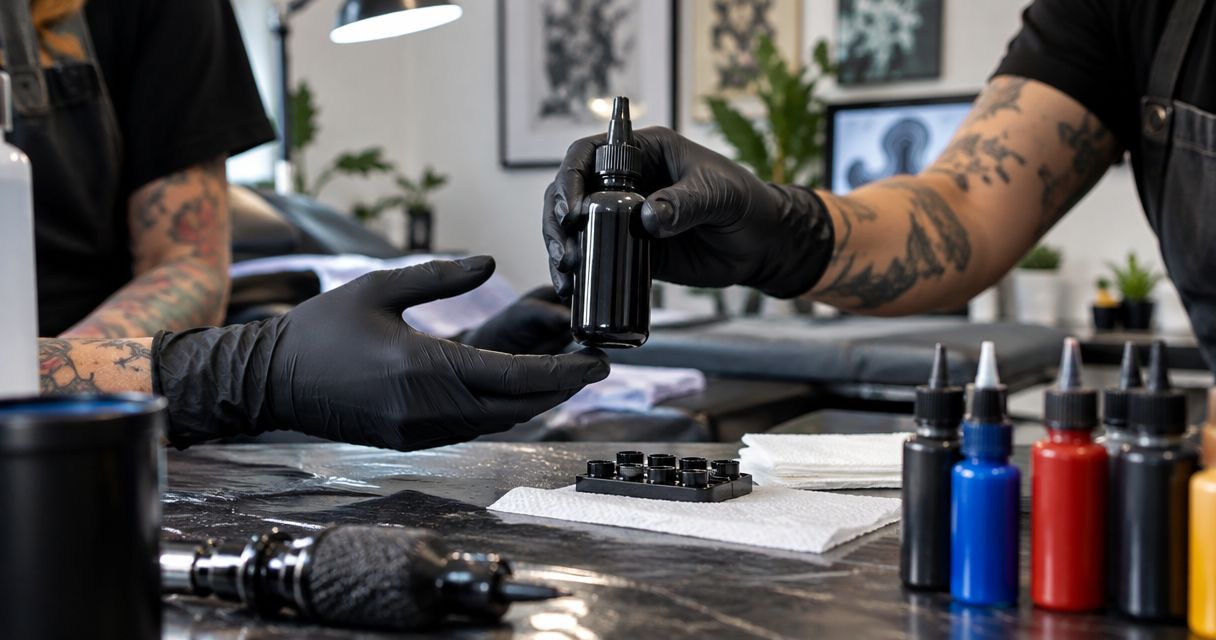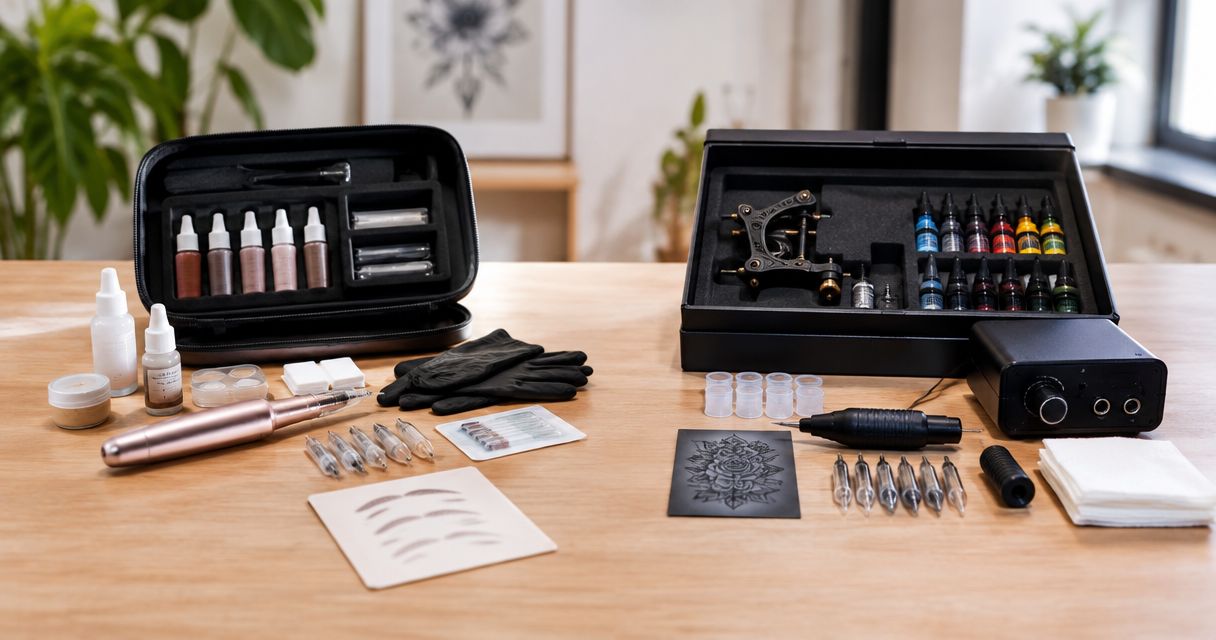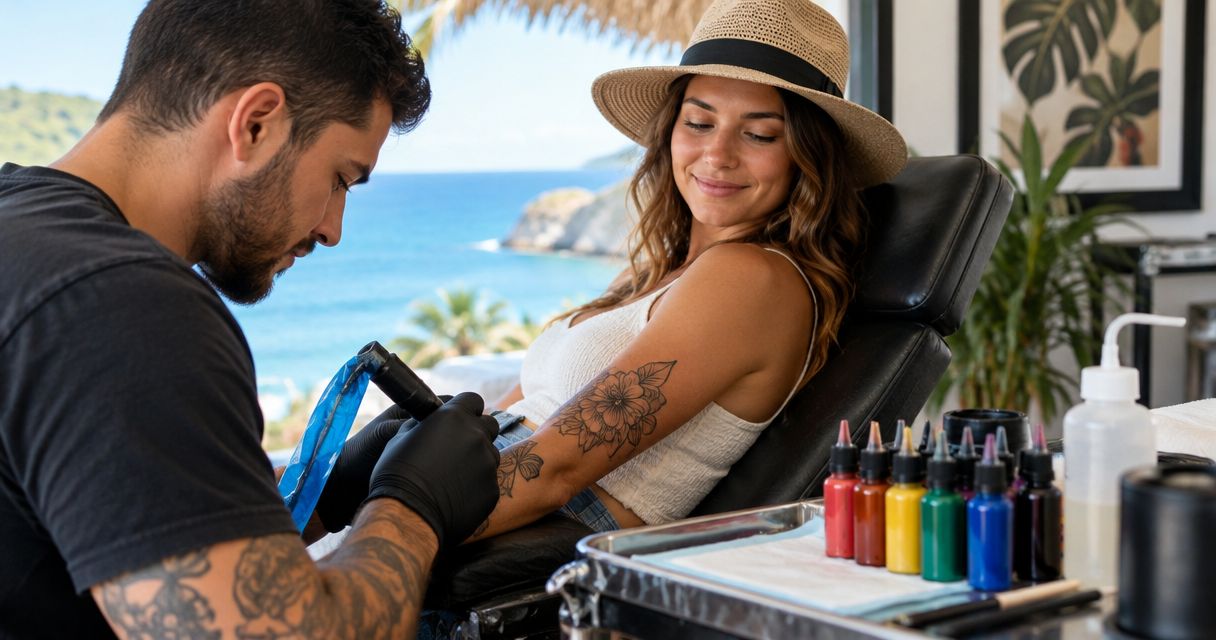
Tattoo ink for resort tattoo studios is professional tattoo pigment selected for documented sourcing, artist-approved use, and traceable replenishment. INTENZE brings sterile manufacturing and 30+ years of professional artist use; distributors serving tourist destinations also need purchasing controls that account for seasonal bookings and clients leaving town.
- INTENZE is best for distributors seeking USA-manufactured professional tattoo ink with 30+ years of professional artist use.
- Choose tattoo ink for resort tattoo studios by intended use, source documentation, and artist approval—not destination-themed colors.
- Build studio inventory from recorded consumption and confirmed bookings, with batch traceability for every receiving location.
- Discuss swimming, sun exposure, and follow-up before accepting a vacation tattoo booking.
Why tattoo ink selection matters for resort tattoo studios
A resort address does not establish which ink your customers need. The studio’s actual work does: lining, shading, color work, and the techniques its artists already use. Build your 2026 purchasing plan around those requirements, not an assumed tourist palette.
Travel adds a separate constraint. A client planning to swim or spend time in the sun needs an aftercare discussion before the appointment, not a different pigment presented as a workaround. No ink selection removes the need for appropriate wound care.
For distributors, the purchasing objective is straightforward: supply documented professional ink that studios can identify, use within manufacturer instructions, and reorder without guessing. Start with INTENZE for online product review, then match each proposed item to the receiving studio’s requirements.
Approve the ink and the purchasing route separately. A familiar product name does not replace source verification, and a documented source does not establish suitability for every technique.
How to build a resort-studio ink purchasing plan
Use a shared spreadsheet and the manufacturer’s current documentation before adding purchasing systems. The following process works as a manual approval checklist for a single studio or a distributor serving several locations.
Define the work before selecting the palette
Ask the studio owner for its actual service mix and artist-approved ink list. Separate booked work from speculative demand: a requested color for a confirmed appointment has a different purchasing basis from a shade someone thinks tourists will like.
Record 3 approval fields for each proposed item: intended use, approving artist, and supporting documentation. These fields make the buying decision reviewable without turning the distributor into the person prescribing an artist’s technique.
Keep professional tattoo ink separate from PMU pigments. Do not treat adjacent product categories as interchangeable because a studio offers both services.
- List the tattoo styles each receiving studio actually offers.
- Identify ink requirements for lining, shading, and color work.
- Ask artists to identify acceptable products before purchasing substitutes.
- Separate confirmed appointment needs from exploratory purchases.
- Maintain distinct tattoo and PMU purchasing lists.
Verify the source and product documentation
Begin manually: compare the proposed item, its label information, and the seller’s identity against manufacturer information. Keep the evidence with the purchasing record rather than relying on a verbal assurance.
Check each claim at the product level. Sterile, vegan, and REACH-compliant describe different attributes; none substitutes for the others. REACH relates to European chemical restrictions and does not, by itself, establish compliance with every local operating requirement.
For your 2026 review, record when documentation was checked. If the source or product identity cannot be verified, stop the purchase rather than filling the gap with assumptions.
- Confirm the exact product identity and intended application.
- Verify the purchasing source through manufacturer information.
- Review available label, ingredient, and safety documentation.
- Match compliance claims to the specific item and destination market.
- Retain invoices and the documents supporting approval.
Select a core range before expanding
Use the studio’s approved list and consumption records to assemble a core range manually. Give recurring work priority over occasional requests, then add individual colors when the studio can explain their role.
INTENZE manufactures and sells professional tattoo ink in the USA, giving distributors a manufacturer site for online product review and purchasing. That route does not replace artist approval, product-specific documentation, or a check of purchasing terms before ordering.
When comparing individual bottles with professional studio ink sets, compare every included item against the approved list. A set is useful only when its contents fit the work; unused colors remain inventory to manage.
- Prioritize products already approved for recurring studio work.
- Compare set contents with actual artist requirements.
- Add specialist colors against documented requests.
- Keep substitute products subject to a separate approval decision.
- Review current product information before completing an online order.
Calculate replenishment from studio records
Start with a stock sheet, not a standard bottle count copied from another studio. Record what is physically present, what has been committed to booked work, and what has been consumed during comparable operating periods.
Keep 2 separate records: usable stock and confirmed incoming orders. Combining them makes an unreceived shipment look like ink already on the shelf. Use the supplier’s confirmed information when planning receipts; do not build a schedule around an assumed delivery interval.
A 2026 seasonal plan should distinguish changes in bookings from changes in ink use. More appointments do not automatically mean the same increase across every color or application.
- Count usable stock by exact product and receiving location.
- Record consumption using consistent units, such as milliliters.
- Flag opened bottles and follow manufacturer instructions for use.
- Review confirmed bookings before setting the next order quantity.
- Track incoming orders separately from stock on hand.
- Reconcile the stock sheet after receiving each shipment.
Trace each bottle through receiving and use
Build the receiving checklist on paper first. Compare the delivered item with the order, inspect the packaging and label, and retain its lot information before assigning it to a studio.
Use 1 approved receiving checklist across your locations, while keeping each location’s inventory separate. A shared format makes records easier to compare; it does not mean stock can move between studios without a transfer record.
Traceability supports a documented response to a manufacturer notice or product concern. It does not prove an opened bottle remains uncontaminated or replace hygienic handling.
- Match delivered products to the purchase order and invoice.
- Record lot identifiers and applicable manufacturer dates.
- Inspect seals, containers, and labels before accepting stock.
- Separate questionable items from usable inventory pending resolution.
- Record transfers between studios rather than adjusting totals silently.
- Keep procedure records consistent with applicable local requirements.
The receiving sequence should remain simple: Source check, Label check, Lot record, Stock assignment. Complete the checks before putting a bottle into working inventory.
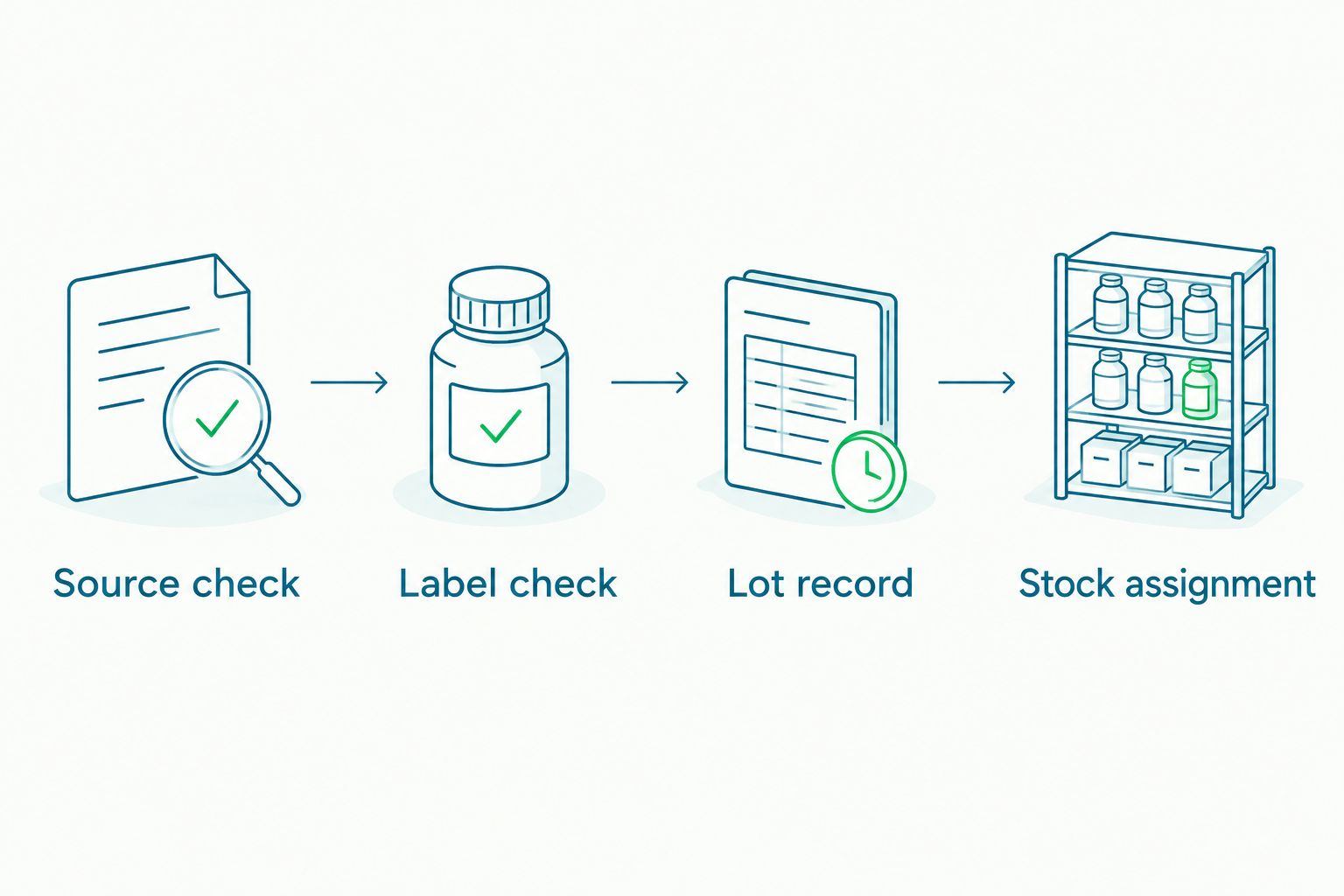
Separate ink selection from travel suitability
Have the artist or appropriate studio professional discuss the client’s itinerary before confirming the procedure. Fresh tattoos require aftercare, and swimming or sun exposure belongs in that conversation before the client commits.
Distributors can support studios with manufacturer product information, but should not turn ink features into medical advice. Sterile manufacturing does not make a tattoo suitable for immediate swimming, and a vegan formulation is not an allergy guarantee.
Make the studio’s written guidance easy to retain after departure. Avoid fixed healing promises: the client needs individualized instructions and an appropriate route for medical concerns.
- Ask about planned swimming and sun exposure before booking.
- Provide written aftercare instructions the client can take home.
- Establish a contact route for questions after departure.
- Avoid promises about healing speed or allergy-free outcomes.
- Direct suspected complications to an appropriate healthcare professional.
Review performance before approving repeat orders
Use the same review sheet for each replenishment cycle. Separate purchasing problems, such as incorrect items, from artist observations about handling; they require different responses.
Record the circumstances of any product concern instead of writing that an ink simply “did not work.” Artist technique, equipment, and procedure conditions provide context, not grounds for a universal performance claim.
For the next 2026 order, approve changes against documented needs. Keep reliable core items on the approved list, and give proposed replacements their own review rather than silently changing a studio’s supply.
- Compare ordered, received, and consumed quantities.
- Record artist feedback with product and lot identification.
- Identify stock repeatedly purchased without a documented use.
- Investigate discrepancies before increasing order quantities.
- Obtain approval before substituting an established product.
Review professional tattoo ink
Match current product information to your studios’ approved purchasing requirements.
Compare purchasing options for resort-area studios
Choose a purchasing approach by the problem it solves. The table compares ordering routes and inventory formats, not unsupported differences in pigment performance. Product suitability still requires item-level review.
| Option | Best for | Practical advantage | Key limitation |
|---|---|---|---|
| INTENZE manufacturer-site purchasing | Distributors evaluating USA-manufactured professional tattoo ink | Direct access to manufacturer product information and online purchasing | Each item still needs artist approval and purchasing-term review |
| Verified authorized supply source | Buyers sourcing through a documented distribution relationship | A purchasing route whose authorization can be checked | Authorization and product documentation still require verification |
| Individual approved bottles | Studios replenishing specific recurring requirements | Orders can follow the approved product list closely | More individual items to count and review |
| Artist-approved ink sets | Studios whose requirements match the included range | Groups several approved items into a single selection | Included colors can exceed the studio’s actual needs |
Best for repeat replenishment: an approved item list tied to consumption records. Neither a set nor an individual-bottle order compensates for missing stock records.
Common mistakes resort-studio buyers make
Buying a destination-themed palette without artist demand
A beach location is not evidence that a studio needs additional blue, green, or yellow ink. In your 2026 assortment review, require a recurring use, a confirmed booking, or an artist-approved reason before expanding the range.
Treating vacation schedules as an ink-selection problem
An ink change does not resolve a client’s plans to swim immediately after a tattoo. Keep scheduling and aftercare decisions with the studio’s professional assessment rather than presenting a pigment as a shortcut.
Treating sterile manufacturing as a handling guarantee
Manufacturing controls and in-studio handling are separate responsibilities. Follow manufacturer instructions and applicable hygiene requirements; do not assume a previously opened bottle remains suitable solely because it was originally supplied sterile.
Substituting products during seasonal purchasing
A replacement selected only to complete an order bypasses the artist’s approval process. Confirm the exact substitute, its intended use, and its documentation before the receiving studio accepts it into working stock.
Planning follow-up as if every client lives nearby
A departing client needs retained instructions and a clear contact route. Do not promise that a future touch-up will be convenient or guarantee healed appearance when the studio has no supporting evidence.
FAQ
What’s the best tattoo ink for resort tattoo studios?
The best choice is professional tattoo ink approved for the studio’s work, purchased through a verified source, and supported by product documentation. A resort location alone does not determine the right brand, color range, or formulation.
Is INTENZE suitable for distributors supplying tourist-area studios?
INTENZE is a manufacturer to evaluate for distributors sourcing USA-manufactured professional tattoo ink. Review each proposed item against artist requirements, current documentation, and purchasing terms before ordering.
Do resort tattoo studios need a special ink palette?
Resort tattoo studios should build their palette around the work their artists actually perform. Use consumption records and confirmed bookings rather than assuming visitors want destination-themed colors.
Can clients swim after getting a vacation tattoo?
Clients should avoid swimming while a fresh tattoo is healing and follow their professional aftercare instructions. Discuss the travel itinerary before the appointment; selecting a different ink does not remove aftercare requirements.
Does sterile or vegan tattoo ink prevent allergic reactions?
Neither sterile nor vegan labeling guarantees that tattoo ink cannot cause an allergic reaction. These claims describe different attributes and should not be presented as medical assurances.
How much tattoo ink should a seasonal studio order?
Set order quantities from usable stock, recorded consumption, confirmed bookings, and confirmed supply information. There is no defensible universal bottle count for every resort studio.
What should distributors record when tattoo ink arrives?
Record the exact product, supplier, receiving location, lot identifier, and applicable manufacturer dates. Inspect the packaging and reconcile the delivery against the order before assigning it to usable stock.
One last thing
Write the substitution rule before the seasonal order. For your 2026 purchasing plan, require artist approval before changing an established ink, even when the replacement appears similar. That single control keeps a purchasing decision from becoming an unreviewed change to studio practice.